


More news on this day
Summer storms sweeping across South Florida have triggered extensive disruption at Miami International Airport, with publicly available tracking data showing 304 flight delays across major airlines and widespread schedule knock-on effects throughout the U.S. network.
Get the latest news straight to your inbox!
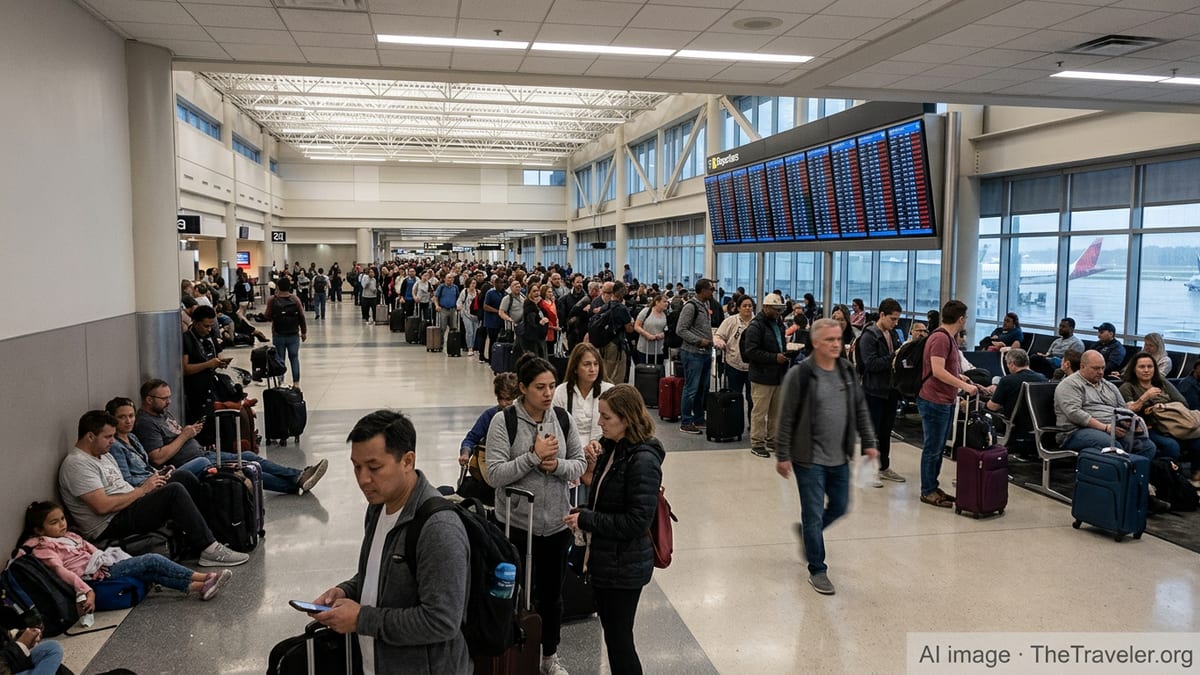
Thunderstorms Stall Operations at Key U.S. Gateway
Slow-moving thunderstorms built over Miami and the wider South Florida region on Friday, bringing intense downpours, lightning and low cloud ceilings that forced air traffic managers to restrict movements into and out of Miami International Airport. Published aviation data and airport tracking dashboards indicate that the combination of arrival and departure controls quickly translated into an elevated number of late flights.
According to real-time flight boards and independent aviation analytics platforms, delays at Miami climbed to 304 during the peak of the disruption, affecting a broad mix of domestic and international services. The figure reflects flights arriving or departing more than 15 minutes behind schedule, in line with the definition used by federal transportation statistics for a delayed operation.
Miami International is one of the country’s busiest international gateways and a primary hub for traffic between the United States, Latin America and the Caribbean. The concentration of banked departures and arrivals means that even short suspensions of ground movements during lightning or heavy rain can rapidly cascade into network-wide knock-on delays.
Weather-related slowdowns are a recurring challenge during the wet season in South Florida, when afternoon convection can prompt ground stops, taxi restrictions and airborne holding patterns across multiple airports in the region.
Major Airlines Hit as Delays Ripple Through Networks
Tracking services that aggregate performance across carriers show that the 304 delayed flights at Miami were spread across several large U.S. and international airlines. American Airlines, which operates a major hub at Miami International, accounted for a significant share of affected services, including high-frequency routes to New York, Dallas Fort Worth, Chicago and key Latin American cities.
Other large operators with disrupted schedules included Delta Air Lines and United Airlines on domestic and connecting flights, as well as carriers such as LATAM, Copa Airlines and European flag airlines on long haul services to South America and Europe. Previous operational reporting from industry outlets has highlighted how tightly scheduled international rotations at Miami can make it difficult for airlines to absorb local weather interruptions without wider timetable adjustments.
Network effects were visible on departure boards at other hubs as aircraft and crews scheduled to pass through Miami fell out of position. Delays on early morning departures from South Florida translated into late arrivals back into northern and midwestern cities, where afternoon and evening bank structures are designed around on-time inbound flows from the Southeast.
Low-cost and leisure-focused carriers also experienced delays on routes linking Miami with vacation destinations in the Caribbean and Mexico. Publicly available coverage of earlier disruption events has shown that these services can be particularly vulnerable when storms hit at the start of a busy travel weekend, leaving few spare aircraft or crew options available to recover the schedule quickly.
Passengers Face Long Lines, Missed Connections and Rebookings
Reports from airport information channels and social media posts from travelers described crowded terminals, long check-in and security lines, and heavy congestion at airline customer service desks as the storm-related delays mounted. With departure times repeatedly slipping, many passengers found their carefully timed connections through other hubs at risk.
At Miami, a sizable portion of traffic consists of connecting passengers heading onward to Latin America, the Caribbean and Europe. When thunderstorms slow operations, short connection windows can disappear, leaving travelers in need of overnight accommodation or complex rebookings across multiple partners and alliances.
Travel forums and prior coverage of similar events at Miami indicate that passengers often struggle to distinguish between weather-related disruptions and those linked to other operational issues such as crew availability or technical checks. That distinction can be important, because airlines generally have broader obligations for care and compensation when delays are caused by controllable factors rather than adverse weather.
With hundreds of flights departing and arriving each day, airport concession areas, lounges and seating zones tend to become crowded during extended disruptions, as travelers wait for new departure times and attempt to adjust ground transport and hotel reservations around revised schedules.
How Storm Delays Build at Miami International
Miami International’s role as a dense hub helps maximize connectivity but also sharpens the impact of weather events. Aviation statistics compiled over recent months show that nearly one in three departures from the airport has arrived at its destination at least 15 minutes late, underscoring how susceptible the operation is to short-term disruptions.
When thunderstorms move into the area, air traffic controllers typically reduce arrival rates and departure intervals to maintain safety in reduced visibility and turbulent conditions. Lightning in close proximity to the airfield can also prompt temporary suspensions of ramp activity, halting refueling, baggage loading and aircraft pushbacks until conditions improve. Each pause pushes aircraft further from their scheduled departure slots and can force inbound flights into holding patterns or diversions.
Once the most intense weather cells pass, the airport and airlines face the complex task of clearing departure backlogs, sequencing late inbound aircraft, and assigning limited gate space. High utilization of runways and gates during peak travel periods leaves little buffer, so it can take many hours for operations to normalize even after skies begin to clear.
Regulatory requirements on tarmac delays and passenger welfare also influence how disruptions are managed. Publicly available airport contingency plans emphasize the need for airlines to coordinate gate returns, deplaning and service provision when aircraft are held for extended periods during weather events.
What Travelers Can Do When Storms Hit South Florida
Industry advisories and consumer travel guidance consistently recommend that passengers build extra time into itineraries when flying through South Florida during the peak storm season. Morning departures are often considered less vulnerable to convective weather, although early bank delays can still cascade when overnight storms linger into the start of the operating day.
Travel experts frequently suggest that passengers monitor their flight status through airline apps and independent tracking platforms, as these tools may show gate changes and revised departure estimates before information is widely displayed in the terminal. When severe storms are forecast, some airlines offer flexible rebooking policies that allow customers to move travel to earlier or later days without change fees.
For those with critical same-day connections or cruise departures, publicly available guidance encourages building wider connection windows or considering direct flights where possible, particularly during the height of the summer storm period. Travel insurance with trip interruption coverage can also help offset additional hotel, meal and transport costs when severe weather derails plans.
Despite ongoing investments in infrastructure and technology, Miami International’s latest storm-related disruption underscores the limits of aviation scheduling in the face of intense and unpredictable weather. As climate variability shapes more frequent and severe convective events across the Southeast, travel analysts expect that passengers using key hubs in Florida will need to factor a higher risk of delays into their planning.