


More news on this day
Severe summer thunderstorms over Zurich on Friday, August 28, prompted SWISS to cancel 27 flights to and from Zurich Airport, disrupting travel plans for hundreds of passengers and adding fresh pressure to an already busy late‑August travel period.
Get the latest news straight to your inbox!
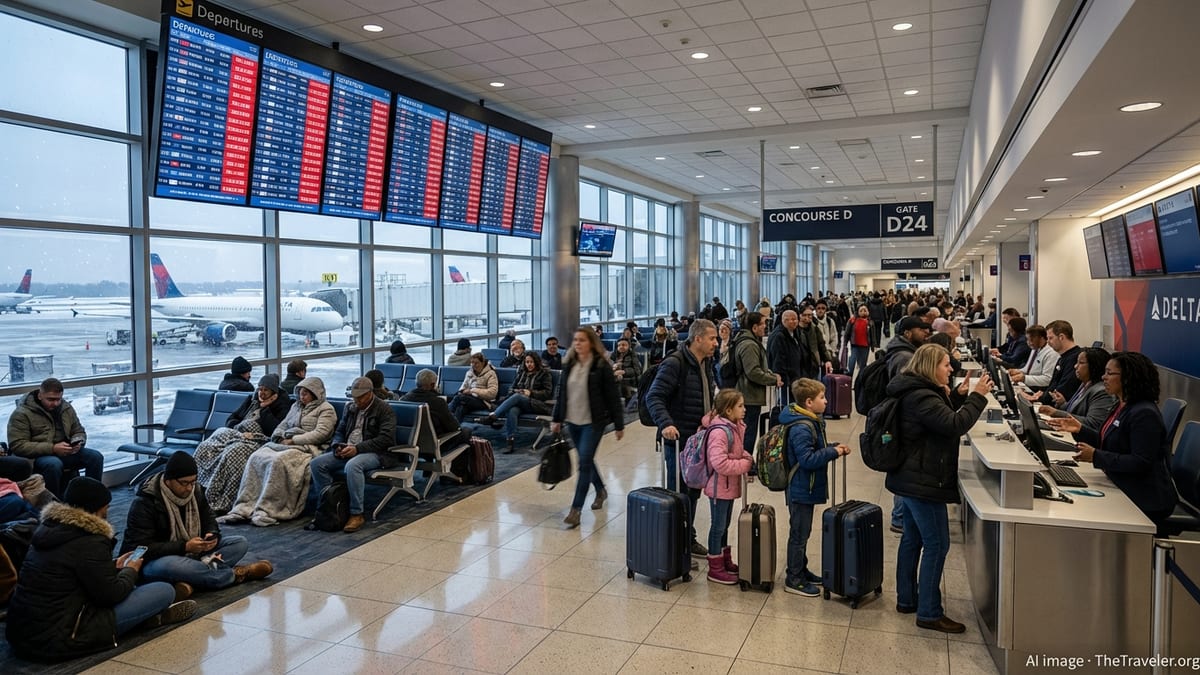
Storms Disrupt Midday Operations at Key European Hub
According to published coverage, the violent storm system moved across the Zurich region around midday, bringing intense lightning, heavy rain and unstable conditions in the vicinity of Switzerland’s largest airport. By early afternoon, SWISS had canceled 27 arrivals and departures at Zurich Airport, with further cancellations and delays considered likely as weather cells continued to pass through the area.
Media reports indicate that several of the affected flights were short-haul European services, which are particularly vulnerable to knock-on effects from even short suspensions of ground or air operations. Zurich Airport functions as the primary hub for SWISS and an important connecting point in Central Europe, so even a relatively limited number of cancellations can ripple through the schedule for the rest of the day.
Airport-focused outlets in Switzerland describe a challenging operating window, with lightning activity close to the airfield triggering safety-related pauses in ground handling. When lightning is detected near ramp areas, ground crews are often required to halt refueling, baggage loading and aircraft pushback until conditions improve, making it difficult to keep flights operating on time.
Reports from Swiss media also note that the cancellations came at a moment when late-summer demand remains strong, with many travelers returning from holidays or beginning weekend trips. This seasonal pressure has already stretched capacity at many European airports, leaving little margin to recover from sudden weather disruptions.
Passengers Face Cancellations, Diversions and Long Delays
Publicly available information from local news outlets shows that passengers at Zurich Airport encountered a mix of outright cancellations, significant delays and diversions to alternate airports as the storm passed. Some flights that were already en route to Zurich were rerouted to other European airports when conditions temporarily made landings more complex.
Travelers on affected flights were generally rebooked on later services where possible, but the midday timing and busy Friday schedule limited the number of available seats. Some passengers reportedly faced overnight stays or extended layovers as airlines and handling partners worked through the backlog.
Reports also suggest that many travelers experienced congestion at service desks and longer queues at information counters. With ground operations intermittently paused for safety reasons, aircraft turnaround times increased, contributing to further delays for flights that were still operating.
While the number of canceled flights remained limited compared to Zurich’s total daily movements, the impact for individual passengers could be significant, especially for those with tight connections or time-sensitive itineraries. Travel media coverage highlights how vulnerable complex, multi-leg journeys can be when a hub airport experiences even a few hours of weather-related disruption.
Why Thunderstorms Hit Airport Operations So Hard
SWISS has published background information in its own communications explaining how convective weather such as thunderstorms can severely affect flight operations at Zurich. Strong storm cells bring not only heavy rain and reduced visibility but also wind shear, turbulence and lightning, each of which can compromise safe and efficient operations if not carefully managed.
When electrical storms are in the immediate vicinity of an airport, ground handling is particularly exposed. For safety reasons, activities like refueling, baggage loading, operating jet bridges and working around aircraft engines are frequently restricted or paused until lightning has moved a safe distance away. These protective measures help shield ground staff from risk but can quickly create bottlenecks when dozens of flights are trying to turn around in a narrow time frame.
On the airside, thunderstorms can force controllers to adjust takeoff and landing sequences, increase separation between flights or briefly suspend runway use when wind, rain or visibility exceed safe parameters. Aircraft may also need to use longer routes to avoid storm cells, adding flying time and fuel burn while squeezing already tight schedules.
Zurich Airport and SWISS have both highlighted in recent seasonal briefings that extreme weather events have become a more visible operational challenge, joining air traffic control bottlenecks and high passenger volumes as key factors influencing punctuality.
What Travelers Through Zurich Should Do Today
Based on publicly available guidance from Zurich Airport and airline updates, travelers with flights scheduled from Zurich on August 28 are strongly advised to check their flight status before leaving for the airport. Many carriers now push real-time notifications through apps, email and SMS, making these channels the fastest way to see whether a flight is still operating or has been delayed or rebooked.
For passengers already in transit or connecting through Zurich, monitoring airport departure and arrival boards digitally can help identify potential missed connections early. Travel experts often recommend keeping boarding passes, booking references and any rebooking confirmations easily accessible on a phone or printed copy in case airline staff need details to adjust an itinerary.
Travel media also point out that, under European-style air passenger protection rules that apply in Switzerland, weather-related disruptions are typically classified as extraordinary circumstances. This can limit eligibility for standard monetary compensation, although passengers may still be entitled to care such as meals, refreshments or accommodation, depending on delay length and circumstances. Individual entitlements vary by ticket type and airline policy, so travelers are encouraged to review conditions of carriage and relevant regulations.
Given the continued risk of further thunderstorms over parts of Central Europe at this time of year, passengers planning upcoming journeys through Zurich are often advised to build in additional connection time where possible and to keep essential items, medications and a change of clothes in their carry-on, in case an unexpected overnight stay becomes necessary.
Thunderstorms Underscore Fragility of Busy Summer Schedules
The disruption on August 28 comes during a summer in which Zurich Airport has already faced several challenging weather episodes. Earlier seasonal reports from Swiss aviation outlets noted that intense thunderstorms in June also caused large numbers of cancellations and diversions, underlining how quickly operations at a major hub can be affected when severe weather stalls ground or air movements.
Analysis from recent airport and airline briefings suggests that strong demand, tight aircraft utilization and limited spare capacity in European air traffic control networks have all made it harder to absorb sudden shocks. Once a wave of flights is disrupted at a hub, aircraft and crews can end up out of position, which in turn can lead to additional cancellations or delays even after local weather has improved.
For Zurich, where a substantial share of passengers connect onto onward flights, the smooth functioning of each arrival and departure bank remains critical. Today’s round of cancellations underscores how sensitive those tightly timed banks are to localized storms, and how quickly a short spell of severe weather can translate into missed connections and overnight stays for travelers from around the world.
As airlines and airport operators continue to adapt their schedules, staffing and contingency plans for a climate in which intense thunderstorms appear more frequent, travelers passing through Zurich may see sustained emphasis on flexible ticketing, digital notifications and proactive rebooking tools designed to keep trips on track when sudden storms roll in.
Anadolu Agency coverage of Zurich flight cancellations
Nau.ch report on SWISS cancellations at Zurich
SWISS operational update on flight operations in bad weather