


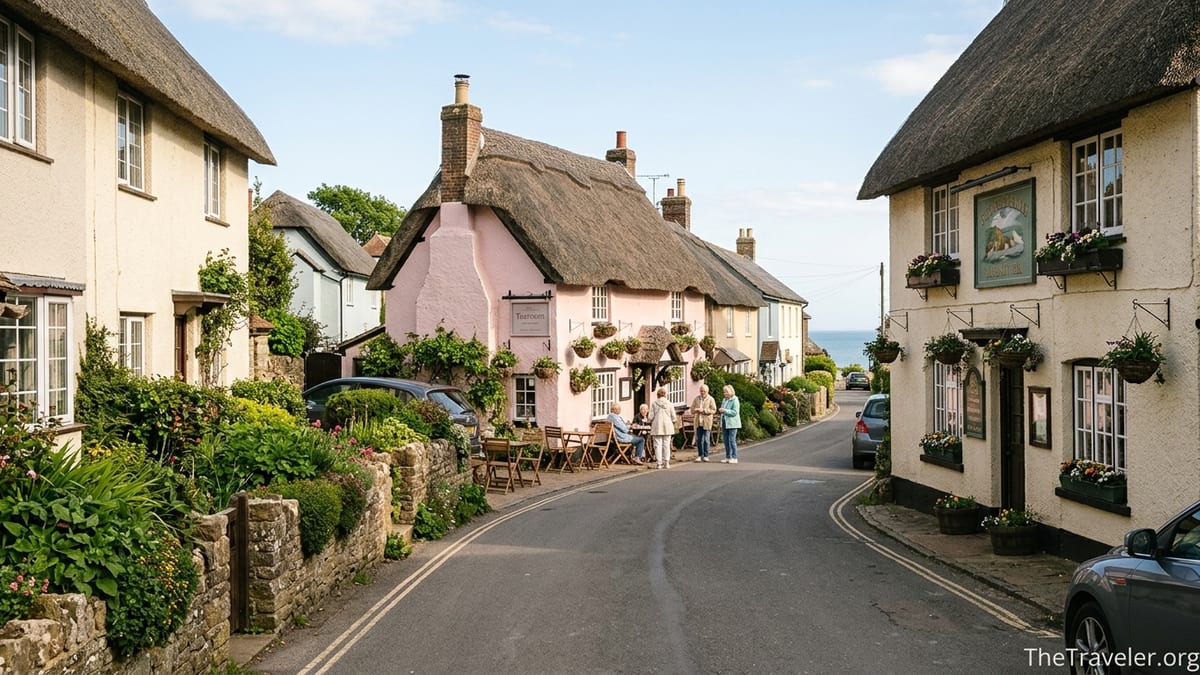
Shanklin Old Village is the Isle of Wight at its most storybook: a cluster of thatched cottages, cottage gardens, and crooked lanes perched above a sandy bay and a fern-filled coastal gorge. It is compact enough to explore in a few unhurried hours, yet full of characterful pubs, traditional tearooms, and scenic walks that can easily fill a day. This guide focuses on what to see, where to eat, and how to experience the village at its best, with practical examples to help you plan your time on the ground.
Getting Your Bearings in Shanklin Old Village
Shanklin Old Village sits on the hillside above Shanklin’s seafront on the southeast coast of the Isle of Wight. The Old Village itself is small, essentially a tangle of roads around Church Road, High Street, and the entrance to Shanklin Chine, with thatched roofs, climbing roses, and small independent businesses. The wider town of Shanklin spreads out around it, with the railway station about a 10 to 15 minute uphill walk away, and the sandy Shanklin beach another 10 minutes down to the Esplanade.
For most visitors, the natural starting point is the junction by the Old Thatch Teashop and the Crab Inn, where footpaths branch off towards Rylstone Gardens and Shanklin Chine. From here, you can easily make a loop: wander through the main cluster of cottages and shops, drop down the chine to the seafront, walk the promenade to Fisherman’s Cottage pub on the beach, then return via the lift or a steep path and finish with a cream tea back in the Old Village.
Shanklin is well linked to the rest of the island, which makes the Old Village a sensible base or day trip. Many travelers arrive on foot by bus: the Number 2 and 3 buses run from Ryde and Newport to Shanklin, with stops close to the Old Village. Others come by car and park in nearby pay-and-display car parks such as Shanklin Old Village car park off Priory Road, which typically charges by the hour and is only a short walk from the main cottages.
The atmosphere shifts by season and time of day. In high summer and on sunny weekends, tour groups, families, and day-trippers crowd the tearooms by late morning, and it feels busy and festive. In the shoulder seasons of April, May, September, and early October, the village is softer and slower, with more space to enjoy the architecture and gardens and shorter queues for tables.
Classic Sights and Best Views
The first impression of Shanklin Old Village usually comes from its thatched cottages. Buildings like the Old Thatch Teashop and Pencil Cottage are postcard-perfect examples, with low eaves, small-paned windows, and thatch that overhangs in sculpted curves. These are working businesses rather than museum pieces, so you can step inside, order a pot of tea, and look up at the thick reed or straw roof beams overhead while you eat.
To get an overview without rushing, start with a gentle stroll around Church Road, High Street, and the small lanes leading off towards Rylstone Gardens. The charm is in the details: hanging baskets overflowing with geraniums, hand-painted pub signs, and narrow pavements where you need to step down into the road to let others pass. If you arrive on a bright afternoon, the light catches the pale walls and textured thatch, so photographs work well even with a simple smartphone camera.
For a broader vantage point, continue to Rylstone Gardens, a landscaped park that sits above Shanklin Chine and looks out towards the sea. There are benches under mature trees, a small bandstand that sometimes hosts summer performances, and the Rylstone Tea Gardens, where you can get a drink or a light lunch. If you walk to the far edges of the gardens, you will find viewpoints where gaps in the trees frame the curve of Shanklin Bay and the cliffs towards Sandown.
Another classic scene is at the bottom of Shanklin Chine where it meets the Esplanade. Looking back inland, you see the chine’s wooded sides rising steeply, with pathways and bridges disappearing into the greenery. Turn around and the view opens onto Shanklin’s long sandy beach, with colourful beach huts, a small amusement arcade on the pier, and the thatched roof of Fisherman’s Cottage pub almost on the sand, often busy with people eating fish and chips on the terrace.
Exploring Shanklin Chine and Coastal Walks
Shanklin Chine is the natural heart of the area, a narrow wooded gorge that channels a stream from the downs above the village to the sea. It is a paid attraction rather than a public right of way, but many visitors consider it worth including in their day. As of the 2025 season, typical adult admission sits in the region of 12 to 13 pounds, with child and concession tickets a little cheaper and family bundles available. Opening hours vary by season but in summer the chine usually opens around mid-morning and stays open into the evening, with last entry times around 9 pm for the top entrance.
The experience is less about dramatic waterfalls and more about atmosphere. The path descends gradually, with small bridges over the stream, ferns, mossy rocks, and information boards on local history and wartime use. In the height of summer the canopy can feel pleasantly cool compared with the seafront. In the evenings there are often soft illuminations, with lights highlighting the rock faces, water, and foliage, which creates a surprising sense of intimacy even if other visitors are around.
Wear practical footwear. The paths are generally well maintained but can be damp and slightly slick in places, especially after rain. Many people walk down the chine from the Old Village top entrance, then exit on the Esplanade and return via the lift or the road rather than climbing back up. The route is manageable for most moderately fit adults, but families with pushchairs may find some sections awkward; the seaside entrance has better access options.
If you enjoy walking, you can extend your visit well beyond the Old Village. From the Esplanade, a level coastal path runs along the sea wall towards Sandown, passing beach huts and small cafes. It takes around 30 to 40 minutes at a relaxed pace to reach Sandown Pier. In the other direction, more experienced walkers head for Ventnor along the clifftop path above Luccombe and Bonchurch, a route of a couple of hours that includes steep sections and steps but rewards with views of chalk cliffs and the Channel. Many island buses and local taxis allow you to return to Shanklin without retracing your steps.
Best Tearooms, Pubs, and Places to Eat
For many people, the highlight of Shanklin Old Village is not a single attraction but the ritual of tea and cake under a thatched roof. The Old Thatch Teashop, housed in one of the village’s oldest buildings on Church Road, is one of the most popular options. The menu typically features homemade clotted cream teas with fruit scones, strawberry jam, and fresh strawberries, alongside Victorian-style afternoon teas, light lunches, and cakes. Depending on what you choose, a cream tea here usually runs somewhere around 7 to 10 pounds per person, which is in line with other well-rated tearooms in the region.
Another long-standing favourite is Pencil Cottage, a thatched cafe and gift shop close to the heart of the Old Village. It offers substantial sandwiches, salads, hot dishes, pizzas, and homemade cakes, with a separate gluten free menu and options for different dietary needs. You might, for example, pair a toasted panini or a simple stone-baked pizza with a specialty coffee for a relaxed lunch, then browse the attached shop for locally themed gifts and souvenirs. Pencil Cottage is also known for its small garden terrace, which can be a pleasant place to sit on a warm day away from the main road.
Rylstone Tea Gardens, set within Rylstone Gardens on the edge of the Old Village, provide a more open, park-like setting for a drink or snack. Here, picnic-style tables sit on lawns under trees, with a traditional mini-golf course nearby. It is a good choice for families who want children to have some space to roam while adults drink tea or coffee. Prices are generally comparable to other island garden cafes, with sandwiches, cakes, and ice creams that lend themselves to casual, outdoor dining.
For something stronger than tea, head either to the Crab Inn in the Old Village itself or down to Fisherman’s Cottage pub on the Esplanade. The Crab Inn is a thatched pub with a traditional interior and outdoor seating, popular for standard pub classics, Sunday roasts, and pints of local ale. Its central location makes it a convenient lunch or early dinner stop during a village wander. Fisherman’s Cottage, almost on the beach below the chine, focuses on hearty seaside fare such as fish and chips, scampi, and burgers, often served on a terrace with direct sea views. On a clear evening, sitting here with a plate of fish and chips and a drink while watching the tide come in is one of the simplest and most satisfying Shanklin experiences.
Shops, Local Crafts, and Seasonal Experiences
Although small, Shanklin Old Village has enough independent shops to fill an hour or two of browsing. Expect a mix of traditional souvenir outlets and more curated gift shops. Pencil Cottage doubles as a gift shop, with rooms stocked with local crafts, pottery, decorative pieces, and Isle of Wight–themed items. There are also specialist shops that focus on items such as Christmas decorations, candles, or framed prints, and small galleries selling work by island artists.
Prices reflect the location’s popularity. Simple items like postcards and magnets are relatively inexpensive, while handmade ceramics, glassware, and textiles can be more of a splurge. Many visitors pick up small, easy-to-pack items such as locally made jams, fudge, or chutneys as gifts. It is worth asking staff where products come from; several businesses pride themselves on supporting island producers, from jam makers and bakers to soap makers and distilleries.
Seasonality shapes how the Old Village feels. In peak summer, many shops open seven days a week, with longer hours that stretch into the early evening, especially when the weather is fine and the chine is illuminated. In the shoulder months, some businesses reduce their opening days, so it is common to find one or two tearooms or shops closed midweek. In winter, some venues pause operations altogether, focusing their season from spring through autumn. If you are visiting outside school holidays, it can be helpful to check opening days in advance or build in some flexibility so you can simply choose among the places that are open when you arrive.
Special events are generally low-key rather than large festivals. Occasional live music performances, charity events, or themed afternoons may take place at pubs or in Rylstone Gardens, especially in the summer months. The chine’s evening illuminations also give the area a subtly different character after dark, with lights reflected in wet rock and foliage. For a particularly atmospheric experience, some travelers plan to walk down the chine in early evening, dine by the seafront, and then return to the Old Village by road once the lights have come on.
Practical Tips: When to Go, Where to Stay, How Long to Spend
Most travelers can see the main highlights of Shanklin Old Village in half a day, especially if they combine it with a walk through Shanklin Chine and a short spell on the beach. A typical schedule for a day trip might look like this: arrive mid-morning, explore the lanes and cottages, have lunch or early afternoon tea in one of the tearooms, then walk down through the chine to the beach for a paddle or a seafront drink before heading back up to catch a bus or train. If you prefer a slower pace or want to add a longer coastal walk, planning a full day is more comfortable.
The most pleasant seasons for many visitors are late spring and early autumn, roughly May, June, and September, when temperatures are mild, gardens are in bloom, and crowds are slightly thinner than in the school summer holidays. July and August have the liveliest atmosphere and the widest choice of open venues, but accommodation on the Isle of Wight books up quickly and prices climb. In these peak months, booking tables in popular tearooms and pubs at typical meal times can save queuing, especially at the Old Thatch Teashop and Fisherman’s Cottage on sunny weekends.
Shanklin offers a range of accommodation options from traditional seaside guesthouses on the Esplanade to small hotels and self-catering cottages in and around the Old Village. Staying within easy walking distance means you can enjoy the village early in the morning or after day-trippers have gone home, when the lanes are quieter and the thatched roofs glow in low light. Many visitors pair a stay in Shanklin with trips to nearby Godshill, Ventnor, or the island’s western coast, making use of regular bus routes or a car.
Weather, as always in coastal England, is changeable. Even in summer, it is sensible to carry a light waterproof jacket and comfortable shoes suitable for both village streets and paths in the chine. On very hot days, the steep hills between the seafront and the Old Village can feel strenuous, so factoring in rest stops at Rylstone Gardens or one of the cafes makes the climbs more manageable. In cooler months, the sea breeze and damp in the chine can make the air feel significantly colder than the forecast temperature suggests, so packing an extra layer pays off.
Nearby Attractions to Combine With Your Visit
If you have more than a day in the area, Shanklin Old Village can serve as a hub for exploring other parts of the island. Godshill, another quintessential thatched village a short drive or bus ride inland, features a model village that includes a miniature version of both Godshill and Shanklin’s Old Village, along with more tearooms and two pubs. Combining the two villages in one day offers a satisfying tour of classic Isle of Wight architecture and countryside.
Ventnor, to the southwest along the coast, has a different feel: a Victorian seaside town clinging to steep hills, with the subtropical planting of Ventnor Botanic Garden a short bus ride further along the coast. The coastal walk between Shanklin and Ventnor, via Bonchurch, is a favourite with energetic walkers, linking the Old Village and chine with wooded paths, sea views, and quiet coves. Many visitors walk one way and then let the bus carry them back, which avoids a long out-and-back route.
Families may also appreciate the wider Sandown Bay area. The straightforward sea wall walk from Shanklin to Sandown allows you to see both resorts in a single outing, with options to stop for ice cream or a simple seafront lunch along the way. On breezy days, this stretch can feel bracing rather than leisurely, but it remains one of the most accessible coastal walks on the island, thanks to its step-free path.
For those interested in local history and quieter corners, exploring the upper parts of Shanklin away from the seafront and Old Village reveals residential streets, churches, and small green spaces. Although they lack the picture-book charm of thatched cottages, they give a sense of the town as a lived-in community rather than purely a holiday resort, and it can be interesting to contrast this with the manicured appearance of the Old Village’s main cluster of businesses.
The Takeaway
Shanklin Old Village offers a concentrated dose of the Isle of Wight’s gentler side: thatched roofs, climbing plants, slow-paced tearooms, and sea air only a short walk away. It is not a place of big-ticket thrills or large museums, but a setting for unrushed wandering, conversations over cream tea, and short walks that reveal new viewpoints with little effort. For many visitors, a few hours here provide as strong a memory of the island as any of its larger resorts or attractions.
Whether you are pausing briefly on a wider island tour or staying nearby for several nights, focusing on a few simple experiences tends to work best: explore the lanes with no fixed route, spend time in at least one tearoom and one pub, walk through Shanklin Chine to the sea, and, if energy allows, follow the coastal path a little way beyond the town. Combine those elements and you will have captured much of what makes this corner of the Isle of Wight feel so quietly distinctive.
FAQ
Q1. How long do I need to see Shanklin Old Village properly?
Most visitors can explore the main streets, enjoy a tearoom stop, and walk through Shanklin Chine in about half a day. If you want to add a longer coastal walk or linger over multiple meals and photo stops, plan a full day to keep the pace relaxed.
Q2. Is Shanklin Old Village suitable for visitors with limited mobility?
The Old Village has some gentle slopes and uneven pavements, and Shanklin Chine includes steps and steeper paths, so it can be challenging for those with significant mobility issues. However, the main streets around the cottages and some cafes have relatively level access, and the seafront promenade below is largely step free, so many visitors with moderate mobility limitations can still enjoy parts of the area.
Q3. When is the best time of year to visit Shanklin Old Village?
Late spring and early autumn, particularly May, June, and September, often offer the best balance of mild weather, open businesses, and lighter crowds. July and August are livelier and have the widest choice of open venues, but they are busier and accommodation and ferry prices can be higher.
Q4. Do I need to book tearooms and pubs in advance?
Outside peak periods you can often walk into most venues without a booking, especially earlier in the day. In school holidays and on sunny weekends, it is sensible to reserve popular spots like the Old Thatch Teashop or aim to eat at slightly off peak times, such as a late lunch or early tea, to avoid waiting for a table.
Q5. How much does it cost to visit Shanklin Chine?
Entry fees change over time, but as a guide, recent adult prices have been in the low teens in pounds, with reduced rates for children and concessions and family tickets available. Many visitors feel the combination of the wooded gorge, coastal views, and evening illuminations offers reasonable value for a one or two hour visit.
Q6. Can I visit Shanklin Old Village without a car?
Yes. Regular buses link Shanklin with Ryde, Newport, Sandown, and Ventnor, and Shanklin has a railway station connecting to the island’s small rail line and ferry services. From the station, the Old Village is about a 10 to 15 minute walk, and local taxis are available if you prefer not to walk uphill.
Q7. Are there good options for vegetarians, vegans, or gluten free diners?
Several tearooms and cafes in and around the Old Village offer vegetarian options, and places such as Pencil Cottage highlight dedicated gluten free choices. Vegan choices are more limited than in a large city but are gradually improving, so it is worth asking staff about off menu substitutions or daily specials when you arrive.
Q8. Is Shanklin Old Village family friendly?
Yes, families are very common here. Children often enjoy walking through Shanklin Chine, playing in Rylstone Gardens, trying mini golf, and spending time on the beach below. Do be prepared for some narrow pavements and hills, so using a compact pushchair or child carrier is often easier than a bulky stroller.
Q9. What should I wear and bring for a day in Shanklin Old Village?
Comfortable walking shoes are essential, especially if you plan to include Shanklin Chine or coastal paths. Pack layers and a light waterproof even in summer, as weather can turn quickly and the chine can feel cooler and damper than the streets above. Sunscreen, a hat, and a refillable water bottle are useful in brighter months, and a small backpack makes it easy to carry any souvenirs or local food items you pick up.
Q10. Can I combine Shanklin Old Village with other nearby attractions in one day?
Yes. Many travelers pair a visit to the Old Village and Shanklin Chine with a walk along the seafront to Sandown or a bus trip to Godshill, another pretty village with thatched cottages and a model village. If you start early and keep an eye on bus times, it is entirely possible to see Shanklin Old Village and at least one nearby highlight within a single well planned day.