


More news on this day
Singapore Airlines and its low cost subsidiary Scoot have extended suspensions of flights linking Singapore with Dubai and Jeddah, tightening a growing squeeze on Middle East connectivity as renewed conflict and regional airspace closures disrupt summer travel plans.
Get the latest news straight to your inbox!
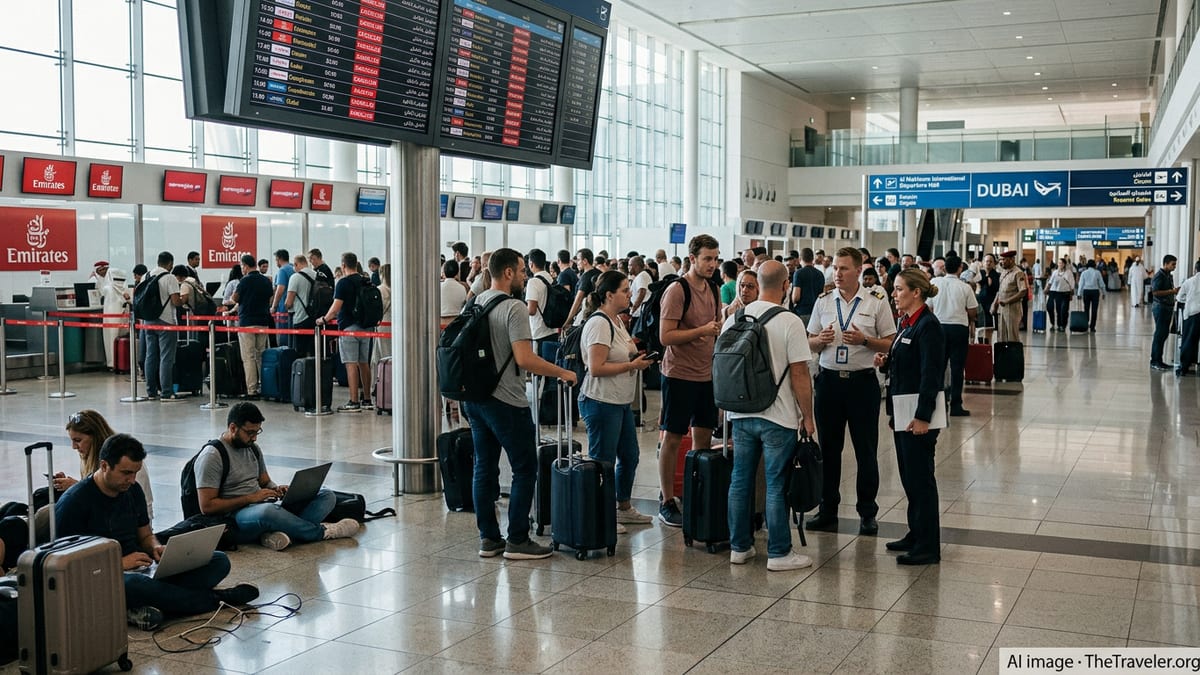
Longer Cancellations on Key Dubai and Jeddah Routes
Publicly available advisories show that Singapore Airlines has pushed back the resumption of its Singapore Dubai service until 24 October 2026, a significant extension from earlier deadlines that had initially run only until late April and then early August. According to the airline’s latest notice, flights SQ494 from Singapore to Dubai and SQ495 from Dubai to Singapore remain removed from the schedule for the duration of this period, with customers offered refunds or rebooking options on alternative routes.
Scoot, the group’s budget carrier, has taken a similar approach on its Jeddah route. An updated advisory dated mid July states that flight TR796 from Singapore to Jeddah and the return service TR797 will be cancelled through 27 July 2026. The extension follows a series of earlier short term suspensions on the same city pair that began in March, as the security situation in the wider region deteriorated.
Both sets of cancellations are described in airline statements and media coverage as a response to the “geopolitical situation in the Middle East” and an escalation of hostilities tied to the Iran war. Reports indicate that repeated closures of key airspace corridors, combined with operational and insurance constraints, have made some routings impractical or commercially unviable for the time being.
Coverage from regional outlets such as The Straits Times, Channel NewsAsia and AsiaOne notes that Dubai and Jeddah services were among the first SIA Group routes to be suspended when the conflict intensified earlier in 2026, and that the latest advisories effectively stretch those disruptions into the tail end of the northern summer travel season.
Renewed Conflict and Middle East Airspace Restrictions
The extended cancellations come amid a broader aviation downturn linked to the 2026 Iran war and associated strikes across parts of the Gulf. Analysis of the conflict’s economic impact indicates that airspace over Bahrain, Iraq, Israel, Kuwait, Qatar, Syria and the United Arab Emirates has faced intermittent or prolonged closures, forcing airlines to reroute or suspend flights and disrupting operations at major hubs that typically handle a sizable share of global traffic.
Industry briefings compiled by aviation consultancies describe the current shock as one of the most severe for airlines since the Covid 19 pandemic, citing higher fuel prices, longer flight times around restricted zones and congestion on alternative tracks. For carriers like Singapore Airlines and Scoot, whose networks rely on efficient connections through Changi Airport, the loss of direct access to Dubai and Jeddah removes important links to the Gulf and western Saudi Arabia.
Published coverage indicates that Singapore’s aviation authorities have acknowledged a sharp reduction in scheduled services between the city state and key Middle East destinations since the conflict escalated in late February. Data presented to lawmakers in May showed that weekly flights between Singapore and cities such as Abu Dhabi, Doha, Dubai and Jeddah had fallen by more than half compared with pre conflict levels.
While some airlines have chosen to maintain limited operations by flying longer routes that skirt Iranian airspace, others have concluded that the combination of safety assessments, flight time extensions and insurance requirements makes suspension the more viable option until the security outlook improves.
Knock On Effects for Passengers and Summer Travel
The extended cancellations are hitting travellers at the height of the northern summer peak, complicating itineraries for passengers who use Singapore as a connecting point between Southeast Asia, the Middle East and Europe. Reports in regional media and online forums show customers with existing Dubai and Jeddah bookings being shifted onto alternative routings via other Gulf or European hubs, or opting for refunds when suitable replacement options are not available.
Singapore Airlines’ advisory notes that customers on affected Dubai flights can request a full refund of the unused portion of their ticket, while Scoot has indicated that passengers booked directly with the carrier may obtain refunds or change to other Scoot services subject to availability. Those who purchased through travel agents or partner airlines are being directed back to their original booking channels for assistance.
Travel industry commentary suggests that the sudden removal of capacity on the Singapore Dubai and Singapore Jeddah sectors is also pushing up fares on remaining routes that connect Southeast Asia with the Middle East and onward to Europe. With multiple international carriers cutting back or suspending Middle East operations, fewer seats are available across the region, and longer routings through alternative hubs can add both cost and travel time.
Advisories from consumer groups and travel agents stress the importance of checking flight status frequently in the days leading up to departure, as schedules remain fluid and further adjustments are possible if the security situation changes again. Some analysts recommend building in longer connection times and considering travel insurance that covers conflict related disruption for trips touching the region.
Changi Hub Strategy and Alternative Connectivity
Despite the setbacks in Dubai and Jeddah, the SIA Group and Singapore’s aviation authorities are working to redirect capacity to other markets. Publicly released statements from the Civil Aviation Authority of Singapore and Changi Airport Group indicate that airlines have been encouraged to add flights to European and Asia Pacific destinations where demand remains strong and routes are unaffected by the Middle East conflict.
Singapore Airlines has already announced new or increased services to several cities in Europe and Southeast Asia over the northern summer, while Scoot has focused on strengthening its network in North Asia, Australia and secondary points in Southeast Asia. A separate sales circular highlighted the planned launch of non stop flights to Riyadh in June 2026, although the timing and viability of that expansion are now subject to closer scrutiny given the evolving regional risk profile.
Aviation analysts quoted in regional coverage say that maintaining Changi’s role as a competitive hub will depend on how quickly airlines can pivot capacity away from affected corridors and how long the Iran conflict continues to disrupt traffic flows. For now, planners appear to be betting that demand on Europe and Australasia routes can help offset at least part of the lost Middle East traffic.
At the same time, industry reports point out that many passengers still view Gulf hubs as critical transit points for travel between Asia, Europe and Africa. Extended closures or capacity reductions at regional airports, coupled with suspensions on key routes such as Singapore Dubai and Singapore Jeddah, risk reshaping long established travel patterns if the disruptions persist well into 2027.
Uncertain Timeline for Normalisation
With Singapore Airlines’ Dubai cancellations now running through late October and Scoot’s Jeddah suspension in place until at least late July, there is limited visibility on when full connectivity might return. Analysts following the conflict caution that any easing of airspace restrictions will depend on sustained de escalation in the wider Iran war, as well as assurances to insurers and regulators that overflight and destination risks have diminished.
Some aviation outlook studies suggest that even if hostilities subside in the coming months, airlines may be cautious about restoring capacity too quickly to affected destinations, opting instead for phased resumptions and continued use of longer diversionary routings. That caution could prolong higher operating costs and keep pressure on fares for routes that historically relied on the most direct paths across the Middle East.
For travellers, the immediate priority is navigating the current wave of cancellations and schedule changes. Industry observers expect that waivers, flexible rebooking policies and proactive communication will remain central tools for airlines as they manage customer expectations through the remainder of the year.
Until the geopolitical outlook becomes clearer, the SIA Group’s extended suspensions on Dubai and Jeddah services stand as a high profile example of how the renewed conflict is reshaping air travel, forcing even major full service carriers and their low cost affiliates to pull back from once routine routes in the interest of safety and operational stability.