


More news on this day
Singapore is accelerating its push to become Asia’s leading cruise and leisure gateway, rolling out major expansions at Marina Bay, Sentosa and its luxury hotel sector in a coordinated move that more tightly links the city-state with cruise and tourism networks across Japan, Thailand, Malaysia, Vietnam and Indonesia.
Get the latest news straight to your inbox!
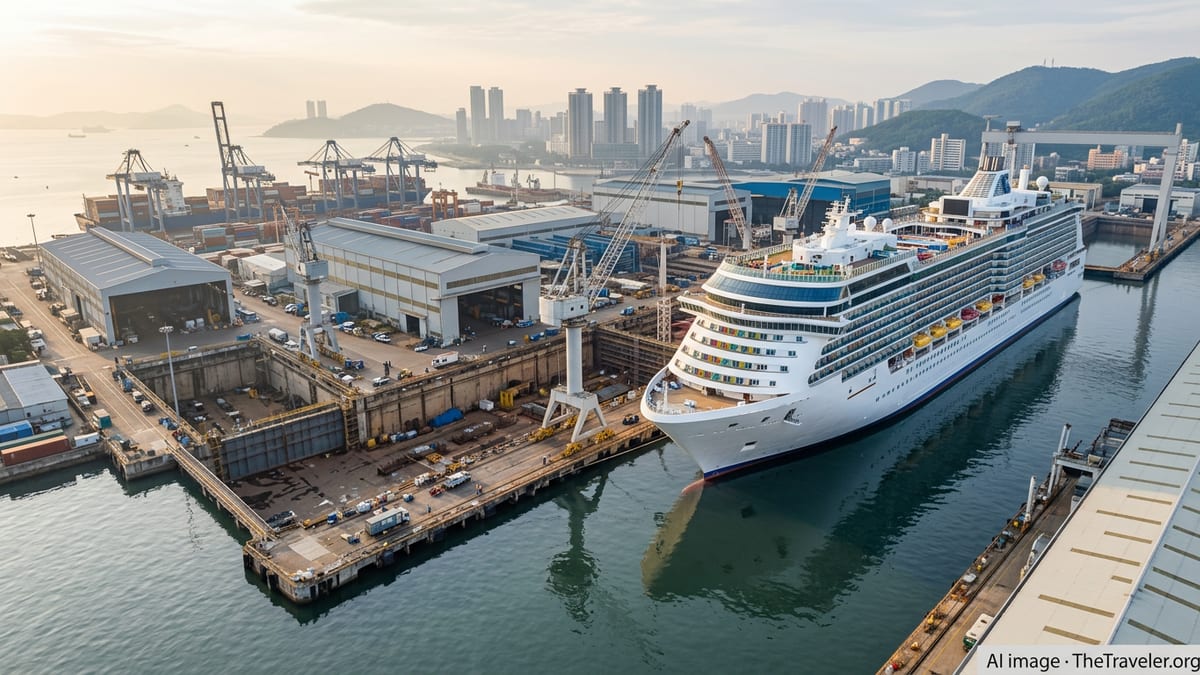
Marina Bay Cruise Capacity Ramps Up for Regional Itineraries
Singapore’s Marina Bay Cruise Centre is undergoing a substantial upgrade that positions the terminal as a central embarkation point for Asian cruise itineraries connecting Japan, Thailand, Malaysia, Vietnam and Indonesia. Publicly available information shows that a S$40 million expansion now under way will raise the terminal’s handling capacity from about 6,800 passengers to nearly 11,700 once works are completed, targeted for late 2025. The enlarged facility is expected to accommodate more simultaneous ship calls and smoother passenger flows during peak sailing seasons.
The upgrade coincides with broader changes along Singapore’s southern waterfront, where existing ferry and cruise operations at HarbourFront are being consolidated and redirected. Industry reports indicate that an interim terminal is being developed to bridge the transition, with long term plans pointing to a greater concentration of large-ship cruise traffic at Marina Bay. This reconfiguration is intended to give global and regional lines a more efficient homeport, directly plugged into Singapore’s financial district and Changi Airport via rail and road links.
Cruise deployment announcements for the coming years show a growing number of itineraries that use Singapore as a turnaround or key call on routes linking Japanese ports with Southeast Asia’s classic sun-and-sea destinations. New-to-Asia luxury brands scheduled to debut regional sailings later this decade are already marketing voyages that string together Singapore, Indonesian islands, Vietnamese heritage cities and Thai beach hubs, reflecting how enhanced capacity at Marina Bay is reshaping itinerary planning.
Analysts note that the city-state’s investment in cruise infrastructure is closely aligned with strategies in neighboring countries. Malaysia is upgrading terminals in Port Klang and Penang, Thailand is adding capacity in Laem Chabang and Phuket, while Vietnam and Indonesia are positioning ports such as Halong Bay, Da Nang, Bali and North Bali as core stops on regional circuits. The Marina Bay expansion is therefore seen as a catalyst that allows cruise operators to design longer, more varied Asia sailings anchored by a strong Singapore homeport.
Sentosa and Pulau Brani: Mega Projects Redraw the Leisure Map
Alongside the cruise terminal works, Sentosa and adjacent Pulau Brani are the focus of a long term transformation that is expected to significantly widen Singapore’s tourism offer. The Greater Sentosa Master Plan, an evolution of earlier Sentosa-Brani concepts, outlines new coastal trails, revitalised beachfronts and expanded event spaces designed to support larger numbers of visitors and more frequent outdoor festivals.
Recent coverage in Singapore media highlights that Sentosa’s beaches are slated for upgrades to host a broader mix of lifestyle, sporting and cultural activities. Plans also point to enhanced connectivity between the mainland and the island, building on existing cable car, monorail and boardwalk links so that visitors can move more seamlessly between Marina Bay, the cruise terminals and Sentosa’s resort clusters.
Resorts World Sentosa, one of the island’s anchor integrated resorts, is in the midst of its own multi-year expansion. Company materials describe an investment program, often referred to as RWS 2.0, that will enlarge the resort’s footprint by around half and add new themed attractions, hotel capacity and a next generation Singapore Oceanarium. Taken together with the wider Sentosa upgrades, these works are expected to refresh the island’s appeal to both repeat visitors and first-time cruise passengers extending their stays before or after a voyage.
For regional tourism networks, the Sentosa projects are particularly significant because they add critical mass to Southeast Asia’s portfolio of integrated resorts and theme parks. Japan’s Kansai and Kanto regions, Thailand’s coastal resort belts, and Malaysia’s Genting Highlands and Johor attractions are all competing for longer-stay visitors. By making Sentosa and Pulau Brani a more diversified, multi-day destination, Singapore is strengthening its pitch as the logical hub for cruise-and-stay holidays that combine city, beach and theme park experiences in a single trip.
Luxury Hospitality Investments Tighten Singapore’s High-End Edge
At Marina Bay, investment in luxury hospitality is running in parallel with the cruise and leisure build-out. Marina Bay Sands has committed to a multi-phase reinvestment program that includes a full refurbishment of existing hotel towers and extensive enhancements to its suites, dining and lifestyle offerings. Company announcements describe a second major expansion, sometimes referred to as IR2, which will deliver a new all-suite hotel tower, a 15,000-seat entertainment arena and additional high-end meeting and exhibition space.
The cost of the Marina Bay Sands expansion has risen from initial estimates to around US$8 billion, according to business media reports, reflecting a more ambitious vision for the complex as a dedicated ultra-luxury resort. The project, which broke ground in 2025, is scheduled to be completed toward the end of the decade and is expected to significantly increase the property’s earnings potential. Executives have framed the development as one of the most valuable tourism projects globally, reinforcing Singapore’s role at the top end of the Asian hospitality market.
The Singapore Tourism Board has indicated that, together, Marina Bay Sands and Resorts World Sentosa are committing about S$10 billion in new investment. This capital injection arrives as luxury room demand and visitor spending across the city recorded strong growth in 2024. New luxury openings on Sentosa, including high-end villa resorts, are widening the range of accommodation available for affluent travelers who might previously have confined their stays to the downtown core.
These developments are unfolding alongside comparable or complementary moves in neighboring countries. Japan is seeing a new wave of high-end hotel and ryokan refurbishments in major cities and regional hubs, while Thailand, Malaysia, Vietnam and Indonesia continue to add branded resorts in Phuket, Krabi, Langkawi, Da Nang, Phu Quoc, Bali and Lombok. In this context, Singapore’s luxury pipeline helps ensure that the city-state remains a natural start or end point for multi-country itineraries, especially for cruise passengers who expect top-tier hotels as part of their journey.
Building a Stronger Pan-Asian Cruise and Tourism Network
The hard infrastructure investments in Marina Bay, Sentosa and Singapore’s integrated resorts are complemented by softer networks that link ports and destinations across Asia. The Asia Cruise Services Network, for example, brings together cruise-handling specialists across countries including Singapore, Japan, Thailand, Malaysia, Vietnam and Indonesia. Publicly available information on the alliance points to coordinated shore excursion design, port agency services and turnaround support, which help cruise lines offer seamless multi-country itineraries.
As more terminals in the region upgrade and standardise facilities, cruise brands can deploy larger ships and more complex routes. Japan’s ports are deepening capacity for both international and domestic sailings, while Thailand is refitting facilities near Bangkok and in the Andaman Sea. Malaysia is working to boost capacity at Port Klang and Penang, Vietnam continues to enhance access to Halong Bay and central coastal cities, and Indonesia is promoting key gateways such as Bali and Labuan Bajo. Singapore’s Marina Bay upgrades allow it to sit at the center of this network as a year round warm-water embarkation point.
New deployments by premium and luxury cruise lines over the 2027 and 2028 seasons, as reported in international travel media, illustrate how these networks are being used. Several brands plan itineraries that weave together Japanese cultural cities with Southeast Asian beach and culinary destinations in a single voyage, using Singapore as either a starting point or a key turnaround. This model depends on reliable port infrastructure, efficient ground handling and attractive pre- and post-cruise options, all of which are being strengthened by Singapore’s latest investments.
Tourism strategists in the region have long argued that Asia’s cruise potential has been under-realised relative to its coastline and population. With Singapore joining Japan, Thailand, Malaysia, Vietnam and Indonesia in accelerating port upgrades, destination development and luxury hospitality projects, the ingredients for a more integrated cruise and tourism ecosystem are now falling into place. The Marina Bay expansion, Sentosa mega projects and high-end hotel pipeline collectively underscore how the city-state is positioning itself not only as a stand-alone attraction, but as a pivotal connector in Asia’s emerging cruise corridor.