


Singapore Changi Airport has a reputation for being a destination in itself, and its shopping is a big part of the appeal. From serious duty-free hunters looking for top-shelf whisky or tax-absorbed beauty, to families grabbing last-minute souvenirs like Bengawan Solo kueh or bak kwa, the terminals and Jewel Changi combine to feel like a high-end mall that just happens to have planes attached. With prices shaped by Singapore’s 9 percent GST, changing duty-free concessions and frequent airport promotions, it pays to arrive with a plan. This guide walks you through what to buy, where to find it, and how to decide when Changi is genuinely a deal and when you are better off waiting for the city or shopping at home.
Get the latest updates straight to your inbox!
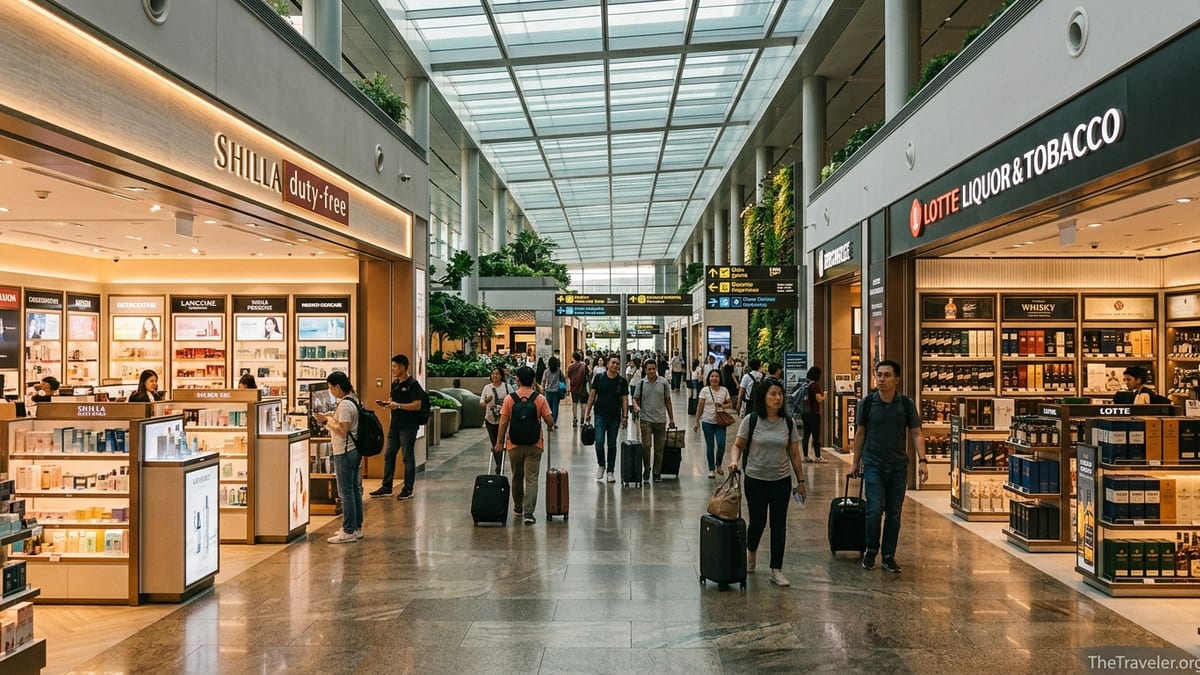
How Changi’s Shopping & Duty-Free System Works
Changi’s shopping is split between public areas, transit areas after immigration, and Jewel Changi Airport, which links to Terminals 1 to 3. In practice, this means you can start browsing in the public departure halls before check-in, continue in the airside duty-free zone after immigration, and then add an extra lap through Jewel if you have time. Across these zones you will see three broad types of pricing: classic duty-free for liquor and tobacco managed by Lotte Duty Free, tax-free or GST-absorbed pricing on many beauty and luxury brands, and regular retail pricing similar to downtown stores. For a traveller in 2026, understanding which is which is the difference between a clever buy and an over-priced impulse purchase.
On liquor and tobacco, eligible travellers benefit from duty-free concessions that usually make prices significantly lower than in central Singapore. Independent travel guides in 2026 note that it is common to see mainstream whiskies and cognacs at roughly 40 to 60 percent below typical city retail, particularly when Lotte runs bundle promotions or limited-edition launches targeted at collectors. Cosmetics, skincare and fragrances in the main Shilla Duty Free stores are sold without Singapore’s 9 percent GST, and periodic campaigns by Changi Airport absorb GST on selected non-duty-free categories in the public areas, allowing you to effectively save the tax twice if you stack promotions with credit card rebates.
Fashion and general retail are more mixed. Consumer blogs comparing prices in 2026 point out that many fashion labels in travel retail are priced 10 to 20 percent above their standard city prices, meaning the GST saving is often wiped out. You might find a Longchamp Le Pliage bag in Terminal 3 listed only slightly below the brand’s Singapore boutique price once tax is removed, while a seasonal city sale could undercut that. The best approach for non-spirits and non-beauty purchases is to treat Changi as a last-chance convenience store rather than a guaranteed bargain outlet.
Before you commit to big-ticket shopping, it is also worth understanding your own country’s import allowances. A bottle of single malt whisky that looks like a steal at Lotte might attract extra duty or be confiscated if you are connecting to a region with strict liquid rules on security re-screening, such as some Australian gateways where alcohol bought before transit is not accepted unless sealed to a specific standard. Several travellers in early 2026 have reported being forced to surrender bottles purchased outside Changi when connecting through, which underlines the need to buy strategically and keep receipts and security-safe bags intact.
Best Duty-Free Beauty, Fragrance & Skincare Buys
The biggest concentration of beauty and fragrance at Changi sits in the Shilla Duty Free stores in the transit areas, especially in Terminal 3’s Cosmetics and Perfumes Departure Central. Refreshed in 2026 with a more interactive layout, the T3 store combines classic counters for brands like Estée Lauder, Dior, Lancôme and La Mer with beauty studios where staff offer mini facials or lip shade matching while you wait for your gate to open. For travellers connecting on long-haul routes, this can be a practical way to sample hydrating serums or sheet masks before buying full-size items for an upcoming winter trip.
Prices on core beauty products typically reflect the 9 percent GST saving compared with Singapore high street stores. For example, a mid-range 50 ml moisturiser from a global brand that retails at around 150 Singapore dollars in town might appear at roughly 135 Singapore dollars tax-free, and further dip during Shilla’s periodic 10 to 15 percent campaigns tied to airline boarding passes or loyalty programmes. Travellers often find that multi-pack sets offer the best value: think twin-packs of serums or jumbo-sized cleansers only sold at airports. These are especially attractive for those flying home to countries where Asian brands such as Sulwhasoo or Laneige are significantly more expensive or hard to find.
Fragrance is similar, with flagship lines from Chanel, Hermès, Tom Ford and Jo Malone often bundled in airport-exclusive discovery sets. You might see three 30 ml bottles packaged together for only slightly more than the price of a single 50 ml bottle downtown, a format that suits frequent travellers or gift-givers who want variety. However, shoppers should be aware that some city department stores in Singapore run aggressive seasonal sales and bank card promotions that can temporarily beat duty-free prices, especially on older fragrances. Comparing rough price levels ahead of time, or quickly checking the brand’s home-market website on airport Wi-Fi, helps you avoid assuming that every bottle on the shelf is a bargain.
For practical purchases, Changi’s pharmacies and wellness counters also stock travel-sized sunscreens, over-the-counter medications and sheet masks at prices similar to or slightly below city chains, but the real draw is variety. A transit passenger with only an hour between flights might find it easier to pick up a full Korean skincare routine in one sweep at Shilla than to assemble it from several separate stores in town. The airport’s generous return policy on unopened items, which usually allows returns on the same day with receipts, provides added reassurance for those who tend to shop impulsively while jet-lagged.
Liquor & Tobacco: Where Changi Really Shines
When it comes to duty-free value, Changi’s strongest category is liquor. Lotte Duty Free operates the main spirits and wine stores across the terminals, and in January 2026 The Macallan opened its first shop-in-shop concept here, underlining how important the airport has become for collectors. In that space you might see limited editions of The Macallan or other prestige single malts presented with tasting notes and staff on hand to discuss cask types, something more reminiscent of a specialist whisky boutique than a typical airport rack.
Pricing on mainstream spirits such as Johnnie Walker Black Label, Chivas Regal, Hendrick’s gin or Absolut vodka is often markedly lower than in central Singapore, where alcohol is heavily taxed. Travel reports in 2026 suggest that a standard litre bottle of a popular blended whisky can be around 40 to 50 percent cheaper at Changi’s duty-free than at a large city supermarket, and multi-bottle bundle deals can push that gap closer to 60 percent for certain brands. If you are flying to a country with high alcohol taxes, such as parts of Australia or Nordic Europe, that discount can translate into real savings on your trip budget.
Japanese whisky and premium Asian spirits are another category where Changi stands out. Whisky enthusiasts note that for current-production bottles from brands like Suntory’s Hibiki or Yamazaki, the best price they encounter in Singapore in 2026 is often at Changi’s duty-free, rather than in town. Stock for rare age-statement whiskies remains tight and prices are high worldwide, but the airport sometimes receives small allocations of travel-exclusive variants that rarely leak into regular retail. It is common to find a limited-edition Suntory or Taiwanese Kavalan release packaged with special glassware or gift boxes that make them popular souvenirs for business partners.
The main caveat is customs and security rules along your route. Singapore’s duty-free allowances are structured so that most adult visitors can bring in a mix of wine, beer and spirits without extra duty, but your own country’s regulations may be stricter. If you are transiting through another airport that requires passengers to clear security again, check whether liquids purchased at Changi will be accepted in sealed Security Tamper-Evident Bags, and whether your final destination allows that volume of alcohol. Buying at arrival duty-free in Changi can also be attractive for incoming travellers, as many flights disembark guests directly into a retail zone where they can pick up a bottle to take into Singapore, often at similar prices to airside departure.
Local Flavors & Souvenirs You Should Not Miss
Beyond perfumes and whisky, Changi is one of the easiest places to fill your bag with Singaporean flavours. In Terminal 3, homegrown bakery and confectionery brand Bengawan Solo has an outlet that many locals treat as their go-to for gifts when flying abroad. Here you will find attractively boxed pineapple tarts, kueh lapis prune cake and pandan chiffon cakes that are designed to travel, all priced in Singapore dollars with clear labelling on shelf-life. On a typical morning it is common to see Singapore residents queueing for multiple boxes before regional flights, knowing they may not have time to stop at a mall beforehand.
Nearby, chains such as Famous Amos and The Cocoa Trees cater to chocolate lovers, while Fragrance offers bak kwa, the sweet barbecued meat that is one of Singapore’s most recognisable festive treats. Pack sizes and vacuum-sealed packaging are tailored for cabin baggage, and staff are usually quick to advise what is acceptable for your destination. For example, if you are flying to a country that restricts meat imports, they may steer you towards cookies or coffee instead. This guidance is especially useful for travellers from the United States or Europe who may be less familiar with regional customs rules.
Jewel Changi adds another layer to the souvenir hunt. Widely recognised as one of Singapore’s favourite shopping malls, Jewel combines global names with local brands such as Naiise or Supermama, which specialise in design-driven keepsakes featuring Singapore icons. You might spot porcelain plates printed with HDB housing blocks or Merlion motifs, or tote bags referencing local hawker dishes. Prices here are regular retail rather than duty-free, but for someone in transit who cannot venture into the city, the mix offers a quick snapshot of contemporary Singapore design culture in one loop around the central Rain Vortex.
For families, the airport is sprinkled with toy and character stores like Simply Toys and Pokémon-themed vending machines, which can be a lifesaver on long layovers. While prices for licensed toys are comparable to other major airports, the selection of Asia-exclusive items can be excellent. A parent changing planes in Changi might pick up a regional-only Pokémon plush or a limited-edition collectible car set that would be difficult or more expensive to source back home.
Fashion, Electronics & When Changi Is Actually Cheaper
In fashion and accessories, Changi resembles a compact global mall. Terminals 1 to 3 feature brands such as Michael Kors, Coach, Hugo Boss and local jewellers like RISIS and Goldheart, while Jewel adds athleisure staples from Nike and Adidas to smaller labels. For travellers on tight schedules, this concentration can be more convenient than Singapore’s sprawling city malls since you can cover multiple brands within a short walk from your gate. Window displays are updated regularly, so you will often see current-season collections rather than old stock.
However, multiple consumer comparisons in 2026 suggest that fashion at Changi is not automatically cheaper than in the city. Because travel retail rents and fit-outs are expensive, some brands adjust their base prices upwards, clawing back the GST saving. A cross-body bag that lists at 520 Singapore dollars in a downtown boutique might be tagged at 560 Singapore dollars in the airport, which after removing 9 percent GST nets out close to break-even. The upshot is that unless you are buying from a clearly marked promotion section or bundled airport-exclusive sets, fashion shopping at Changi should be viewed as a convenience purchase more than a hunt for rock-bottom deals.
Electronics follow a similar pattern but with some bright spots. Stores such as The Digital Gadgets and electronics corners in the transit areas stock headphones, travel adaptors, cameras and tablets from major brands like Apple, Sony and Bose. Prices for globally standardised products tend to sit close to online rates, especially for items where manufacturers tightly control pricing. You might find that a pair of noise-cancelling headphones costs roughly the same as in a major US or European electronics chain, perhaps with a small discount when bundled with a portable charger or case. Occasionally, airport-specific promotions or credit card tie-ups tip the balance, making Changi a reasonable place to pick up a last-minute power bank or travel router.
One area where Changi can offer a clearer edge is in travel essentials from Asian tech brands that are less widely distributed in Western markets. Power banks or compact rice cookers from Japanese and Korean brands, for example, might be slightly cheaper at Changi than in your home country simply because they are closer to their core production and distribution hubs. Before splurging on big-ticket electronics like laptops or camera bodies, though, travellers should consider warranty coverage and after-sales support in their home region, as well as the possibility of finding better bundle deals at specialist stores in town.
Money-Saving Tactics: iShopChangi, GST Hacks & Late-Night Shopping
To get the best value from Changi’s retail maze, timing and tools matter almost as much as what you buy. The airport’s online platform, iShopChangi, allows departing and arriving passengers to reserve duty-free and tax-free items in advance, often up to 30 days before departure and 30 days after arrival for eligible Singapore residents. Shoppers can browse liquor, beauty and gadgets online, lock in promotional prices, and then pick up their orders at designated counters in the terminal, cutting down on time spent searching shelves while carrying hand luggage.
Airport marketing campaigns in 2026 highlight “double GST absorption” and similar offers that effectively remove the 9 percent GST both in the public landside area and again through additional discounts or rewards. For example, Changi has run periods where shoppers who spend a certain threshold in the public zones receive instant GST rebates plus vouchers usable airside, alongside perks like free parking or bonus points in the Changi Rewards loyalty programme. For a family buying a mix of cosmetics, snacks and kids’ clothing before a holiday, these stacked incentives can offset airport price premiums and make the final bill meaningfully lower than if they had shopped casually downtown.
Late-night and early-morning travellers should also check operating hours. While Changi was once uniformly 24/7, some specialty stores now keep more limited hours, especially in the public areas. That said, core duty-free outlets for liquor, tobacco, beauty and essentials continue to operate through the night in the transit zones, meaning you can still buy a bottle of whisky or a skincare set at 2 am. Parents connecting with young children in the small hours often rely on these all-night outlets for emergency supplies like baby wipes, snacks or over-the-counter medication, even when most fashion boutiques have their shutters down.
Finally, consider payment methods and currency. Virtually all Changi retailers accept major credit cards and popular digital wallets, and prices are displayed in Singapore dollars even for international passengers. If your home bank charges steep foreign transaction fees, it can be worth using a multi-currency wallet or pre-paid travel card. Some shops offer dynamic currency conversion, letting you pay in your home currency at point of sale, but the exchange rate is often less favourable than your bank’s rate, so declining that option generally preserves more of your savings.
The Takeaway
Singapore Changi Airport has earned its place as a world-class shopping hub, with an unusually broad mix of luxury boutiques, local brands and practical essentials spread across its terminals and Jewel. For the savvy traveller, the real sweet spots are duty-free liquor, well-chosen beauty and skincare, and distinctive local snacks or design-led souvenirs. In those categories, the combination of tax savings, travel-exclusive sets and convenience can add up to genuine value, especially when you factor in credit card offers and airport promotions.
At the same time, Changi’s gleaming storefronts can encourage impulse spending, and not every purchase is cheaper than in downtown Singapore or your home country. Fashion, many electronics and generic gifts often price in airport overheads, leaving the GST saving to simply level the playing field. The key is to arrive with a clear idea of your priorities, a basic sense of price benchmarks, and a willingness to walk away from anything that does not feel like a smart buy.
If you treat Changi as both a comfortable pre-flight lounge and a curated marketplace, rather than a guaranteed bargain basement, you will walk to your gate with purchases that genuinely enhance your trip. Whether that is a carefully chosen bottle of Japanese whisky, a stack of pineapple tarts for relatives, or a skincare routine that will see you through several time zones, the airport’s shops can be as memorable a part of your Singapore journey as the city itself.
FAQ
Q1. Is shopping at Changi Airport really cheaper than in downtown Singapore?
It depends on the category. Liquor, some cosmetics and skincare, and certain travel-exclusive gift sets usually offer real savings because they are duty-free or tax-free. Fashion, many electronics and general souvenirs are often priced similarly to or slightly above city stores, so the 9 percent GST saving may only bring them roughly in line with downtown sale prices.
Q2. What are the best things to buy duty-free at Changi Airport?
Liquor and wine, especially mainstream whiskies, gins and regional favourites like Japanese whisky, tend to deliver the strongest discounts compared with city prices. Perfume and skincare sets at Shilla Duty Free, plus well-packaged local snacks such as Bengawan Solo cakes or bak kwa from Fragrance, are also popular and often good value when you factor in promotions.
Q3. Can I shop at Changi if I am only transiting and not entering Singapore?
Yes. If you are in the transit area between flights, you have full access to duty-free shops and many regular retail outlets in the departure halls. You will need to keep an eye on your connection time and boarding gate, and you should check any liquid restrictions that may apply if you have another security screening before your final flight.
Q4. How does iShopChangi work and is it worth using?
iShopChangi lets you browse and reserve tax-free and duty-free items online before you reach the airport, then collect them at dedicated counters on departure or arrival. It is particularly useful if you want to lock in promotional prices, secure limited-edition bottles or beauty sets, or minimise time spent shopping between flights. Many travellers find that combining iShopChangi deals with credit card or airline promotions gives them the best overall value.
Q5. Are duty-free liquor purchases at Changi always allowed into my next country?
No. While Singapore’s own duty-free rules are fairly clear, your home country or transit airports may have stricter limits. Some destinations require that duty-free liquids be packed in sealed tamper-evident bags with receipts visible, and countries such as Australia can be strict about liquids bought at previous transit points. Always check the latest customs and security rules for every stop on your itinerary before buying.
Q6. Is Jewel Changi Airport part of duty-free shopping?
Jewel is physically connected to Terminals 1 to 3 but operates as a regular shopping mall rather than a duty-free zone. Prices there generally include GST and follow normal city retail patterns. However, the mix of local design brands, global fashion, dining and the dramatic Rain Vortex makes Jewel a worthwhile stop for souvenirs and a feel for Singapore’s lifestyle scene, especially if you cannot go into the city.
Q7. What payment methods can I use in Changi Airport shops?
Most shops accept major credit and debit cards, as well as widely used digital wallets and contactless payments. Cash in Singapore dollars is accepted everywhere, and some counters may take selected foreign currencies at their own exchange rates. Dynamic currency conversion at the terminal may look convenient but often comes with poorer exchange rates than your bank, so it is usually better to pay in Singapore dollars.
Q8. Are there late-night or 24-hour shopping options at Changi?
Yes. While some specialty boutiques in the public areas now keep limited hours, core duty-free outlets for liquor, tobacco, beauty and travel essentials in the transit zones typically operate through the night. This means you can still buy items like whisky, skincare sets, snacks and basic toiletries even if you are flying in the early hours of the morning.
Q9. Can I return or exchange items bought at Changi Airport?
Return and exchange policies vary by retailer, but many larger chains and duty-free operators allow same-day returns or exchanges on unopened items with receipts, subject to security and customs rules. Once you have left the airport or taken goods through immigration, options become more limited, especially for duty-free liquor and tobacco, so it is best to confirm policies at the point of sale.
Q10. Is it better to buy electronics at Changi or in my home country?
For big-ticket electronics like laptops, cameras and smartphones, prices at Changi are usually similar to global averages, and warranty coverage can be more complicated if you take the device abroad. Many travellers prefer to buy these items at home, where they can access local support and promotions. Changi can still be a convenient place to pick up smaller accessories such as headphones, power banks or adaptors, particularly from Asian brands that may be harder to find elsewhere.