


More news on this day
Hundreds of travelers have been left scrambling for alternatives in Peru after a series of Sky Airline flight cancellations and ground service disruptions affected key domestic routes, including the busy Lima to Cusco corridor through Jorge Chávez International Airport.
Get the latest news straight to your inbox!
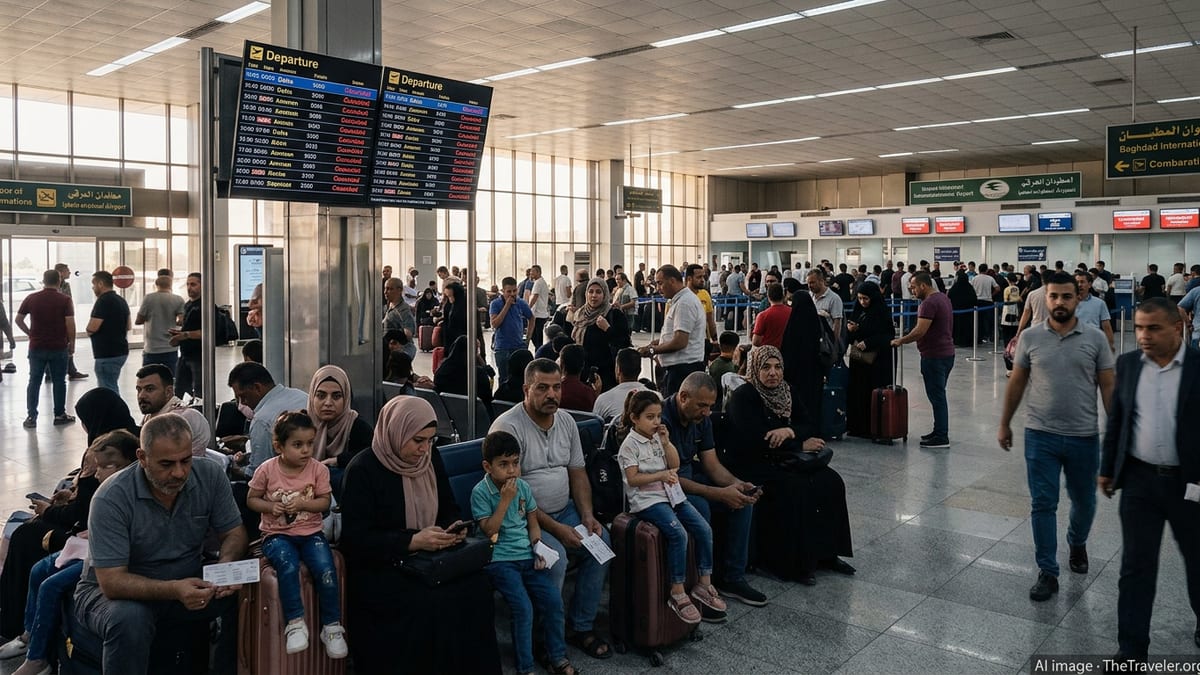
Ground Disruptions Hit Key Peruvian Hub
Jorge Chávez International Airport in Lima, Peru’s main air hub, has seen mounting disruption as Sky Airline adjusts operations and cancels selected services. Publicly available airport and flight-tracking data indicate that several Sky flights touching Lima have been withdrawn from schedules or canceled at short notice, complicating journeys for both domestic and international visitors who rely on the capital as a transit point to popular destinations such as Cusco.
Sky Airline Peru uses Jorge Chávez as its primary hub, with routes connecting Lima to major cities including Cusco, Arequipa and Iquitos. Recent cancellations have coincided with wider changes in the Peruvian aviation market, including higher airport charges, new fee structures and route reviews by multiple carriers. While airport management communications emphasize growth in overall traffic and connectivity, travelers flying low cost carriers such as Sky are encountering a very different reality on the ground when individual services do not operate.
Travel forums and social media posts from the past several days describe long lines at service desks, difficulty rebooking and confusion over compensation and accommodation when flights fail to depart as planned. Some passengers report missing onward international connections out of Lima after domestic segments on Sky were canceled or heavily rescheduled, underscoring the importance of the Lima hub for multi leg itineraries.
With May marking the start of the peak dry season for visits to the Andes and Machu Picchu, the timing of these operational challenges has heightened their impact. Many visitors book tightly coordinated itineraries to fit limited vacation windows, leaving little slack when a domestic carrier withdraws a flight from the schedule.
Lima–Cusco Corridor Sees High Profile Cancellations
The Lima to Cusco route is among the busiest in Peru and a critical link for travelers heading to Machu Picchu. Updated flight status boards and commercial tracking platforms show that specific Sky Airline services on this corridor have been canceled in recent days, including flight numbers operating between Jorge Chávez International Airport in Lima and Alejandro Velasco Astete International Airport in Cusco.
For example, data for Sky’s H25011 service from Lima to Cusco list the most recent operation, scheduled for May 11, 2026, as canceled. A corresponding Cusco to Lima flight, H25012, was scheduled for May 12, 2026 and is also recorded as canceled. Other Sky operations on the corridor, such as H25008 and H25026, continue to appear in schedules, but passengers report uncertainty over which departures will ultimately operate and which will be withdrawn closer to departure time.
These selective cancellations have a ripple effect that goes beyond individual flights. Travelers on group tours and organized excursions to the Sacred Valley often have ground transport, hotel stays and rail segments to Machu Picchu linked to specific arrival times in Cusco. When the inbound flight from Lima does not arrive, entire itineraries need to be reconfigured, often at significant additional cost.
Compounding the problem, reports from travelers indicate that alternative flights with other carriers between Lima and Cusco can sell out quickly, especially during peak hours in the morning and late afternoon. Those who booked with budget airlines to save on fares may find themselves paying far more for last minute tickets on competitors simply to reach their destination or to make a crucial international connection back in Lima.
Wider Route Adjustments and Airport Fee Pressures
The disruption on domestic routes comes against a backdrop of broader changes in the Peruvian aviation sector. In recent months, carriers operating from Jorge Chávez have reviewed their route portfolios in response to a unified airport usage fee structure, known locally as the TUUA, and changing demand conditions. Published coverage in Peruvian business media notes that multiple airlines, including low cost operators, have announced the suspension or closure of selected international routes from Lima after evaluating costs and yields.
Sky Airline has already confirmed the closure of its Lima to Cancun route at the end of March 2026, citing the economic impact of the new airport fee structure and additional entry requirements affecting Peruvian travelers. While this international withdrawal is separate from the latest domestic cancellations, analysts observe that it illustrates the financial pressure facing carriers operating from Jorge Chávez and may limit their flexibility to absorb irregular operations elsewhere in the network.
At the same time, official communications from the airport operator highlight record traffic growth, improved punctuality indicators and new international frequencies added by other airlines. This divergence between aggregate performance and individual carrier difficulties is increasingly visible to travelers who encounter full departure boards and new long haul options, yet struggle with reliability on lower cost domestic sectors linking Lima with tourist gateways such as Cusco.
Industry observers note that higher fixed costs at the hub encourage airlines to concentrate on routes and departure times with the strongest yields. Less profitable frequencies, often outside peak times or on heavily contested domestic routes, are more vulnerable to cancellation when carriers adjust capacity or respond to operational constraints such as crew availability or aircraft rotation issues.
Impact on Travelers and Practical Advice for Those Affected
The immediate impact of Sky Airline’s recent schedule disruptions has been felt most acutely by passengers stranded in Lima or Cusco, waiting for rebooking options or scrambling to secure seats with rival carriers. Accounts shared online describe travelers facing extended airport waits, last minute hotel expenses and uncertainty over whether they are entitled to refunds, vouchers or compensation.
Consumer advocates point out that the rights of air passengers in Peru depend on a combination of airline policies, ticket type and applicable regulations, which can be complex for foreign visitors to navigate. Many budget fares come with strict change and refund conditions even when flights operate normally, and travelers often discover the fine print only when things go wrong. Those who purchased travel insurance may have additional recourse, but it can take time to document disruptions and submit claims.
Practical guidance emerging from recent incidents suggests several steps for those currently booked on Sky routes within Peru. Travelers are being urged by online travel communities to monitor flight status repeatedly in the 24 hours before departure, rather than relying solely on original booking confirmations. It is also advisable to build in extra time between domestic and international segments through Lima, given the heightened risk of delays or cancellations on certain routes.
For passengers who are already stranded, available information indicates that promptly contacting the airline’s official support channels, documenting all expenses and exploring same day options with alternative carriers can improve the chances of salvaging onward travel plans. While these measures cannot prevent cancellations, they may reduce the cascading impact on complex itineraries that hinge on a successful transit through Jorge Chávez International Airport.
What This Means for Upcoming Trips to Peru
For travelers planning trips to Peru in the coming weeks and months, the situation with Sky Airline serves as a reminder to pay close attention to carrier choice, schedule flexibility and connection times when arranging domestic flights. The Lima to Cusco corridor remains well served overall, with multiple airlines operating throughout the day, but recent disruptions show that capacity can tighten quickly if one carrier pulls flights on short notice.
Travel planners advising visitors to Peru increasingly recommend booking critical domestic legs, such as those that link to long haul arrivals or departures, with flexible fares or on airlines that offer multiple daily frequencies. This can provide more options for rebooking in the event of a cancellation. Some operators also suggest arriving in Lima at least a day before a scheduled visit to Machu Picchu, rather than attempting a same day connection to Cusco, to create a buffer against unexpected changes.
At a broader level, the recent Sky Airline cancellations highlight the growing pains of a domestic market in transition, where low cost competition, changing fee structures and infrastructure expansion at Jorge Chávez are reshaping the choices available to travelers. As airlines continue to adjust networks and pricing, passengers connecting between Lima and Peru’s key regional cities may need to remain especially vigilant, checking schedules frequently and building additional resilience into their itineraries.
For now, the new wave of disruptions is a clear signal that even flagship routes such as Lima to Cusco are not immune to last minute changes. Anyone flying these corridors in the near term would be well advised to track developments closely and prepare backup plans in case further cancellations or ground service issues arise.