


More news on this day
Southwest Airlines stock extended a bruising slide this week, logging seven straight declines and erasing roughly 12 percent of its market value as investors react to cost pressures, fleet uncertainty and questions about the pace of domestic travel demand.
Get the latest news straight to your inbox!
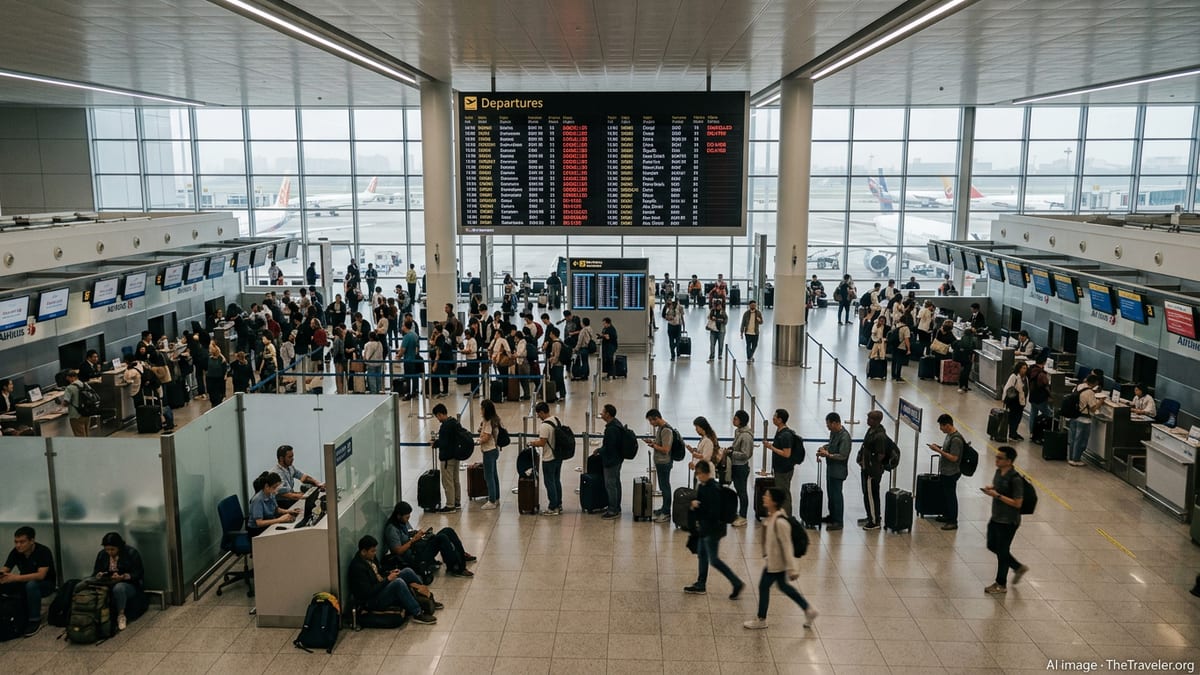
Seven Red Sessions Put Pressure on Southwest
The latest losing streak has pushed Southwest Airlines shares to their weakest levels in months, with the stock down about 12 percent over the past seven trading days. The retreat stands out in a U.S. market where major indexes have been relatively resilient, underscoring how quickly sentiment can shift around individual carriers.
Trading data indicates that the slide has been driven by a combination of profit taking after earlier gains and renewed concern about the company’s earnings trajectory. The recent drop follows a period in which airline stocks broadly experienced sharp swings tied to changing expectations for consumer spending, fuel prices and interest rates.
Market watchers note that short term losing streaks are not uncommon for airline names, which tend to move more sharply than the broader market. However, a run of seven consecutive down days is drawing added attention, particularly given Southwest’s status as one of the largest domestic carriers and a bellwether for U.S. leisure demand.
The decline has also pushed Southwest’s market capitalization lower relative to peers, reviving debates among investors about whether the stock now reflects a more cautious outlook or an overreaction to near term headwinds.
Cost Pressures, Labor Deals and Fleet Constraints
The renewed weakness in Southwest shares comes as the carrier navigates higher labor and operating costs. Recent union agreements and broader industry wage inflation have increased the company’s expense base, narrowing the cushion management has to absorb volatility in fuel prices or fares.
Analysts following the stock have pointed to concerns that Southwest may struggle to fully offset those higher costs through ticket prices, especially in a competitive domestic market. With multiple low cost and legacy carriers vying for price sensitive leisure travelers, the room to raise fares without losing share can be limited.
At the same time, the airline continues to grapple with uncertainty around aircraft deliveries. Industry coverage highlights that delays and production constraints affecting certain Boeing models have complicated capacity planning for several U.S. carriers, including Southwest, which relies exclusively on the Boeing 737 family. Reduced or slower than expected fleet growth can support pricing on some routes but may also cap revenue opportunities if demand remains healthy.
Publicly available financial filings show that Southwest has been investing in operational resilience and technology after high profile disruptions in recent years. Those investments, while aimed at improving reliability and protecting the brand, also weigh on near term margins and are being closely scrutinized by investors during earnings season.
Demand Outlook and Domestic Travel Trends
The selloff has unfolded against a mixed backdrop for U.S. air travel. Government and industry data indicate that passenger volumes remain relatively strong compared with pre pandemic levels, particularly for leisure itineraries. Yet there are growing questions about whether the pace of growth is moderating as consumers feel the effects of higher borrowing costs and persistent inflation in other parts of their budgets.
Southwest’s network is heavily weighted toward domestic and short haul flying, with a sizable share of its business tied to discretionary trips. That positioning helped the carrier rebound quickly when U.S. leisure demand surged, but it can also leave the airline more exposed if households begin to pull back on nonessential travel.
Recent commentary in equity research notes suggests that some investors are bracing for slower unit revenue growth across the sector in the coming quarters. For Southwest, that prospect is being weighed against its ongoing efforts to optimize its route mix, adjust capacity and refine its approach to corporate travel, which has not fully returned to pre pandemic patterns.
Any signs of softening bookings or moderating yields in upcoming traffic reports or earnings updates could influence whether the current slide proves temporary or signals a longer period of pressure on the stock.
How Southwest Compares With Airline Peers
While airline stocks often move as a group, the recent performance of Southwest has diverged at times from that of other major U.S. carriers. Some rivals with greater exposure to long haul international and premium cabins have benefited from strong demand on transatlantic and other overseas routes, offering a partial offset to domestic volatility.
Southwest, by contrast, is more tightly linked to U.S. internal travel trends and price competition on popular leisure corridors. As a result, shifts in domestic budget travel demand, changes in credit card rewards behavior, and the evolution of remote work policies can have a more direct impact on its revenue base.
Equity analysts tracking the sector have noted that Southwest’s balance sheet has historically been a relative strength, with manageable debt levels and a consistent focus on investment grade credit metrics. That financial profile provides some flexibility to navigate downturns, but it has not insulated the stock from short term swings in sentiment tied to earnings surprises or operational headlines.
Comparisons with peers are also being shaped by differing fleet strategies. Carriers that operate multiple aircraft types may have more options to adjust capacity across markets, while Southwest’s single fleet approach offers cost and training efficiencies but limits flexibility when one aircraft family faces supply constraints.
Investor Focus Turns to Upcoming Guidance
With seven straight red days now on the chart, attention is shifting toward Southwest’s next set of financial disclosures and management guidance. Traders and longer term shareholders alike are watching for updated commentary on cost trends, fleet plans and demand indicators as key catalysts for the stock.
According to recent brokerage reports, expectations are centering on whether the airline can outline a credible path to margin improvement while maintaining its reputation for low fares and customer friendly policies. Any revisions to capacity growth, capital expenditure plans or return of capital frameworks are likely to be closely parsed.
Volatility in the shares may remain elevated in the near term as the market digests new data and rebalances positions following the recent decline. Some investors may view the 12 percent pullback as an opportunity to add exposure at a discount, while others could remain cautious until there is greater clarity on how Southwest will navigate its current mix of cost and demand challenges.
For now, the seven day losing streak serves as a reminder of how quickly sentiment can shift in the airline sector and how closely investors are tracking the balance between growth ambitions and profitability for one of America’s best known low cost carriers.