


More news on this day
Southwest Airlines passengers faced mounting frustration in early June as a wave of delays at Dallas Love Field disrupted at least 75 flights, with Denver, Los Angeles and San Francisco among the cities seeing the most significant knock-on effects.
Get the latest news straight to your inbox!
Operational Strain at Southwest’s Dallas Hub
The disruption comes at the start of the busy summer travel period, when Southwest typically operates more than 200 daily departures from Dallas Love Field to dozens of domestic destinations. Publicly available airport and airline data show that Denver, Los Angeles and San Francisco sit among the highest-volume routes in the carrier’s Dallas network, magnifying the impact when schedules begin to slip.
Tracking services indicate that a combination of longer-than-planned turn times, rolling schedule adjustments and late-arriving aircraft has pushed a cluster of Love Field departures behind schedule in the first week of June. While some delays remained relatively minor, many stretched beyond an hour, creating missed connections and forcing flyers to rebook later in the day.
Industry watchers note that even short delays can cascade at a point-to-point carrier like Southwest, where aircraft often fly multiple legs per day across the country. Once early departures from Dallas depart late, subsequent flights into and out of Denver, Los Angeles and San Francisco are more likely to encounter schedule pressure as the aircraft tries to catch up.
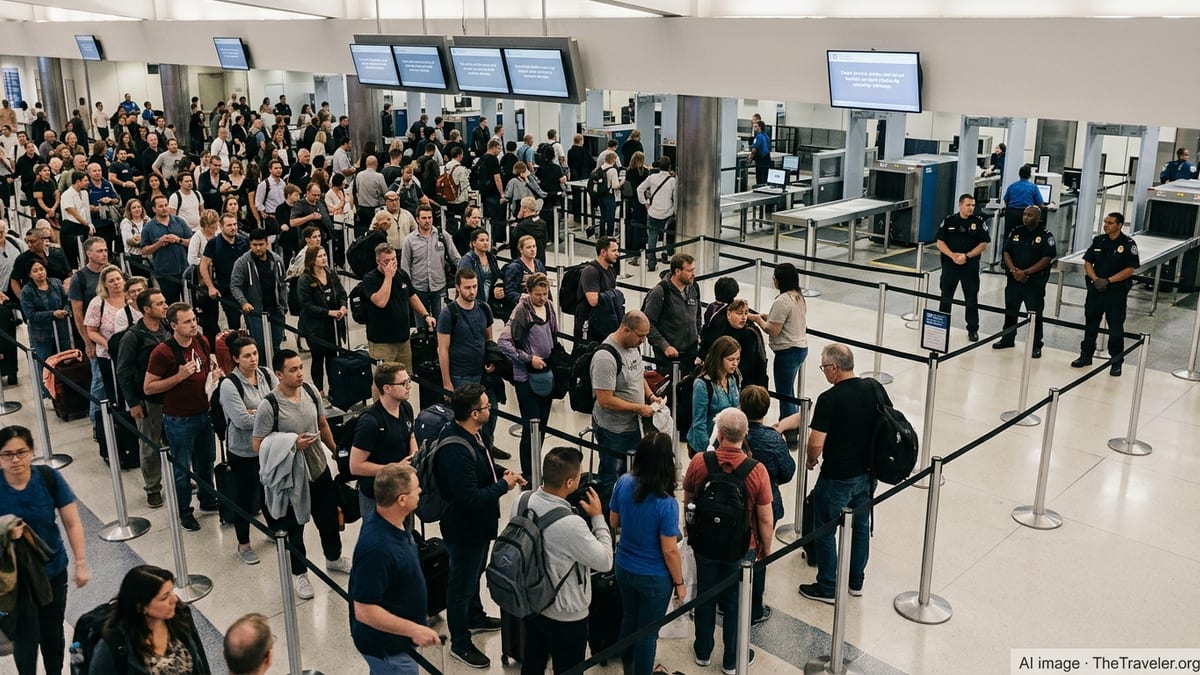
Travel forums and social media posts from passengers describe crowded gate areas at Love Field, with frequent updates to departure boards as Southwest adjusted timings. Some travelers reported being moved to alternative routings through other hubs when direct options to the West Coast and Rocky Mountain region became too heavily delayed.
Denver, Los Angeles and San Francisco Bear the Brunt
Denver, one of Southwest’s fastest-growing cities, appears to be among the hardest hit by the Dallas disruption. The airline’s schedule includes multiple daily nonstops linking Denver and Love Field, and delay data this month show several of those flights running late, at times by more than an hour. As Denver also feeds onward connections to the Pacific Northwest and Mountain West, the knock-on delays extended beyond the city itself.
Los Angeles, another critical spoke in the Southwest network, has also seen heightened disruption. Flight-tracking records for services between Dallas Love Field and Los Angeles International indicate multiple June departures departing well behind schedule, in some cases after earlier aircraft arrived late into Texas. Passengers connecting onward from Los Angeles to other California or West Coast destinations have reported tight or missed connections as a result.
San Francisco, served both through nonstop and one-stop itineraries from Dallas, has similarly experienced schedule volatility. Travelers flying via California report delayed arrivals that pushed them into peak evening hours, complicating ground transport plans and lengthening overall journey times. With San Francisco flights often operating near capacity in June, the room for rebooking onto later departures has been limited.
The concentration of delays on routes to Denver, Los Angeles and San Francisco is particularly challenging for business and leisure travelers who rely on early-day departures to maximize time at their destinations. When those flights push back late from Dallas, same-day meetings, cruise departures and onward international connections can be thrown off course.
Weather, Staffing and Summer Crowds Intersect
While no single cause explains each delay, several familiar pressure points are intersecting at the start of the summer season. Weather systems across Texas and the central United States have periodically slowed operations, with convective storms forcing temporary ground holds and reroutes that stretch block times and disrupt gate availability at Love Field.
In addition, traveler accounts and recent commentary about Southwest’s performance suggest that staffing and ground-handling constraints are also playing a role. Reports from frequent flyers describe longer boarding and deplaning times, extended waits for checked bags to be loaded or removed and repeated calls for volunteers to gate-check carry-on luggage, all of which can add minutes to already tight turn schedules.
High summer demand is compounding these operational challenges. June is traditionally one of the busiest months for domestic U.S. air travel, and load factors on Southwest’s Dallas routes are running high. Full flights leave less room to absorb irregular operations; when one leg runs late, there are fewer open seats on subsequent departures, making it harder to re-accommodate disrupted travelers quickly.
Aviation analysts point out that Southwest’s dense schedule at Love Field, combined with limited runway and gate capacity at the close-in airport, can make recovery from disruptions more difficult than at larger, multi-runway hubs. Once a series of flights slips behind schedule, bringing the operation back on time may require cancellations or significant retiming later in the day.
Impact on Passengers and Travel Planning
For passengers, the most immediate effect has been longer-than-expected travel days and disrupted itineraries. Flyers connecting through Dallas Love Field en route to Denver, Los Angeles or San Francisco have shared accounts of racing between gates, waiting in long customer-service lines and seeing departure times repeatedly adjusted in departure halls.
Some travelers have turned to same-day standby options or alternative routings via cities such as Phoenix, Las Vegas or Houston in an effort to bypass congestion on the most delayed Dallas runs. Others reported shifting to competing carriers where same-day options were available, particularly for time-sensitive trips with little scheduling flexibility.
Travel advisers recommend that passengers heading through Dallas in June build additional buffer time into their plans, especially when connecting to or from Denver, Los Angeles or San Francisco. Allowing several hours between flights, monitoring flight status throughout the day and being prepared with backup routing ideas can help reduce the risk of missed connections.
For those with critical events at their destinations, such as weddings, cruises or international departures, some experts suggest considering arrivals a day earlier than originally planned when traveling on these heavily affected routes. This approach can provide a margin of safety if Dallas-based delays continue to ripple across the network.
What to Watch for the Remainder of June
As June progresses, attention is likely to focus on whether Southwest can stabilize its operations at Love Field and ease pressure on Denver, Los Angeles and San Francisco services. Historical traffic data show that these markets are among the busiest in the Dallas network, making them essential to any broader recovery in on-time performance.
Industry observers will be watching for indications that the airline is adjusting its schedules, increasing block times on historically tight routes or adding spare aircraft and crews to support irregular operations. Any such changes could gradually reduce the volume of significantly delayed departures, even if they come at the cost of slightly longer scheduled travel times.
Passengers, in the meantime, are relying on real-time updates from airline apps, airport displays and flight-tracking services to navigate an unpredictable environment. Many are reshaping their strategies around Southwest travel through Dallas, including opting for early-morning departures that have a better chance of leaving on time and avoiding tight same-day connections between Love Field and the most delay-prone routes.
With the peak of the summer travel season still ahead, the performance of Southwest’s Dallas Love Field operation in the coming weeks will be closely watched by travelers and industry analysts alike. The experience of early June suggests that even a relatively contained disruption at a key hub can quickly spread across high-volume markets, especially when those markets include major destinations such as Denver, Los Angeles and San Francisco.