


Airport parking platforms like Way.com promise big savings and a smoother start to your trip. But before you lock in that bargain rate for your next flight out of JFK, LAX, or Chicago O’Hare, it pays to understand exactly how Way.com works, what is and is not guaranteed, and why reviews range from “saved me hundreds” to “never again.” This guide walks through what to expect before booking with Way.com, using real examples, so you can decide whether it fits your travel style and risk tolerance.
Get the latest updates straight to your inbox!
What Way.com Actually Is (and What It Is Not)
Way.com is a car services marketplace that pulls together parking, car washes, roadside assistance, and even auto insurance quotes in a single app and website. The service is widely used for airport parking in the United States, especially at big hubs like Los Angeles (LAX), San Francisco (SFO), New York’s JFK, Newark (EWR), and Chicago O’Hare (ORD). You enter an airport, hotel, or city location and Way.com shows nearby partner lots with daily or weekly rates, often significantly below the on-airport price.
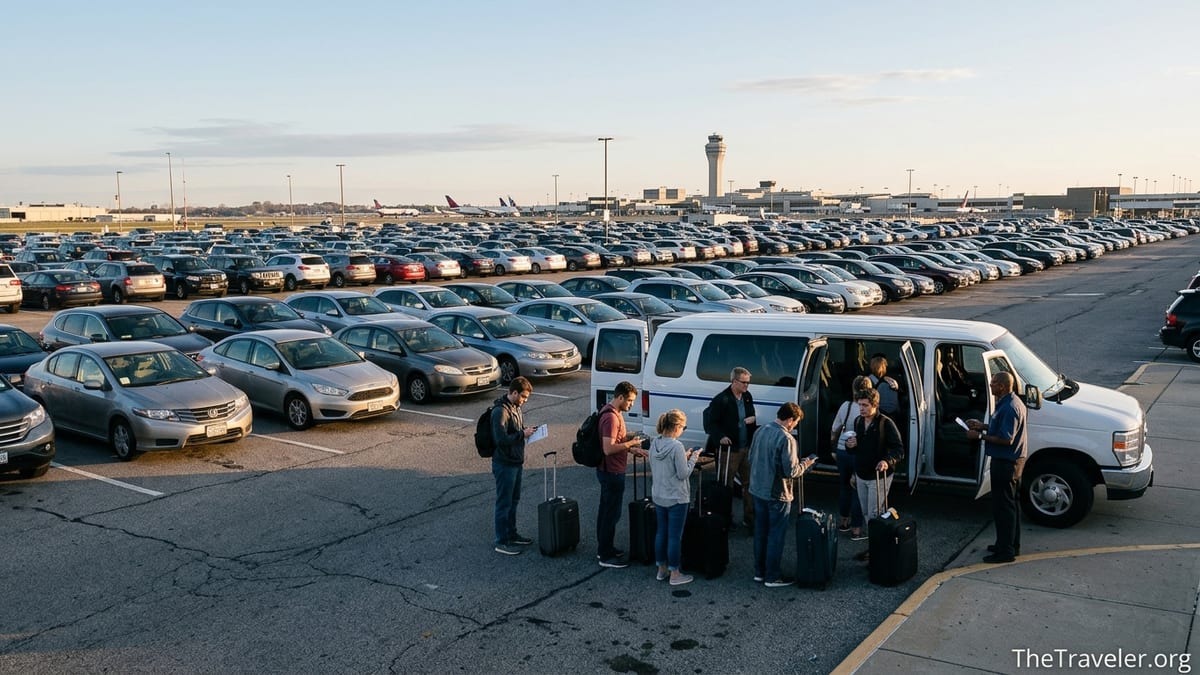
When you buy airport parking on Way.com, you are usually not buying a space in the airport’s own garage. In most cases you are purchasing a prepaid voucher for a third party: a nearby hotel lot or an independent off-airport parking operator that runs its own shuttle to and from the terminal. For example, a traveler flying from JFK might see offers at airport-adjacent hotels or private garages that include a shuttle every 15 to 30 minutes, rather than the official Port Authority parking structures.
This distinction matters. The airport does not control these facilities; your contract is effectively with the parking operator, facilitated by Way.com. That is why you will often see the same garage also listed separately on Google Maps or other parking apps, sometimes with different policies, shuttle hours, or pricing. Way.com provides the booking and customer support layer, but the day-to-day experience in the lot is handled by the local business.
Way.com presents itself as a large, established player in the parking space, reporting millions of users and significant savings on parking and related car costs. At the same time, it functions as a marketplace, which means the quality of your experience depends heavily on the specific partner lot you choose and how carefully you read the fine print before you pay.
How Pricing and “Deals” Really Work
One of the biggest draws of Way.com is price. It is not uncommon to see an off-airport hotel lot near a major airport listed for 30 to 70 percent less than parking directly in the terminal garage. For instance, in early summer you might find two weeks of uncovered parking near Seattle-Tacoma International Airport sold on Way.com for under 100 dollars, while the same 14 days in the airport’s long-term garage could easily run 250 to 300 dollars at the posted drive-up rate.
Those savings typically come from three factors: using lots with lower operating costs (like hotel overflow areas or surface lots rather than multi-level garages), requiring prepayment, and dynamic discounting via promo codes. At any given time there are often first-time user codes that shave around 5 to 10 percent off the total, and occasional location-specific codes, such as offers that apply only to airport bookings at certain hubs like ORD or ATL. Travelers who stack an app sign-up discount with a seasonal promo sometimes see an additional 10 to 15 dollars off a week-long stay.
However, there are trade-offs. Low daily rates sometimes exclude extras that show up as surprise charges at the lot. Typical examples include oversize vehicle fees for SUVs or trucks, valet-only surcharges, or mandatory service fees that were described only in the fine print. A traveler might book a week of parking for what looks like 9 dollars per day, then arrive and be told that an SUV surcharge of 15 to 20 dollars per day applies and must be paid on-site if they want to stay, putting them in a hard spot right before a flight.
Price also correlates loosely with convenience. The cheapest options on Way.com often involve longer shuttle rides, less frequent shuttle schedules, or basic surface lots with limited security features. A slightly more expensive partner garage may offer covered parking, 24-hour staffing, and shuttles every 10 to 15 minutes. Before you book purely on headline price, look at specifics like shuttle hours, expected transfer time, and whether the listing clearly states “self-park” or “valet only.”
What Recent Reviews Say: The Good and the Bad
Recent online reviews of Way.com are sharply mixed, which is exactly why it helps to set expectations before you book. On the positive side, many travelers report that they parked near airports like Denver, Dallas-Fort Worth, or Miami for half of what they would have paid on-site, with quick check-in and prompt shuttles. Typical success stories describe scanning a QR code at the gate, leaving the car in a marked self-park spot, catching a shuttle within 10 minutes, and returning to find the vehicle untouched and the escape process smooth.
Happy users often point out that their experience matched the listing: the shuttle ran 24/7 as advertised, staff knew how to handle Way.com reservations, and no extra fees were demanded on arrival. In those cases, the app functioned as a straightforward discount booking channel, no different from using a hotel aggregator to lock in a slightly lower rate on a room the night before a flight.
Negative reviews tend to cluster around a few recurring themes. Some travelers arrive to discover that the lot is full or appears unaware of their reservation, particularly at busy times like holiday weekends. In other cases, the traveler expected self-parking but on arrival is told the facility is valet only, which is stressful for people who are protective of their cars or have had poor valet experiences in the past. There are also complaints about surprise charges for larger vehicles, shuttle delays that stretch to 30 or 40 minutes, and in a smaller set of cases, disputes when a car is damaged in the lot.
Because Way.com acts as an intermediary, frustrated travelers sometimes find themselves bounced between the lot and the platform’s customer service, especially when seeking refunds or compensation for issues like denied entry, towing, or damage. While many complaints are eventually resolved, the process can take time and often requires persistent follow-up, which is worth keeping in mind if you are booking parking as part of a tightly scheduled trip.
How Reliable Are Reservations and Shuttles in Real Life?
When you book through Way.com, your confirmation usually states that your space is “reserved” for the time window you selected, along with details about check-in procedures and shuttle service. In practice, this works smoothly more often than not, but it is not as absolute as having a dedicated numbered space assigned to your license plate. Most partner lots oversell slightly based on average turnover, which is standard practice in the parking industry, and that can create rare but stressful edge cases when lots fill up faster than expected.
For example, on peak travel days around Thanksgiving or Christmas, a hotel lot near a major airport might be serving its own “park and fly” guests plus third-party bookings from Way.com and other apps. If the lot reaches capacity, staff may prioritize guests who booked parking directly through the hotel’s own package, and third-party reservations can become more complicated. Most of the time this just means extra time spent finding an open row, but in worst-case situations travelers report being turned away and told to seek a refund through the app later.
Shuttle reliability also varies by operator. Some lots run dedicated airport shuttles every 10 or 15 minutes around the clock; others operate only during posted hours or on demand, where you call after landing and wait outside the arrivals area. In cities with traffic-prone access roads, like Los Angeles or Miami, a supposedly short transfer can easily stretch if a single shuttle is making long loops at rush hour. If you are catching an early morning international flight, booking a lot with clearly advertised 24/7 shuttles and frequent departures is worth a small price premium.
The best way to judge real-world reliability is to cross-check the specific lot on independent platforms before you purchase. Put the lot’s name into Google Maps or a review site and look at recent traveler comments, especially from the last six to twelve months. Focus on mentions of “shuttle wait,” “full lot,” and “honoring Way.com reservations.” If you see multiple stories of people being sent elsewhere or waiting more than 30 minutes for pickup, consider choosing a different partner even if the advertised rate is slightly higher.
Fine Print, Fees, and Legal Context You Should Know
Like most travel intermediaries, Way.com relies on terms and conditions that can be easy to skim past when you are focused on getting your trip booked. Before paying, it is wise to read the sections on refunds, cancellations, oversize vehicles, and liability. Many listings are labeled partially or fully nonrefundable, particularly for same-day bookings or deep-discount rates. That means if your plans change or you decide to park elsewhere, you may receive only a credit, or nothing at all, even if you never pulled into the lot.
Vehicle type is a particular pain point. Some partner facilities explicitly charge more for trucks, large SUVs, or vans, and in a few cases recently travelers have reported being asked for substantial additional sums on-site because their vehicle exceeded the “standard” size assumed by the base rate. These surcharges may not always be obvious on the main booking screen, so scroll through the listing details looking for mentions of “oversize fees,” “height restrictions,” or “additional local charges.” If your vehicle is taller than a typical sedan, call the lot directly before your trip and ask what, if anything, you will owe at the gate beyond your Way.com prepayment.
Liability for damage and theft is another area where expectations can diverge from reality. Most off-airport lots, whether booked through Way.com or not, limit their responsibility in their posted terms, stating that customers park at their own risk except in very specific circumstances. If your car is scratched, dented, or broken into, especially in self-park facilities, you may have little recourse beyond your own auto insurance, even if you prepaid through an app. Some recent disputes highlight just how difficult it can be to assign responsibility when a partner hotel has limited camera coverage and the operator points to its posted disclaimers.
There is also evolving regulatory scrutiny around how parking marketplaces present information about partner lots. In at least one jurisdiction, authorities have raised concerns about reservations being offered at facilities that lacked proper local licensing. While these legal proceedings are still working their way through the system, they underline a key point for travelers: no app can entirely remove the need to do your own due diligence. Verifying that your chosen lot is a legitimate, established business with a clear street address and consistent reviews is a simple way to reduce risk.
Best Practices Before You Click “Book”
If you decide to use Way.com, a few practical steps can dramatically increase your odds of a smooth experience. Start by searching for your airport and then using filters and the map view to focus on lots within a reasonable shuttle distance. If you are flying early in the morning or landing late at night, prioritize facilities that explicitly state 24/7 shuttle service and have recent reviews mentioning quick pickups at those hours, not just during the day.
Next, treat each lot listing like a hotel choice rather than a commodity. Look at photos of the facility, note whether parking is covered or open-air, check for security details like lighting and fencing, and pay attention to how recent the last reviews are. If a garage has dozens of complaints in the past year about being overbooked or demanding cash surcharges, consider that a red flag even if the Way.com rating looks average.
Run a quick independent search for the specific lot name. For example, if Way.com lists “Airport Inn & Suites Park and Fly” with an attractive weekly rate, search that name in your browser and read Google, TripAdvisor, or consumer forum comments that mention airport parking. You might find that while the hotel’s overnight guests have mixed opinions on room quality, airport parkers consistently praise the shuttle and staff. Conversely, you may uncover multiple stories of cars being towed or denied entry when showing third-party vouchers, which should push you to choose another partner.
Finally, consider your timing and personal risk tolerance. If missing your flight would be a major catastrophe, build in extra margin: arrive at the lot 30 to 45 minutes earlier than you would if you were parking in the airport’s own garage. That way, even if check-in takes a bit longer or you wait for a shuttle, you still have a comfortable buffer at security.
What to Expect From Customer Support and Refunds
Way.com provides customer support through phone, email, and in-app channels, and many travelers do get help rebooking or securing partial refunds when things go wrong. For instance, if a QR code scan fails at the gate but the lot has space, staff can often manually admit you while you contact Way.com for a code resend or billing confirmation. Similarly, if a partner lot cancels service unexpectedly, the platform may assist in moving your reservation to an alternative facility nearby, especially at large airports with multiple partners.
However, because Way.com sits between you and the parking operator, customer service can sometimes feel slower or less decisive than dealing directly with a single company. If you arrive and are turned away despite a confirmation, the lot may insist it has no obligation to honor the booking and tell you to “take it up with Way.com.” The platform, in turn, will likely need to verify the details with the operator before issuing any refund or credit, which can take days rather than minutes.
The same dynamic applies in damage or towing disputes. Lots typically argue that any issues fall under their posted policies and disclaimers, while travelers who booked through Way.com expect the marketplace to advocate strongly on their behalf. In practice, outcomes vary case by case, and communication trails matter. If the worst happens, you are in a better position if you have photos of the lot signage, the condition of your car at drop-off and pickup, and any written statements the lot made when you reported a problem.
To improve your odds of a favorable resolution, document your experience from the moment you arrive. Take a quick photo of your car in its space showing the surroundings, grab a picture of the posted rates and rules, and save your digital confirmation where it is easy to pull up. If staff gives you instructions that differ from what your voucher says, ask them to write it on the claim ticket or send a brief email. These small steps can make a significant difference if you later need to dispute charges or seek compensation.
The Takeaway
Booking airport parking through Way.com can be a smart way to cut costs, especially at major U.S. airports where on-site garages charge premium rates. Many travelers park without incident, enjoy quick shuttles, and pocket meaningful savings that can go straight toward trip expenses. The platform’s wide selection, frequent promo codes, and simple app interface make it attractive for budget-conscious flyers and frequent travelers alike.
At the same time, Way.com is a marketplace, not a single parking company, and that brings variability. The experience you have in a well-rated, long-established partner garage with 24/7 shuttles and clear policies can be excellent. A poorly reviewed lot with ambiguous terms and aggressive surcharges can turn the start or end of your trip into a headache. The key is understanding that your contract involves both the app and the local operator and planning accordingly.
If you are willing to do a bit of extra homework on the specific lot, double-check the fine print, and build some extra time into your airport routine, Way.com can deliver substantial value. If ultimate predictability and minimal friction matter more than price, you might still prefer to pay extra for the airport’s own parking or book directly with a hotel’s park-and-fly package. Knowing these trade-offs ahead of time will help you choose the approach that best fits how you like to travel.
FAQ
Q1. Is Way.com a legitimate company for booking airport parking?
Way.com is a long-running car services marketplace that partners with hotels and private parking operators to sell prepaid parking, especially around major U.S. airports. It is widely used and not considered an outright scam, but service quality depends heavily on the specific partner lot you choose and how carefully you review its policies before booking.
Q2. How does Way.com compare to booking airport parking directly with the airport?
Booking directly with the airport usually costs more but tends to offer the most predictable experience because the lot is on-site and run by the airport authority. Way.com typically lists off-airport lots with lower daily rates and shuttle transfers. You can often save a substantial amount, but you accept more variables such as shuttle timing, distance from the terminal, and differences between operators.
Q3. Can my Way.com parking reservation be refused when I arrive?
In most cases lots honor prepaid reservations, but it is not impossible to be turned away during very busy periods if the facility is overfull or there is a misunderstanding. To reduce this risk, choose lots with strong recent reviews, arrive early, and keep your confirmation ready. If you are refused, contact Way.com as soon as possible to document the situation and request assistance or a refund.
Q4. What happens if my car is damaged or broken into while parked through Way.com?
Liability for damage or theft is usually governed by the individual lot’s posted terms, which often limit responsibility and may state that vehicles are parked at the owner’s risk. Way.com can help facilitate communication, but compensation is not guaranteed. Take photos of your car at drop-off and pickup, report any issues immediately to the lot and to Way.com, and check whether your personal auto insurance covers damage in parking facilities.
Q5. Are there hidden fees or surprise charges I should watch for?
Some partner lots charge extra for large SUVs, trucks, or vans, and a few add local fees or valet surcharges that may not be obvious on the first screen. Before booking, read the listing details and terms carefully, looking for notes about oversize vehicles, valet-only service, or “additional fees payable at the lot.” If anything is unclear and you drive a larger vehicle, call the facility in advance.
Q6. How flexible are Way.com bookings if my flight plans change?
Flexibility depends on the rate type and lot policy. Some reservations are fully refundable up to a certain cutoff time, while others are partially refundable or nonrefundable. Check the cancellation section of the listing before you pay. If your airline changes your flight, contact Way.com promptly; in some cases they may help adjust your booking or provide a credit, but this is not automatic.
Q7. How early should I arrive at a Way.com lot before my flight?
Give yourself more time than you would when parking directly at the airport. Many travelers aim to arrive at the lot 30 to 45 minutes earlier than their usual airport arrival time. This buffer covers check-in, shuttle wait times, and possible traffic between the lot and the terminal, especially at big hubs or during peak travel seasons.
Q8. Can I earn loyalty points or rewards by using Way.com?
Way.com periodically runs promotions, discounts, or referral offers, and some users receive targeted promo codes by email or through partner channels. While it does not function like a traditional airline or hotel loyalty program, frequent users can often save more over time by stacking app-specific discounts with general coupons when available.
Q9. How can I tell if a specific Way.com lot is trustworthy?
Look beyond the rating shown in the app. Search the lot’s name independently and read recent reviews on mapping platforms or traveler forums. Pay close attention to comments about honoring third-party reservations, shuttle reliability, security, and staff responsiveness. Lots with consistent, detailed positive feedback over the past year are usually a safer bet than those with few or very mixed recent reviews.
Q10. What are the main alternatives to using Way.com for airport parking?
Alternatives include parking directly at the airport, booking a hotel park-and-fly package that includes several days of parking with a pre- or post-flight stay, or using other parking marketplaces and apps. In many cities you can also search for long-term parking garages or independent lots near the airport and book with them directly. Comparing two or three options for your dates and airport will give you a clearer sense of the trade-offs in price, convenience, and risk.