


More news on this day
A woman was injured Tuesday morning in Santa Rosa when a Sonoma-Marin Area Rail Transit (SMART) train collided with a vehicle at a rail crossing, disrupting commuter service and drawing renewed attention to rail safety in the North Bay corridor.
Get the latest news straight to your inbox!
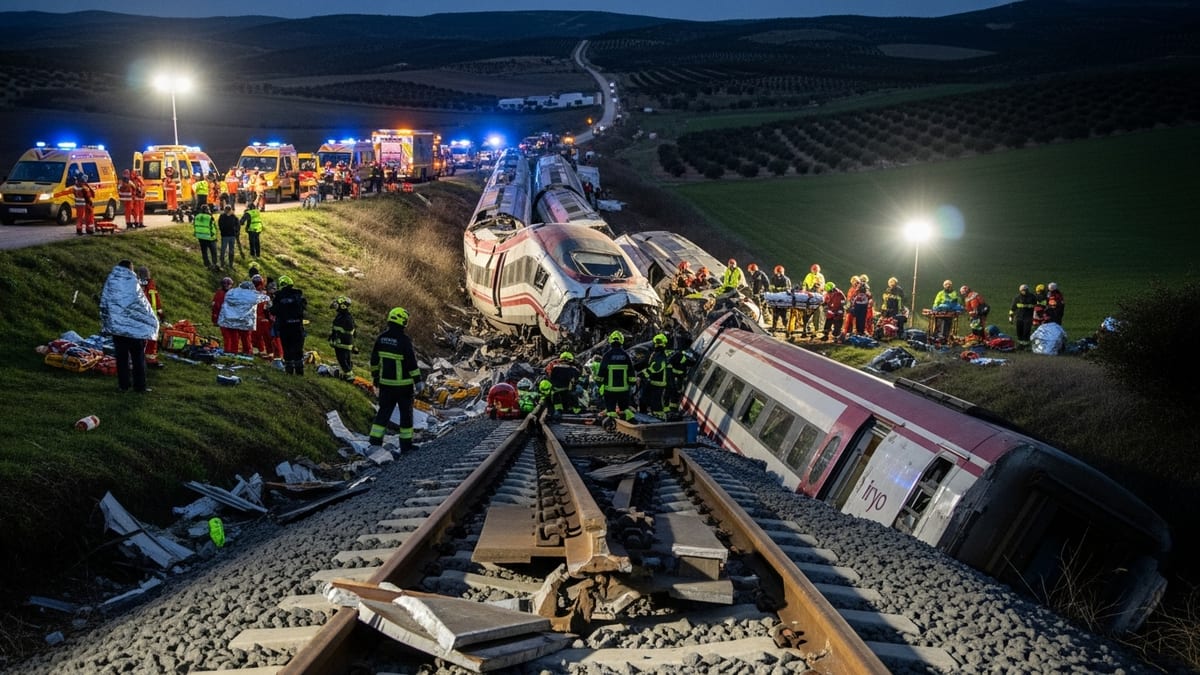
Tuesday Morning Collision Near Santa Rosa Crossing
Initial reports indicate the collision happened during the morning commute period at a rail crossing on the SMART line within the Santa Rosa area. Publicly available information describes a vehicle entering the crossing area as a northbound SMART train approached, resulting in a significant impact that left the vehicle heavily damaged and the woman inside injured.
Local coverage describes an emergency response that included medical crews and law enforcement, with rail traffic in the vicinity temporarily halted while first responders attended to the scene. The woman was transported from the crossing area for further medical evaluation. No serious injuries among train passengers or crew have been highlighted in early summaries of the incident.
Early accounts suggest the train remained on the tracks after the crash, but rail operations were delayed as the site was cleared and inspected. Commuters reported service interruptions and modified schedules while the collision was investigated and debris was removed from the right of way.
Details about the woman’s condition, the exact speed of the train, and the specific circumstances that led to the vehicle being on the tracks have not yet been fully described in public reports. Further information is expected as agencies complete preliminary reviews and release formal summaries of the crash.
Impact on SMART Service and Commuter Delays
The collision prompted delays along the SMART corridor serving Santa Rosa and neighboring communities. Passengers shared accounts of halted or slow-moving trains as dispatchers adjusted operations to route traffic safely around the affected stretch of track and protect personnel working at the scene.
According to published coverage, some trains were held at nearby stations while crews assessed the condition of the tracks, crossing equipment, and train involved. In similar North Bay rail incidents, trains have often resumed service once debris is cleared and key systems are inspected for damage, though full schedule normalization can take several hours.
Commuters who rely on SMART as a daily link between Sonoma and Marin counties experienced longer travel times and in some cases were advised to seek alternate transportation. Information services typically provide updates through station announcements and digital platforms during such disruptions, though early-morning incidents can create uncertainty for riders already en route.
The collision adds to a series of recent transportation interruptions in the region that have involved rail and roadway incidents, highlighting the continued sensitivity of North Bay commute patterns to unexpected disruptions at key choke points.
Ongoing Investigation and Safety Questions
Investigators customarily focus on several factors after a collision of this type, including the functioning of warning gates and signals, train speed, visibility at the crossing, and the behavior of roadway users approaching the tracks. Publicly available documents from prior SMART-related cases show that safety reviews often include data from onboard recorders and signal system logs, as well as witness statements and physical evidence from the scene.
Reports indicate that inquiries typically examine whether crossing arms were fully lowered, whether lights and bells were active, and whether the driver attempted to go around the gates or became trapped on the tracks. In some past North Bay incidents involving commuter trains, investigators have identified driver actions at gated crossings as a central issue, though each case presents its own circumstances.
Once preliminary findings are compiled, transportation agencies usually review whether additional engineering, signage, or public outreach measures are warranted at specific crossings. In some earlier SMART corridor events, discussions have focused on visibility, approach speeds, and the need to discourage motorists and pedestrians from attempting to bypass warning systems when a train is approaching.
Any recommendations arising from the latest collision are likely to feed into broader safety planning already underway along the SMART route as the rail system continues to expand service and attract new riders.
Rail Safety Concerns in the North Bay Corridor
The Santa Rosa collision fits into a broader pattern of safety concerns that have surrounded the SMART line and other regional rail operations since service began. Historical records show a mix of vehicle, pedestrian, and cyclist interactions with trains along the corridor, prompting ongoing debate about how best to protect people at crossings that intersect busy local roads.
Transportation safety advocates frequently highlight the dangers of attempting to beat trains at crossings or ignoring lowered gates. Even at moderate speeds, the weight and braking distance of a commuter train create a significant risk of severe injury or death when a collision occurs. Public information campaigns in the North Bay have repeatedly urged drivers, cyclists, and pedestrians to treat warning devices as absolute stop signals and to remain well clear of tracks until gates are fully raised and lights are off.
Engineering improvements, including upgraded gates, additional signage, and better lighting, have been implemented at various locations along the SMART route in recent years. However, collision data from across California suggest that human behavior remains a central factor in many train-related crashes, particularly at gated crossings where physical protections are already in place.
The latest incident near Santa Rosa is likely to renew local conversations about whether further steps are needed, such as enhanced enforcement at crossings, expanded public education, or infrastructure changes that limit opportunities for drivers to circumvent gates.
Community Response and Next Steps
As news of the collision spread, community discussions online and in local forums reflected a mix of concern for the injured woman, frustration over commute delays, and renewed debate over shared responsibility at rail crossings. Residents often point to earlier North Bay rail incidents as reminders of the stakes when vehicles and trains intersect on constrained urban corridors.
Publicly available information suggests that transportation officials and local governments will continue to review both the immediate circumstances of the crash and any broader implications for safety policy. In past cases, findings from such investigations have led to targeted improvements at specific crossings, as well as updated guidance for motorists and pedestrians.
For riders, the Santa Rosa collision serves as another reminder of how a single incident can ripple through an entire commute network, from schedule disruptions to heightened anxiety about rail travel. For drivers and other road users, it underscores the importance of approaching train crossings with caution, recognizing that gates, lights, and bells are designed to provide a margin of safety that disappears quickly once a train is near.
Further updates on the woman’s condition, the progress of the investigation, and any operational changes to SMART service are expected to emerge in the coming days through regional news outlets and official public information channels.