


More news on this day
Heavy fog around Auckland Airport has caused widespread disruption to domestic and trans-Tasman services, with scores of flights delayed, diverted or cancelled as low visibility affected operations through the busy morning peak.
Get the latest news straight to your inbox!
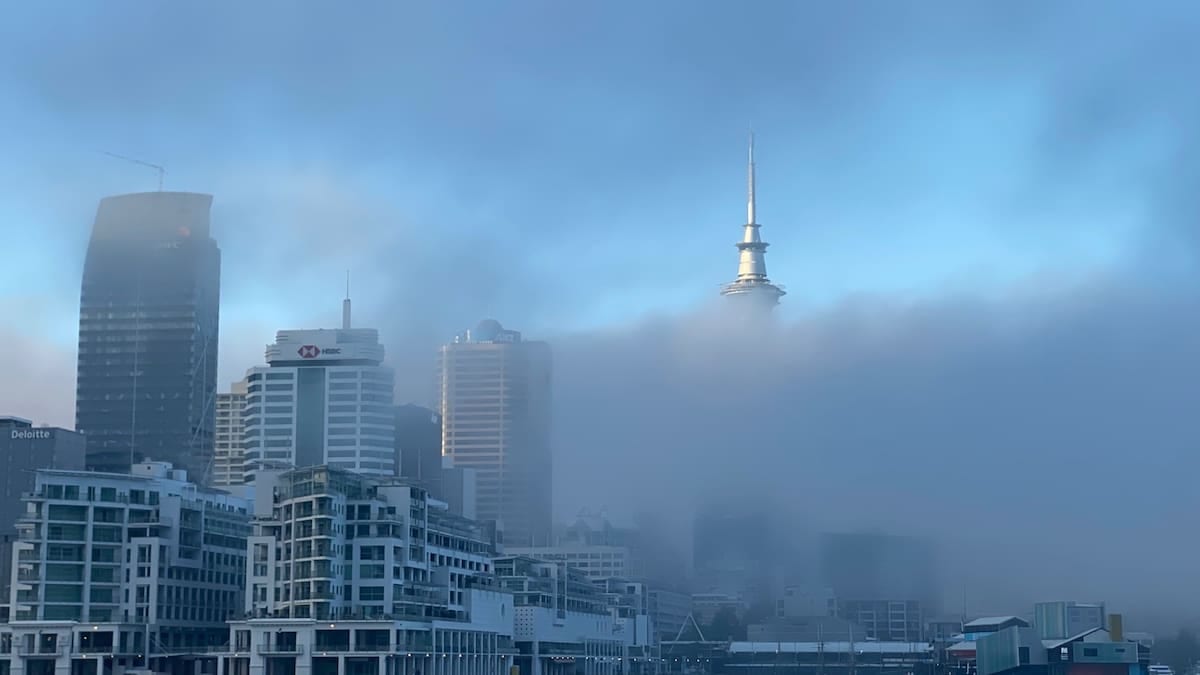
Visibility drops as peak-hour schedule stalls
According to live airport departure and arrival boards early Tuesday, a large share of morning flights in and out of Auckland showed delayed or cancelled status as dense fog settled over the region. The disruption built during the first wave of departures, when reduced runway visibility meant aircraft were held at gates or left waiting for clearance.
Publicly available flight tracking data indicates that short-haul domestic sectors bore the brunt of the disruption, particularly links between Auckland and centres such as Wellington, Nelson and Dunedin. Several services were first pushed back repeatedly before being scrubbed from the schedule altogether, creating knock-on effects for later rotations.
As conditions slowly improved, some mid-morning departures were able to leave close to schedule, but residual delays remained visible across a range of carriers and routes. Travellers connecting from regional flights to international services faced added uncertainty as airlines worked to rebook passengers and re-time aircraft.
Airport operations information shows that while the main runway remained technically available, instrument conditions limited movements and forced a reduction in overall traffic flow until visibility rose to safer operating thresholds.
Domestic network and regional links hardest hit
The immediate impact was most visible across New Zealand’s tightly timed domestic network, where aircraft typically operate multiple legs each day. When early Auckland departures to regional centres were unable to leave as planned, the aircraft and crews scheduled to operate later flights were no longer in the right place, amplifying the disruption.
Published flight histories for selected services between Auckland and southern cities show arrival times stretching significantly beyond schedule, highlighting how even relatively short delays in the morning can cascade into the afternoon. Some regional passengers reported through social media that they arrived to find their flights listed as cancelled after several hours of rolling delay estimates.
Weather-related fog disruptions are a recurring challenge for New Zealand’s aviation network during cooler months. Transport performance updates in recent years have highlighted seasonal fog around key hubs as a consistent contributor to lower on-time departure rates, particularly on morning services.
Travel industry observers note that regional routes are especially vulnerable, as there are fewer alternative services and less spare capacity to absorb disrupted passengers. When early flights in and out of Auckland are cancelled, options for same-day rebooking can quickly narrow, especially during school holidays or busy business-travel periods.
Trans-Tasman and long-haul knock-on effects
While domestic services experienced the most direct impact, the fog also affected selected trans-Tasman and medium-haul flights that rely on aircraft positioning through Auckland. Publicly accessible status boards showed some Australia-bound departures leaving later than planned as crews and aircraft arrived behind schedule from earlier disrupted domestic sectors.
Flight tracking websites recorded instances where inbound long-haul flights held in the air while visibility at Auckland fluctuated, adding to overall journey times and creating tighter turnaround windows on the ground. Extended holding patterns increase fuel burn and can require additional checks once aircraft are on stand, further slowing the recovery of the schedule.
For passengers connecting onward from Auckland to overseas destinations, the combination of delayed arrivals and reduced departure slots increased the risk of missed connections. Airlines responded by moving some travellers onto later services where seats were available and, in some cases, by rerouting via other hubs within their networks.
Travel advisories from carriers and airport channels throughout the morning urged passengers to monitor their flight status before leaving for the airport and to allow extra time for check-in and security, given the backlog of disrupted travellers.
Why fog is so disruptive for Auckland operations
Auckland’s coastal geography and cooler-season temperature inversions can create ideal conditions for radiation fog, particularly overnight and in the early morning. When dense low cloud forms over the airfield, pilots and air traffic controllers must rely heavily on instrument procedures, which restrict the rate at which aircraft can safely land and take off.
Current publicly available information on airport infrastructure indicates that while Auckland is equipped with instrument landing systems, not all runways or aircraft types can operate at very low visibility levels. This means that during severe fog events, the number of movements per hour is reduced, and certain services may not be able to operate until visibility improves beyond specified minima.
Aviation performance data from New Zealand’s transport sector has repeatedly cited weather, including fog, as a major factor driving delay statistics. The combination of constrained runway capacity, crew duty limits and tightly scheduled fleets means that once the morning pattern is disrupted, airlines face an intricate operational puzzle to restore normal service.
Safety requirements leave limited room for flexibility. If visibility drops below defined thresholds, landings and departures are postponed regardless of congestion or passenger demand, a reality that can be frustrating for travellers but remains central to risk management in commercial aviation.
What affected passengers can expect
Consumer guidance in New Zealand generally distinguishes between disruptions outside an airline’s control, such as severe weather, and those caused by operational or maintenance issues. Fog typically falls into the first category, which can limit obligations for compensation while still requiring airlines to provide rebooking options or refunds according to their own conditions of carriage.
Travel rights information published by local consumer organisations advises passengers to keep all booking confirmations, boarding passes and receipts for essential expenses, and to contact their airline or travel agent as the primary point of reference when flights are cancelled or heavily delayed. Travel insurance policies may also include specific provisions for weather-related disruption.
On days of heavy fog, airport and airline channels commonly recommend that travellers check flight status frequently, sign up for text or app alerts where available, and consider carrying essentials such as medications, chargers and snacks in cabin baggage in case of extended waits. For those with tight connections, opting for longer minimum connection times or earlier departures can provide a buffer against unforeseen delays.
As skies cleared over Auckland later in the day, published flight data showed the schedule gradually stabilising, although some residual delays and isolated cancellations remained. With winter conditions continuing, transport analysts suggest that travellers passing through the country’s busiest airport should be prepared for further weather-related disruption in the weeks ahead.