


More news on this day
A thick blanket of fog rolling across Auckland on Tuesday morning forced widespread delays and cancellations at Auckland Airport, disrupting domestic connections and several regional links as visibility temporarily dropped below safe operating thresholds.
Get the latest news straight to your inbox!
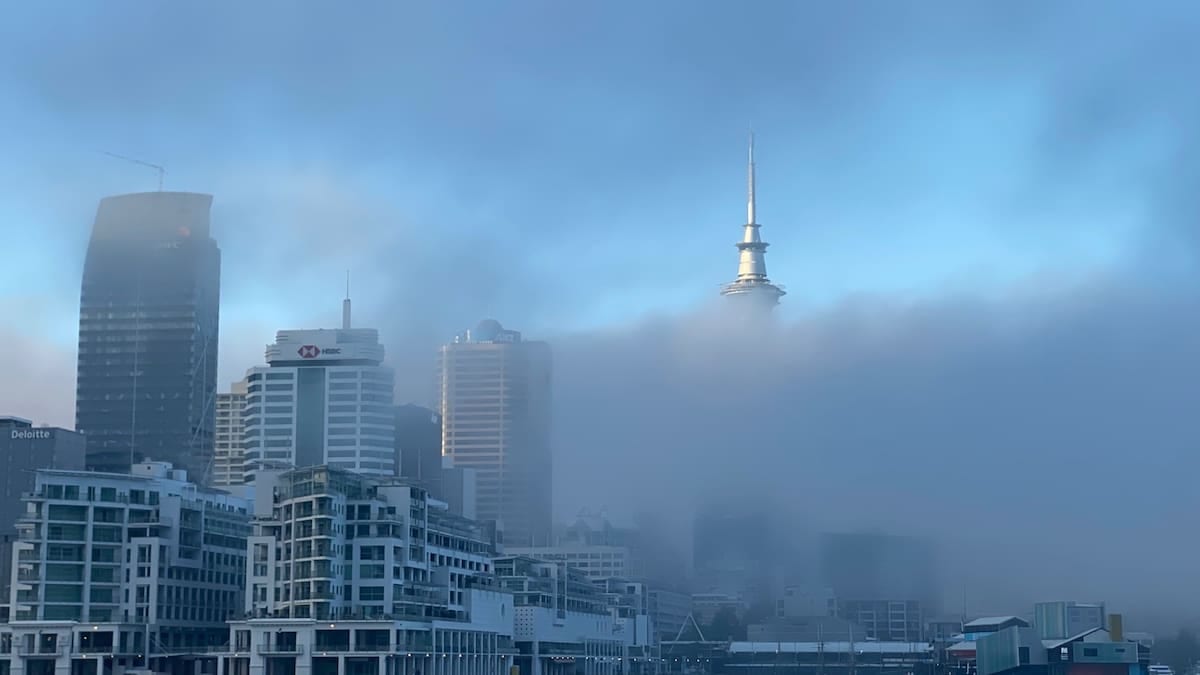
Low visibility leads to grounded aircraft and diversions
Flight-tracking boards for Auckland on Tuesday showed a wave of delayed departures and arrivals across the early morning peak, with a number of regional services marked as cancelled as the fog settled over the Manukau Harbour and surrounding suburbs. Publicly available flight data indicated that several early arrivals were placed into holding patterns before being delayed, while some services opted to wait at origin airports until conditions improved.
According to published coverage and airline updates, the heaviest disruption was concentrated in the first part of the day, when visibility on approach to Auckland’s main runway fell below the levels typically required for regular operations. While some jet services were able to operate with delays once conditions marginally improved, smaller turboprop and regional flights were more vulnerable to cancellation or extended holds.
Reports from recent weeks also highlight a pattern of weather-linked interruptions at Auckland, with dense morning fog occasionally forcing aircraft to divert to other New Zealand airports or delay departures until mid-morning. These episodes underline how quickly coastal conditions in the region can shift from clear skies to sudden low cloud and thick fog banks.
As the fog gradually lifted, schedules began to recover, but the early bottleneck rippled through the network for much of the day, leaving later services departing behind schedule and affecting onward connections across the domestic system.
Knock-on impacts for domestic and regional travellers
The latest fog episode created particular challenges for travellers using Auckland as a hub for onward domestic flights. Based on airline timetables and airport information screens, services linking Auckland with regional centres such as Wellington, Queenstown and a number of North Island destinations experienced rolling delays as aircraft and crew were repositioned.
Publicly available information shows that some passengers arriving from regional centres were advised to expect missed connections and potential overnight stays if the fog-related disruption extended. In several cases, travellers discussed rebooking onto later departures or switching to alternative routes through other New Zealand airports to bypass the congestion building around Auckland’s main runway.
Regional flights are especially exposed when fog hits Auckland in the early morning, as they typically rely on tight turnarounds and single-aircraft rotations. When an aircraft or crew becomes out of position because it cannot land or depart on time, subsequent flights on that rotation may cascade into further delays or cancellations throughout the day.
The timing of Tuesday’s fog, arriving during one of the airport’s busiest periods for domestic movements, increased the risk of missed business appointments, disrupted holiday plans and unexpected additional accommodation and transport costs for affected travellers.
Weather-driven disruption a recurring challenge for Auckland
New Zealand aviation performance statistics indicate that seasonal weather patterns, including fog and low cloud, regularly contribute to flight delays and cancellations at major gateways, with Auckland particularly susceptible during colder months. Government transport reports on airline punctuality have previously cited fog as a leading factor behind on-time performance dips across domestic networks.
Published analyses of recent seasons note that while overall reliability remains high, clusters of delays frequently coincide with episodes of dense coastal fog around Auckland and other North Island airports. These events can form quickly overnight when cool air interacts with moist maritime conditions, leaving airlines and passengers facing substantial schedule changes in a short window.
For carriers, such weather-related interruptions typically fall outside their direct control, limiting the extent of compensation or alternative transport obligations under prevailing consumer guidelines. However, the accumulation of fog-affected mornings adds pressure on airlines to fine-tune schedules, improve communication and build more flexibility into crew and fleet planning during peak risk periods.
From the airport’s perspective, managing recurring fog events has become a central part of operational planning. Investments in navigation aids, runway lighting and airfield monitoring are intended to support safe operations when conditions deteriorate, but safety standards still require aircraft to remain grounded or diverted when visibility drops below defined thresholds.
Passengers face queues, rebookings and shifting consumer rights
As with previous fog episodes in Auckland, Tuesday’s disruption translated into long queues at airline service desks, busy call centres and heavy use of airline apps as passengers sought to rebook or secure refunds. Accounts shared across public forums in recent weeks have described similar scenes, with travellers navigating complex itineraries and limited spare capacity on later flights.
Consumer advocacy information available in New Zealand highlights an important distinction between weather-related disruption and delays caused by mechanical or staffing problems. When cancellations are primarily due to fog, passengers are generally entitled to rebooking or a refund of the unused portion of their ticket, but broader compensation for accommodation or incidental costs is usually more limited compared with events considered within airline control.
For many travellers, the practical impact is the same: disrupted plans, added expense and uncertainty about when they will reach their destination. Travel insurers often encourage policyholders to retain receipts for food, hotels and alternative transport arranged during weather-related delays, as these may later support claims under trip interruption or travel delay benefits.
Industry observers note that as weather volatility increases and aviation networks operate closer to capacity, even relatively short-lived fog events can quickly expose gaps in resilience. The scenes at Auckland on Tuesday echo similar disruptions recently reported at airports in other parts of the world, where bouts of dense fog have grounded aircraft, stretched staffing resources and tested passenger patience.
Airlines and airport refine plans ahead of further winter weather
With the winter season continuing, airlines operating through Auckland are expected to keep monitoring early morning conditions closely and adjusting schedules where necessary to reduce the risk of major knock-on effects. Timetable tweaks, including slightly later first departures and longer ground times between flights on high-risk days, are among the strategies that can provide a buffer when fog forms quickly.
Publicly available operational updates indicate that carriers are leaning more heavily on digital channels to keep passengers informed, encouraging travellers to confirm flight status before leaving for the airport and to use mobile apps or websites to manage changes when weather threatens to disrupt operations.
Airport planning documents and disclosures emphasise a longer-term focus on improving airfield infrastructure, airspace management and data tools to better anticipate and respond to low-visibility events. While such measures cannot prevent fog from forming, they can help ensure that once conditions improve, aircraft movements ramp up quickly and safely to clear backlogs.
For passengers, Tuesday’s fog-affected schedules at Auckland serve as another reminder of the value of flexible travel arrangements during winter, including allowing extra time for connections, considering travel insurance and staying alert to forecast changes that can transform an ordinary morning flight into an extended wait in the terminal.