


More news on this day
Spain is recasting Mallorca as a “budget-luxury” escape, with new tourism analysis pointing to a growing segment of travelers booking private boats, sea adventures and curated sunset parties without the traditional five-star price tag.
Get the latest news straight to your inbox!
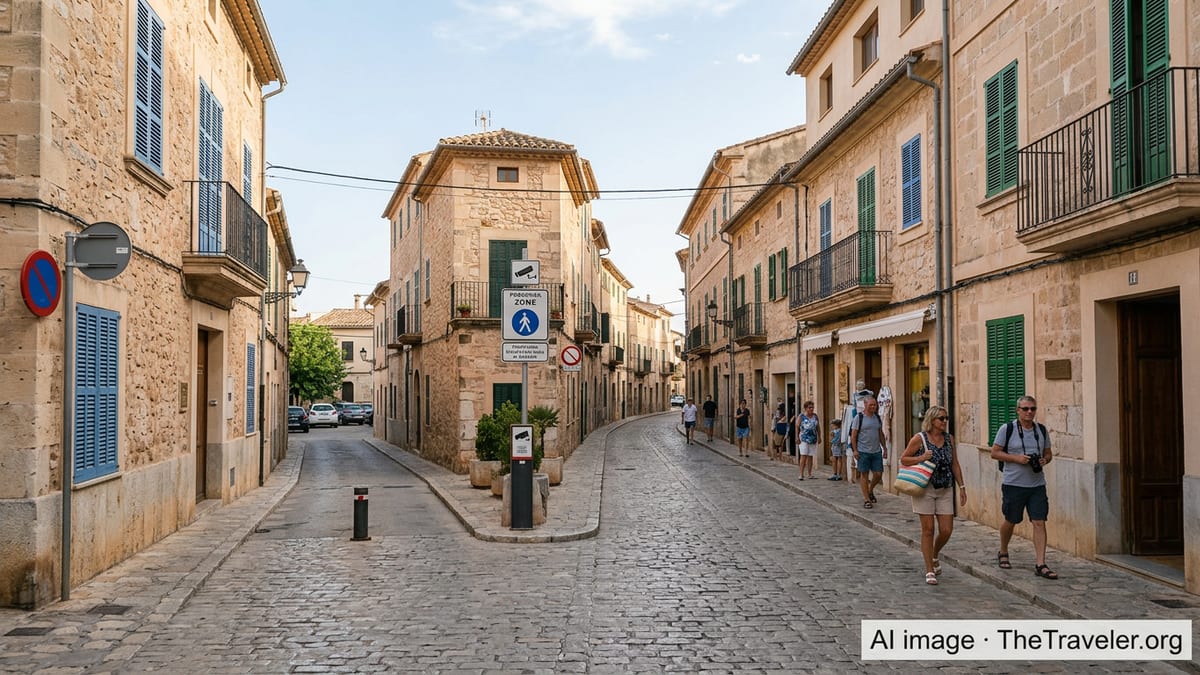
Mallorca Targets Midrange Travelers Seeking Luxury Touches
Recent tourism reporting shows Mallorca consolidating its position as one of Spain’s most in-demand island escapes, but with a notable shift in how visitors choose to spend. Rather than limiting premium experiences to top-end resort guests, a rising cohort of midrange travelers is selectively investing in private or semi-private boat days, guided coastal excursions and beach club evenings, while maintaining tighter control over accommodation and dining costs.
National data for Spain indicates that visitor spending has continued to rise, even as traditional package-holiday sales soften in favor of more flexible, experience-led trips. In this context, Mallorca is often cited as a mature beach destination that is being reshaped by independent “digital visitors” who assemble their own itineraries and look to upgrade only a handful of standout days during a week-long stay.
Reports on tourism flows across the Balearic Islands suggest that this behavior is particularly visible in and around Palma, Port de Sóller and the southwest coast, where marina infrastructure, protected coves and established nightlife make it relatively easy to bolt on aspirational activities to a midrange hotel base.
Industry-focused coverage characterizes this trend as a type of budget-conscious luxury, with travelers preferring one big-ticket adventure and several lower-cost coastal experiences instead of a fully deluxe resort package.
Private Boats Without Superyacht Budgets
One of the clearest expressions of Mallorca’s budget-luxury shift is on the water. Travel features, consumer reports and user-generated travel accounts describe a rapidly diversifying boat charter scene in which fully private days at sea are no longer reserved for superyacht clients. Instead, operators are filling the gap between mass-market party catamarans and ultra-luxury yachts with smaller, more affordable private and small-group options.
According to recent trip reports and price breakdowns circulated in travel media and online forums, couples and small groups can often secure a half-day on a skippered motorboat or modest yacht for a total cost that rivals or undercuts the combined price of several big-night outings on land. When split between four to six people, these charters are positioned as attainable “hero” experiences for travelers who might otherwise rely on public ferries and crowded sightseeing cruises.
These mid-tier charters typically focus on short hops from bases such as Port d’Andratx, Port de Pollença or Cala d’Or to nearby coves and marine reserves for swimming, snorkeling and paddleboarding. Many packages now bundle fuel, light refreshments and basic water toys into a single transparent rate, reducing the sense of financial risk for travelers who are carefully watching their overall holiday budget.
Coverage of recent seasons also notes that rental fleets increasingly include smaller, fuel-efficient boats and simplified day cruisers that require less crew, helping to keep prices below the upper reaches of Mediterranean yacht tourism while still delivering the feel of a “private day at sea.”
Sea Adventures and Sunset Parties Drive Experience-Led Itineraries
The same analysis that highlights Mallorca’s charter boom points to a wider pattern of sea-focused adventure spending. Guidebook updates and destination roundups describe visitors pairing private or semi-private boat time with kayaking along the Tramuntana coastline, stand-up paddleboarding in sheltered bays and guided snorkeling in marine-protected areas, often booked through local operators or directly at small marinas.
Travel features emphasize that these activities are being slotted into itineraries that deliberately avoid a blowout every night. Instead, visitors often allocate one or two evenings to higher-priced experiences, such as curated sunset parties at beach clubs near Palma or in the southwest, where packages can include reserved loungers, set-menu dinners and DJ-led sundowner sessions.
These sunset-focused events are frequently marketed as photogenic, time-limited splurges, framed around golden-hour cocktails and music rather than all-night partying. For many mid-budget visitors, they provide a sense of exclusivity and celebration without committing to a week of high nightly spend.
Reports also note that some venues along the coast are experimenting with earlier closing times, capped attendance and tiered pricing, all of which can support a more controlled and predictable outlay for travelers who want atmosphere and style but prefer to avoid the most intense party crowds.
Balancing Overtourism Pressures With Higher-Yield Tourism
While this budget-luxury evolution appeals to many visitors, it is unfolding against a backdrop of growing concern about overtourism in Mallorca and other Spanish destinations. Academic studies, policy documents and local commentary describe how decades of mass tourism have strained infrastructure and contributed to rising housing costs for residents, prompting renewed debate about the type of tourism the island should attract.
Recent reporting on protests and public debate across Spain indicates that Mallorca is among the destinations where calls for more responsible tourism are strongest. Regional strategies increasingly emphasize “fewer but better” visitors, often defined as guests who stay longer, visit in shoulder seasons and spend more per day on local services rather than on high-impact, low-yield tourism products.
In that context, the push toward curated experiences such as guided sea adventures, lower-capacity boat charters and controlled sunset events is presented in policy and industry material as a potential compromise. These activities can channel spending into higher-margin services while making it easier to manage volumes, time slots and environmental impact.
Tourism-planning reports also underline the importance of directing this budget-luxury demand toward operators who prioritize local employment, fair wages and sustainable practices, with the goal of converting individual splurges into tangible benefits for island communities.
Practical Price Points and the New Value Equation
For travelers tracking the cost side of Spain’s new Mallorca offer, publicly available examples from travel features and consumer reporting give a broad sense of current price bands. Shared catamaran excursions with food and drinks are often described in the mid-range, while more compact private charters for small groups can be significantly more expensive in absolute terms but attractive on a per-person basis when costs are divided.
At the same time, package-holiday monitoring and anecdotal booking data suggest that flight-and-hotel deals to Mallorca can still be competitive with mainland beach resorts, particularly outside peak August dates. This allows visitors to redirect savings from accommodation into one or two standout experiences, such as a full-day boat charter combined with snorkeling stops, or a sequence of coastal adventures spread across the week.
Travel analysis frequently notes that food and drink prices on the island vary widely, from budget-conscious menus in residential neighborhoods to high-end tasting menus in resort areas. For midrange visitors experimenting with the budget-luxury model, this variability creates room to alternate low-cost local meals with one or two destination-dining evenings paired with sunset events.
The overall picture emerging from recent reports is of Mallorca as a test case for Spain’s attempt to move away from volume-driven tourism and toward a more experience-rich model. Private boats, sea adventures and curated sunset parties sit at the center of that shift, offering visitors a taste of Mediterranean luxury at price points that, while no longer bargain-basement, remain within reach for a growing slice of the mid-market.