


More news on this day
SpiceJet passengers faced a difficult stretch at Delhi’s Indira Gandhi International Airport (IGI) this week as multiple delays and check-in disruptions left travelers waiting for hours, scrambling for updates, and, in some cases, protesting inside the terminal.
Get the latest news straight to your inbox!
Delays spill into multiple routes from IGI
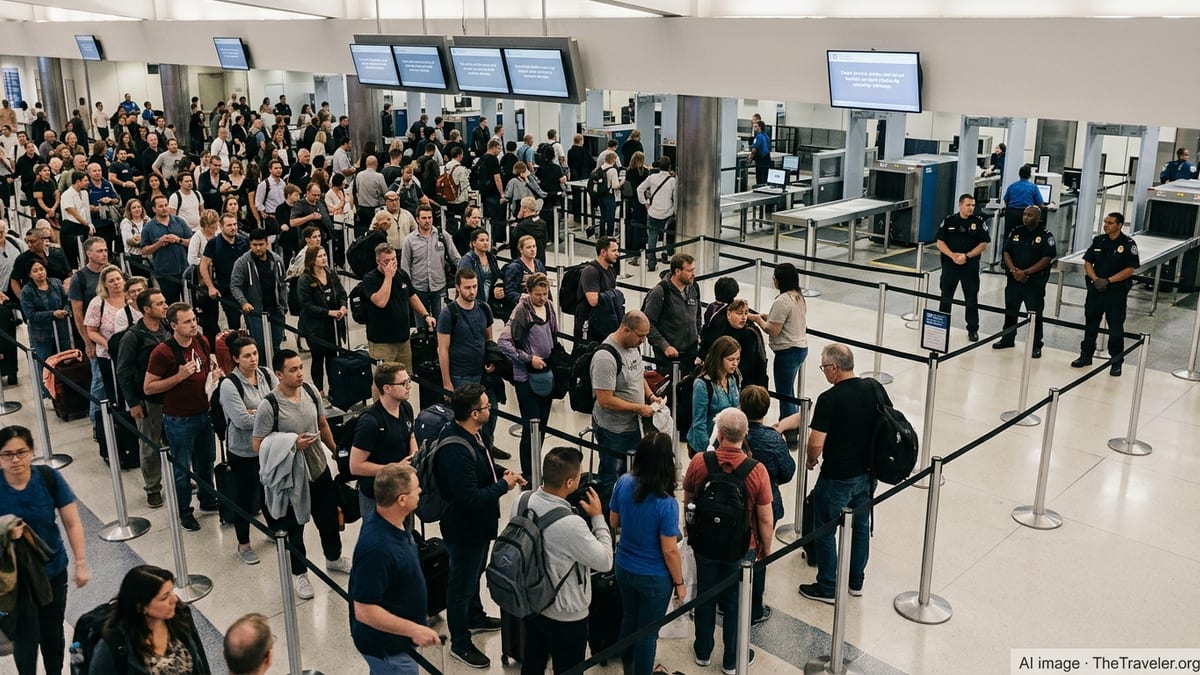
Published coverage indicates the latest disruption peaked on Saturday, September 19, 2026, when early-morning operations at IGI’s Terminal 1 became a choke point for several SpiceJet departures. Travelers reported long queues at check-in and uncertainty about departure times, with knock-on effects that can linger throughout a busy day at a hub airport like Delhi.
Reports named at least three SpiceJet services from Delhi affected on September 19: SG121 and SG127 on the Delhi to Leh route and SG2160 from Delhi to Jammu. In publicly shared statements carried by Indian media, SpiceJet described the delays as stemming from “operational reasons,” and coverage noted the flights later departed and arrived.
The Terminal 1 disruption followed earlier reports in the same week of extended delays for Dubai-bound passengers. Two Delhi to Dubai flights drew attention after delays stretched well beyond typical irregular-operations windows, prompting sit-in protests and images of travelers waiting with luggage inside the airport.
Dubai-bound passengers report the longest waits
Earlier in the week, published reporting said two SpiceJet flights from Delhi to Dubai were repeatedly rescheduled, with delays cited as running up to roughly 29 hours. The affected services were identified as SG5111 and SG5105, both ordinarily around a three to four hour journey time.
Coverage described passengers gathering in the terminal as the hours accumulated, seeking clearer timelines and support while rebooking plans became harder to manage. Food and water distribution was reported during the extended wait, and the airline indicated alternate arrangements were being made to accommodate affected travelers.
Another report, also from midweek, described passengers facing delays crossing the 24-hour mark, with frustration leading some travelers to sit on the floor inside the terminal during a protest. The reported incident further highlighted how long-haul disruptions can quickly become a welfare issue when travelers are left uncertain about whether to return home, book a hotel, or remain airside.
Reports cite staffing and check-in disruptions at Terminal 1
On September 19, reporting from multiple outlets tied the day’s Delhi delays to a breakdown in check-in operations during the early hours. Coverage described passengers arriving at Terminal 1 to find check-in counters understaffed, complicating baggage drop, boarding pass issuance, and the flow of travelers toward security and gates.
Some coverage linked the interruption to employee pay concerns, describing allegations that staff did not report for duty over unpaid salary issues. Other reports framed the event as a check-in disruption that compounded ongoing operational challenges, resulting in several hours of delay for departures to Leh and Jammu and subsequent ripple effects for later flights.
Separately, Delhi Airport’s public messaging on social media described “operational disruptions” affecting some SpiceJet flights and said on-ground teams were coordinating with the airline and other stakeholders to provide assistance and help passengers navigate the disruption.
What passengers can do right now at Delhi IGI
For travelers departing on SpiceJet from Delhi in the coming days, the most practical step is to verify flight status repeatedly, including before leaving for the airport and again after arriving, because short-notice time changes can occur. When check-in processes are disrupted, arriving earlier than usual may help preserve options for rebooking and baggage processing, particularly for flights leaving in the early morning hours.
At IGI, passengers should confirm the correct terminal for their flight and any counter reallocation updates once they arrive. Delhi’s multi-terminal layout means a last-minute change can add meaningful transit time within the airport footprint, especially when queues are already building.
If a delay becomes prolonged or shifts overnight, travelers can ask airline staff what support is being offered at the airport, including meal arrangements and guidance on accommodation, and should keep receipts and written delay notifications where possible for later claims. Passengers may also want to hold off on non-refundable ground transport or tightly timed connections until the departure time stabilizes.
Operational reliability becomes the bigger travel story
The Delhi disruptions also underline a broader reliability challenge for travelers booking busy routes during peak periods. With limited spare aircraft and crew, even one grounded aircraft or early-morning processing breakdown can cascade across later rotations, turning a localized problem at check-in into rolling delays across a carrier’s day.
For passengers, the immediate impact is practical: missed hotel check-ins, lost tour slots, disrupted onward flights, and added costs for food and last-minute changes. For Delhi, one of India’s busiest airports, even a small cluster of delayed departures can create visible crowding in check-in halls and gate areas, especially at Terminal 1 where multiple carriers share facilities.
As airlines, airports, and regulators face ongoing pressure to keep schedules stable, this week’s episodes at IGI have become a case study in how quickly passenger experience can deteriorate when information, staffing, and operational resilience all falter at once.