


More news on this day
Air travel across the Gulf faced fresh disruption this weekend after Saudi Arabia issued attack alerts tied to a reported Houthi ballistic missile attempt toward Riyadh, triggering delays and cancellations at the capital’s main airport, while Etihad Airways cancelled a Delhi to Abu Dhabi service after a technical issue left passengers stranded.
Get the latest news straight to your inbox!
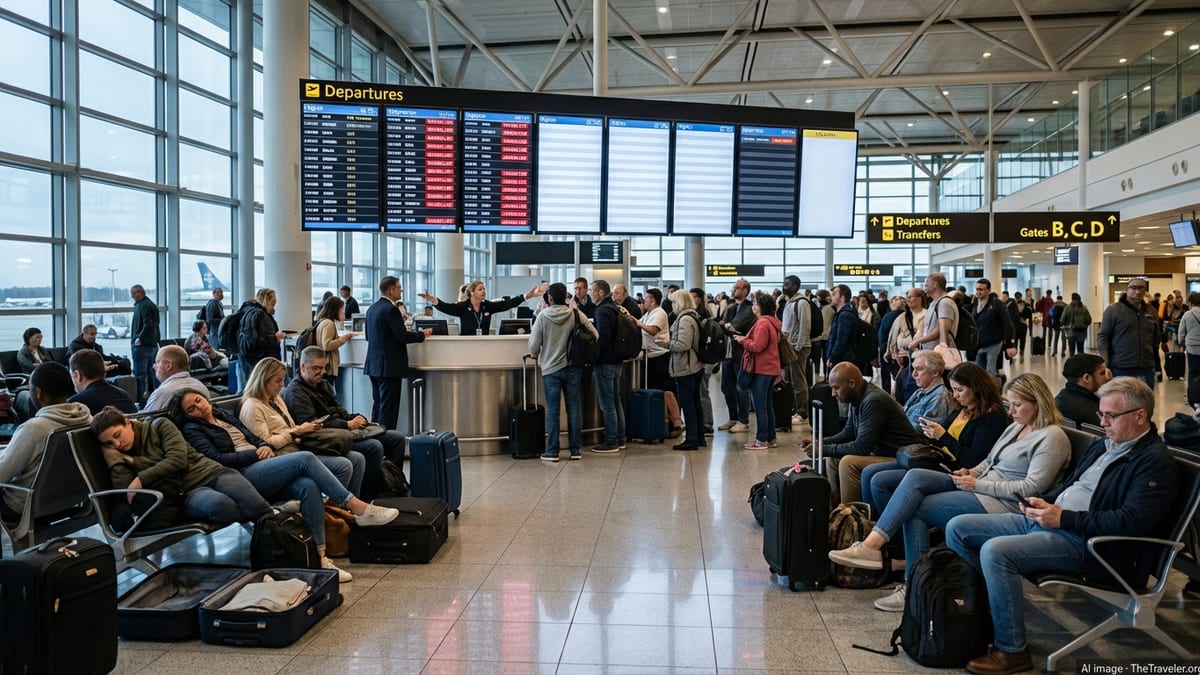
Riyadh flight operations strained after overnight alert
Published coverage indicates Saudi residents received overnight phone alerts warning of a potential aerial threat, followed by reports of explosions heard in the capital and smoke rising near King Khalid International Airport (RUH). The timing coincided with regional security tensions linked to the conflict in Yemen and renewed Houthi strikes toward Saudi territory.
Flight-tracking services showed a spike in disruption at RUH on Saturday, September 19, 2026, with delays spreading through morning and afternoon schedules and a share of departures and arrivals cancelled outright. Several outlets described the airport as reaching the highest disruption category on FlightRadar24 during the peak of the incident.
Reports also described a fire involving a fuel tank at a depot close to the runways, with firefighters working on scene as thick black smoke was visible from parts of the city. Later coverage indicated flight operations began trending back toward normal as the day progressed, although airline backlogs can take hours to unwind after a major hub disruption.
What is known about the attempted strike
Saudi statements carried by international media described an attempted Houthi ballistic missile attack toward Riyadh around dawn on September 19, with the missile reportedly intercepted. The event was widely described as the first time the capital had been targeted in this manner since the latest escalation in fighting.
Houthi messaging carried in international coverage claimed they had struck “sensitive sites” in Riyadh and also referenced facilities connected to Saudi Aramco elsewhere in the kingdom. Public reporting has not produced a single, independently verified account that definitively links the airport-area fire to the missile attempt, and coverage has treated the timeline as overlapping developments rather than a confirmed cause-and-effect chain.
For travelers, the practical impact was immediate: even when an airport remains technically open, airspace management actions, ground holds, runway restrictions, and aircraft repositioning can cascade into missed connections and multi-hour delays across a region with tightly banked schedules.
Etihad cancels Delhi to Abu Dhabi flight amid knock-on travel stress
Separate from the Riyadh disruption, Etihad Airways cancelled its Delhi to Abu Dhabi service EY217 on Saturday, September 19, according to Indian media reports. Coverage described passengers boarding and then being asked to deplane before the flight was ultimately cancelled due to a technical fault detected before departure.
Multiple reports put the number of impacted passengers at roughly 200 at Indira Gandhi International Airport (DEL). The airline cancellation became a flashpoint for travelers already anxious about operational uncertainty across the region, even though the Delhi cancellation was reported as a mechanical or technical issue rather than a security-related diversion.
Flight-tracking history for EY217 also showed the September 19 service listed as cancelled, while adjacent days on the route appeared to operate or be scheduled normally. That pattern is consistent with a single-aircraft problem rather than a broad route suspension.
What travelers should do if flying via Saudi Arabia or the UAE
With fast-moving disruptions, the most time-sensitive step is to rely on airline flight status tools and airport departure boards rather than social media posts or third-party rumors. Even reputable flight-tracking platforms can lag behind operational decisions such as gate changes, crew legality issues, and rebooked aircraft rotations.
Passengers connecting through Riyadh, Jeddah, or other Saudi hubs should expect that a short airport shutdown or runway incident can still lead to rolling cancellations later in the day as inbound aircraft arrive out of position and crews time out. Travelers with tight connections should consider rebooking to longer layovers when options exist.
For Etihad customers departing Delhi or transiting Abu Dhabi, the key is to confirm re-accommodation details in writing in the booking record, including onward connections, baggage handling, and whether meals and lodging are provided during extended delays. Where a cancellation is due to technical issues, travelers should also check whether consumer protections in their ticket conditions or card travel insurance apply.
As airlines adjust schedules in response to both operational and security disruptions, travelers may see sudden aircraft swaps and last-minute gate changes. Arriving early, keeping essential medication and documents in carry-on baggage, and maintaining flexible ground-transport plans can reduce the impact when disruptions ripple across multiple airports in the same travel day.