


More news on this day
Passengers flying SpiceJet from Delhi’s Indira Gandhi International Airport faced long waits this week after a fresh round of delays and cancellations disrupted departures, with some travelers reporting hours of uncertainty at check-in counters and boarding areas.
Get the latest news straight to your inbox!
What happened at Delhi IGI and which routes were affected
Published coverage indicates the latest disruption unfolded early Saturday, September 19, 2026, at IGI Airport, where several SpiceJet services were delayed and some were cancelled, triggering crowding and confusion for travelers trying to check in and rebook.
Reports focused on flights from Delhi to Leh and Jammu, with multiple departures pushed back by several hours. Publicly available coverage identified SpiceJet flight numbers SG121 and SG127 (Delhi to Leh) and SG2160 (Delhi to Jammu) among those delayed on September 19, with the carrier later indicating that the affected flights ultimately departed and arrived.
The disruption at IGI came just days after separate, widely reported delays on Delhi to Dubai services, where two SpiceJet flights were repeatedly rescheduled and held for extended periods. The international delays added to passenger frustration because the delays stretched far beyond typical schedule changes, leaving travelers stuck in the terminal well into the next day.
How the disruption unfolded inside the terminal
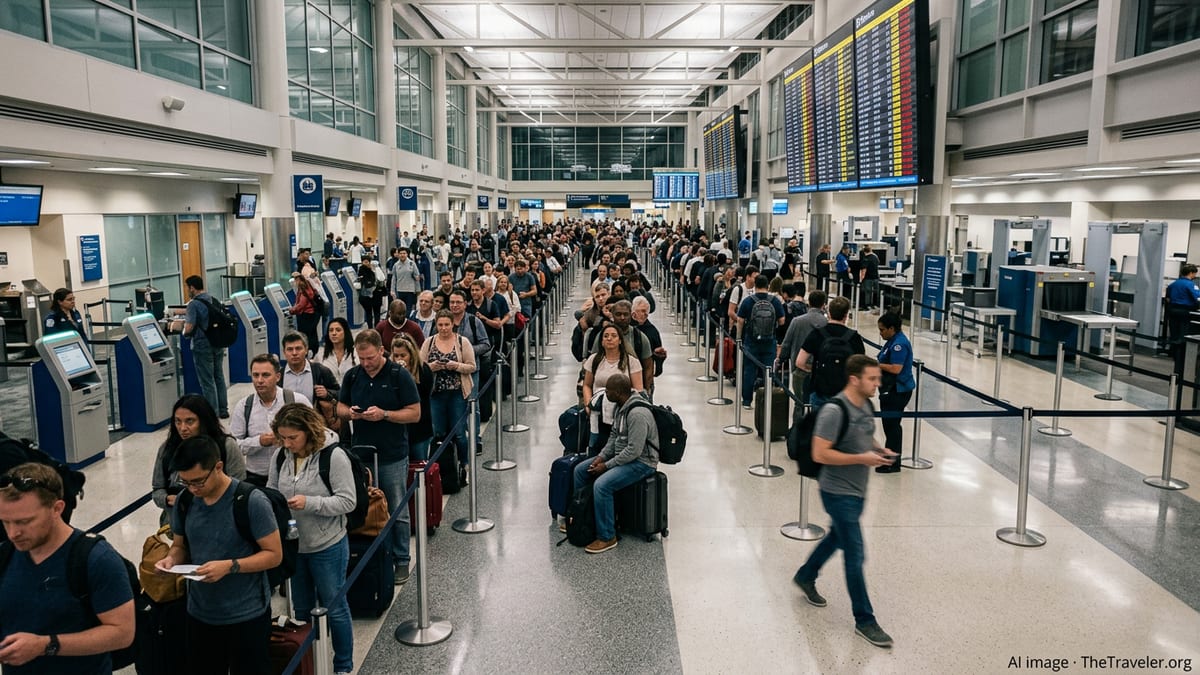
Coverage of the September 19 incident described a check-in disruption at Terminal 1 in the early morning hours, when passengers arrived to find limited staff presence at SpiceJet counters. The resulting bottleneck delayed baggage drop and check-in, pushing back departure timelines for multiple flights.
According to published accounts, the delays affected hundreds of passengers, including families traveling to high-demand leisure and military-linked destinations such as Leh and Jammu. Some reports described travelers waiting for updates on who to approach for revised boarding and check-in timelines, a common pain point during irregular operations when information changes quickly.
Delhi Airport communications during the week of disruptions indicated that airport teams were coordinating with the airline and other stakeholders to support affected passengers on the ground, and that assistance such as basic amenities was being arranged when needed. The airport also advised travelers to stay in touch with the airline and on-ground teams for updated flight information.
Operational strain and the broader pattern of delays this week
The September 19 disruption was reported against the backdrop of SpiceJet’s ongoing operational pressures, which have been widely covered in India’s aviation reporting in recent months. While day-to-day delays can stem from many factors, multiple reports tied the latest round of disruption to operational issues that affected staffing and aircraft availability.
Earlier in the week, two Dubai-bound SpiceJet flights from Delhi drew attention after delays extended beyond 24 hours, prompting passenger protests at the airport. Published coverage described the delays as being linked to operational reasons following the grounding of an aircraft, and noted that alternative arrangements were being worked on to accommodate stranded travelers.
For passengers, the practical impact of repeated disruptions is cumulative: missed hotel check-ins, missed onward connections, and the need to rework visas, transfers, and pre-booked tours. That burden can be particularly acute on international routes like Delhi to Dubai, where travelers may have time-sensitive commitments and fewer same-day rebooking options.
What travelers can do at the airport when a flight is delayed or cancelled
When irregular operations hit, the first priority is to confirm the flight’s status using the airline’s official channels and the airport’s flight information displays, then document the sequence of changes. Travelers can save screenshots of updated departure times, keep boarding passes and booking confirmations accessible, and request written delay documentation when available for insurance and employer travel claims.
For those stuck airside for prolonged periods, travelers can also approach airline desks for re-accommodation options, including rebooking on the next available SpiceJet service or, where applicable, routing via an alternate city. If the disruption leads to an overnight delay, passengers can ask what support is being offered at the airport, including meal arrangements and guidance on whether accommodation is being provided.
Because queues can become long quickly, another practical step is to simultaneously attempt rebooking through the airline app or call center while waiting at the counter, and to keep flexibility on nearby airports or later departures if the trip is time-sensitive. Travelers on international itineraries should also factor in immigration and visa timelines if a revised departure time crosses into a new date.
What to watch next for Delhi departures on SpiceJet
With multiple disruptions reported in the same week, passengers booked on SpiceJet departures from Delhi in the coming days may want to monitor schedules earlier than usual, particularly for early-morning flights and routes that have recently seen disruptions. Even when services operate later in the day, check-in and baggage processes can be affected if earlier flights trigger backlog inside the terminal.
Travelers flying from IGI should also confirm which terminal their flight departs from before leaving for the airport, since terminal changes can occur during irregular operations. Allowing extra time for check-in, security, and any rebooking discussions may help reduce the stress of last-minute changes.
For passengers who must travel on a specific date, the week’s reports underline the value of having a backup plan, whether that means identifying alternate flights on other carriers, keeping hotel reservations flexible where possible, or using travel insurance that covers long delays and cancellations. As the situation evolves, the most reliable updates will continue to come from flight status systems and the airline’s official advisories rather than informal reports.