

More news on this day
Stark County emergency planners and first responders recently carried out a full-scale train derailment exercise, using a simulated rail crash and hazardous materials release to test how the region would cope with a complex transportation disaster.
Get the latest news straight to your inbox!
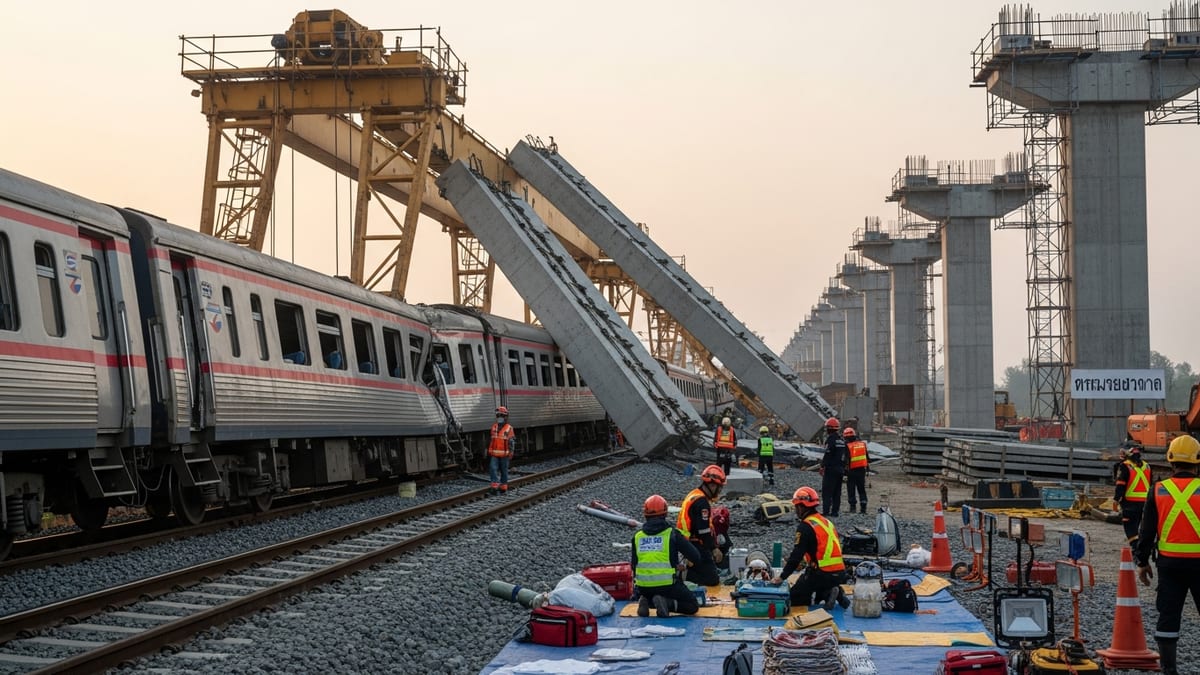
Regional Focus on Rail and Hazardous Materials Risks
The exercise unfolded against a backdrop of heightened attention to rail safety across Ohio and the United States. In the years since the East Palestine derailment in 2023, communities with busy freight corridors have increased their emphasis on planning for low-probability but high-impact train incidents involving hazardous materials. Publicly available information on recent federal and state initiatives shows a sustained push for more robust emergency coordination, faster notification of hazardous cargo, and improved on-scene tactics.
Stark County sits within a dense web of rail lines and industrial facilities, making large-scale transportation incidents a central concern in local planning documents. The county’s Emergency Operations Plan outlines rail and hazardous materials events as priority scenarios, with special attention on coordination among fire, law enforcement, emergency medical services, and public health agencies. The recent derailment drill was designed to bring those written plans into practice and identify any gaps that only become visible when agencies are operating together under pressure.
Local preparedness programs emphasize all-hazards planning, but rail-related emergencies have moved higher on the agenda as train traffic and the shipment of chemicals remain critical to the regional economy. Exercises that reproduce the conditions of a derailment give responders a rare opportunity to navigate the same types of decisions they would face in a real event, from establishing command and communication channels to protecting nearby neighborhoods.
According to published coverage of similar drills across Ohio, emergency managers are increasingly blending rail incidents into broader disaster scenarios, reflecting the way infrastructure, industry, and residential areas overlap. The Stark County exercise followed that trend, linking transportation impacts with potential public health issues and longer-term recovery needs.
Simulated Crash Tests Communication and Command
In the Stark County scenario, a freight train leaving a rail corridor near populated areas was depicted as derailing and releasing hazardous materials. Exercise materials described damaged railcars, mock leaks, and a changing wind pattern that could carry fumes toward residential streets and commercial districts. The goal was not to recreate a specific past derailment, but to model a challenging, fast-moving incident that would stretch existing response systems.
Participants used the incident command system structure that is outlined in the county’s emergency plans. Fire departments, law enforcement agencies, the regional emergency dispatch center, and the county emergency management office worked from a unified command post, testing how well information could move between dispatchers, field units, and decision-makers. Controllers injected new developments throughout the drill, including reports of additional railcars off the tracks and changing conditions at the simulated spill site.
The communications component was a central focus. Radio traffic, interoperable talk groups, and notification tools were all part of the test, reflecting lessons from real-world derailments where fragmented information has slowed early decision-making. Public information officers also practiced drafting and coordinating messages that could be shared with residents through alert systems and local media, describing shelter-in-place guidance, evacuation routes, and locations of staging areas.
Observers from planning teams tracked how quickly command was established, whether resource requests were clearly documented, and how well agencies adapted as the scenario evolved. Those observations will be fed back into updates of procedures and training calendars, with the aim of shortening response times and reducing confusion during any future rail incident.
Health, Evacuation, and Environmental Concerns
The simulated derailment placed heavy emphasis on public health impacts. In the exercise storyline, the derailed train carried chemicals that could irritate the respiratory system and contaminate soil and surface water. Publicly available emergency preparedness guidance for Stark County highlights the role of public health officials in advising on air monitoring, protective actions, and potential long-term health monitoring, and these elements were woven into the drill.
Participants examined how decisions about evacuation or shelter-in-place orders would be made and communicated if a plume of hazardous vapors threatened nearby neighborhoods. The scenario required coordination between emergency management, fire and hazmat teams, public transit providers, and shelter operations in order to move residents safely and care for those with medical or mobility needs. Exercise evaluators paid close attention to how quickly protective actions could be implemented in the most at-risk zones around the simulated derailment site.
Environmental considerations were also prominent. Based on planning assumptions drawn from previous rail incidents in Ohio and other states, the exercise incorporated a potential impact on nearby waterways and storm drainage. Agencies responsible for environmental protection and public utilities were brought into the scenario to discuss containment options, sampling plans, and coordination with state-level partners if contamination reached beyond local jurisdictions.
Medical response was tested through mock triage and transport of exercise volunteers portraying patients affected by exposure or minor injuries. Local hospitals and emergency medical services used the opportunity to review surge procedures, patient tracking, and communication protocols that would be necessary if a large number of residents sought care following a derailment-related release.
Multiagency Partnerships Strengthen Local Readiness
The train derailment exercise provided a platform for a wide range of partners to practice working together. Alongside fire, police, and county emergency management officials, the drill incorporated participation or notional involvement from rail representatives, public works departments, public health agencies, and volunteer organizations active in disaster. Observers from neighboring jurisdictions monitored the scenario, reflecting the reality that a significant derailment could draw mutual aid from beyond Stark County’s borders.
Planning materials for Stark County’s emergency operations stress the importance of joint training for scenarios that span multiple disciplines. Rail incidents intersect with transportation planning, environmental regulation, health services, and community recovery, making it essential for agencies to understand each other’s authorities and capabilities before an actual emergency occurs. According to open emergency management records across Ohio, the most successful exercises tend to be those that push participants outside of routine operations while still remaining grounded in realistic local conditions.
The drill also served as an outreach opportunity to reinforce the value of resident preparedness. Information associated with Stark County’s broader emergency preparedness efforts encourages households to stay informed about local alert systems, understand basic shelter-in-place procedures, and keep personal emergency kits stocked. While the derailment scenario was designed for professional responders, organizers framed it as part of a wider culture of readiness that includes the public as a critical partner.
After-action reporting from the exercise is expected to highlight strengths such as existing coordination networks, as well as areas for improvement, including specialized hazmat training, equipment needs, and additional communication tools. Those findings will guide future funding priorities and training schedules so that, if a real train derailment were to occur in Stark County, agencies and residents alike would be better prepared to respond.