


More news on this day
Police and fire crews in Coppell, Texas responded to a partial building collapse that triggered evacuations, a large emergency presence and fresh scrutiny of structural safety in the fast-growing Dallas suburb.
Get the latest news straight to your inbox!
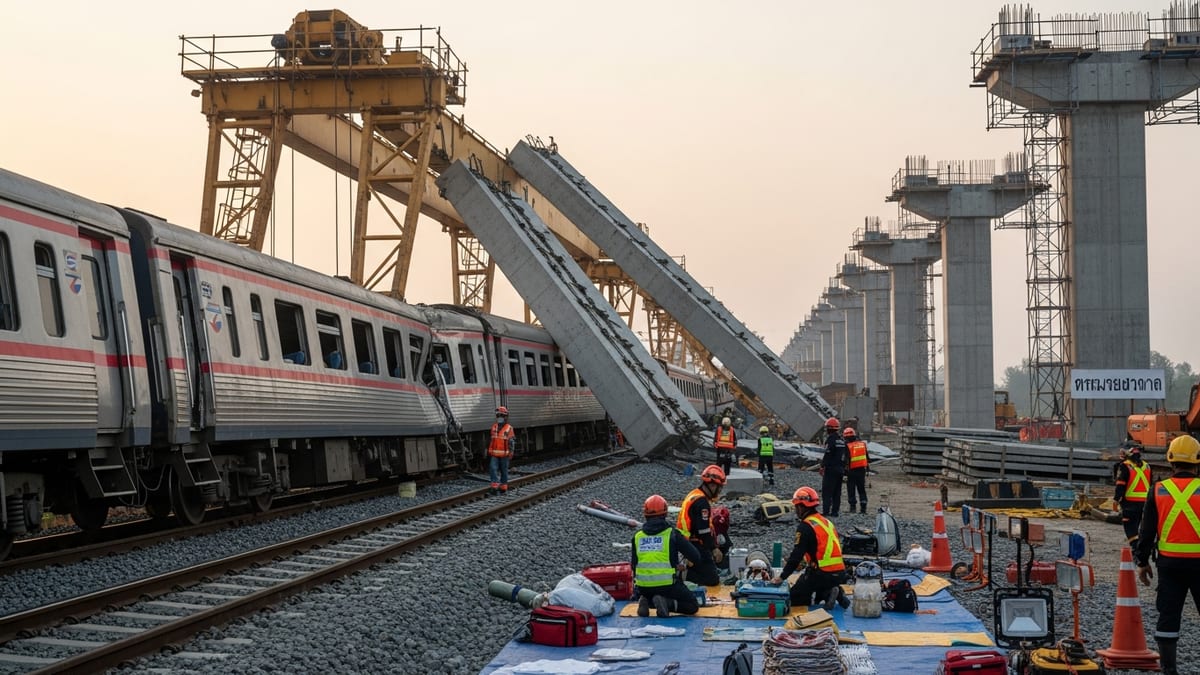
Emergency Response to Structural Failure
Initial reports indicate that crews were dispatched after a structural section of a building in Coppell partially gave way, prompting fears of a wider collapse. Responders encountered visible damage and debris, with portions of the structure compromised enough to require an immediate safety perimeter around the site.
Publicly available information shows that both police and fire personnel concentrated first on securing the scene and determining whether anyone was trapped or injured. Standard protocols in such incidents typically prioritize life safety, including rapid searches of affected areas and adjacent units, while monitoring any ongoing movement in the damaged structure.
Additional resources were requested as the scale of the incident became clearer, reflecting the all-hazards approach long described in Coppell’s emergency planning documents. Nearby streets were partially closed to allow heavy equipment, ambulances and command vehicles to move freely and to limit public access to unstable parts of the building.
As assessment work continued, responders relied on visual inspections and basic structural indicators to judge the immediate risk of further collapse. In comparable incidents in North Texas and elsewhere, this early phase is often decisive in preventing secondary injuries among both occupants and first responders.
Evacuations, Closures and Impact on Nearby Residents
Reports from the area describe residents and workers being moved back from the building while crews completed an initial sweep of the scene. In partial collapses, even sections that appear intact can be affected by shifting loads, leading responders to keep people at a distance until engineers and inspectors can conduct closer evaluations.
Traffic diversions and temporary closures added to the disruption, particularly for those who rely on local corridors that connect Coppell with neighboring communities and employment centers. Commuters experienced delays as vehicles were rerouted around the affected block, and some businesses in the immediate vicinity were unable to open or had to reduce operations for safety reasons.
People living or working nearby described an unusual level of noise and activity as engines, ladder trucks and patrol vehicles arrived. While many modern buildings are designed to local code requirements, even a limited failure can be alarming in a community that has seen rapid development, infill construction and foundation repairs in recent years.
As the scene stabilized, some residents were allowed to return to adjacent properties under caution, while others remained temporarily displaced pending further checks. The duration of those disruptions typically depends on the results of structural assessments and any need for shoring or demolition.
Focus Turns to Structural Safety and Building Conditions
The partial collapse quickly raised questions about the underlying condition of the building and the forces that may have contributed to the failure. Published coverage of recent foundation and structural concerns in parts of Coppell and the broader Dallas area has highlighted how soil conditions, aging infrastructure and construction practices can combine to stress buildings over time.
According to publicly available engineering guidance, localized collapses can be triggered by a variety of factors, including foundation movement, water intrusion, unpermitted modifications, overloaded floors or deferred maintenance. In some cases, earlier warning signs may include cracking, sagging ceilings, sticking doors or visible separation in walls and slabs.
City planning and budget documents for Coppell emphasize enforcement of building and fire codes as central tools for preventing such incidents, with regular inspections and plan reviews intended to catch design or construction issues before occupancy. These same materials describe how the fire department’s prevention and operations divisions coordinate on hazards tied to structural stability, fire loading and life-safety systems.
Investigators typically review construction records, permit histories and any recent repair work to determine whether the collapse stemmed from design deficiencies, workmanship problems, material failures or long-term deterioration. That process often takes weeks or months, especially if laboratory testing or outside engineering analysis is required.
Coppell’s Emergency Preparedness Under the Spotlight
The incident also placed a spotlight on Coppell’s emergency readiness and interagency coordination. Strategic planning documents for the city describe a goal of maintaining rapid response times and a high level of preparedness for fire, technical rescue and other complex events, in line with national standards for all-hazards response.
In a partial building collapse, fire crews typically take the lead on rescue and stabilization, while police manage traffic, crowd control and access to the scene. Depending on the severity of the damage, additional agencies such as code enforcement, building inspection and public works may be called in to evaluate utilities, barricade unsafe areas and begin planning for cleanup.
Publicly available training materials used by departments nationwide show that responders follow structured procedures for incidents involving structural compromise, including rapid size-ups, hot and cold zone establishment, continuous monitoring for gas leaks or fire risk, and coordination with utility providers to secure electricity and gas. These steps are designed to limit cascading hazards that can follow an initial collapse.
Local emergency managers often use such events to review how quickly mutual-aid partners can mobilize additional resources, such as specialized technical rescue teams, heavy rescue apparatus or structural engineers. Lessons from those reviews can influence future staffing, equipment purchases and public education campaigns in Coppell and surrounding cities.
Next Steps for Residents, Businesses and the City
As the immediate crisis passed, attention shifted to recovery and long-term remediation. Owners and tenants of the affected building are expected to work with insurers, contractors and city officials to determine whether damaged sections can be repaired or must be demolished and rebuilt.
Residents and businesses in similar structures often look for reassurance after a visible failure in their community. Building professionals typically advise occupants to document any unusual structural signs and to seek qualified inspections when needed, particularly in properties with ongoing foundation work or major renovations.
For Coppell, the partial collapse will likely feed into ongoing discussions about growth, density and the resilience of aging and newly built properties. City planning documents already point to the importance of continued investment in inspection capacity, infrastructure and emergency services to match the pace of development.
Further updates are expected as more detailed information about the building’s history, recent work and structural assessments becomes available through public channels and official summaries of the response.