


More news on this day
The U.S. Department of State has issued a rare worldwide caution for American citizens overseas, urging travelers in all regions to exercise increased vigilance as global tensions, terrorism risks, and potential attacks against U.S. interests remain elevated.
Get the latest news straight to your inbox!
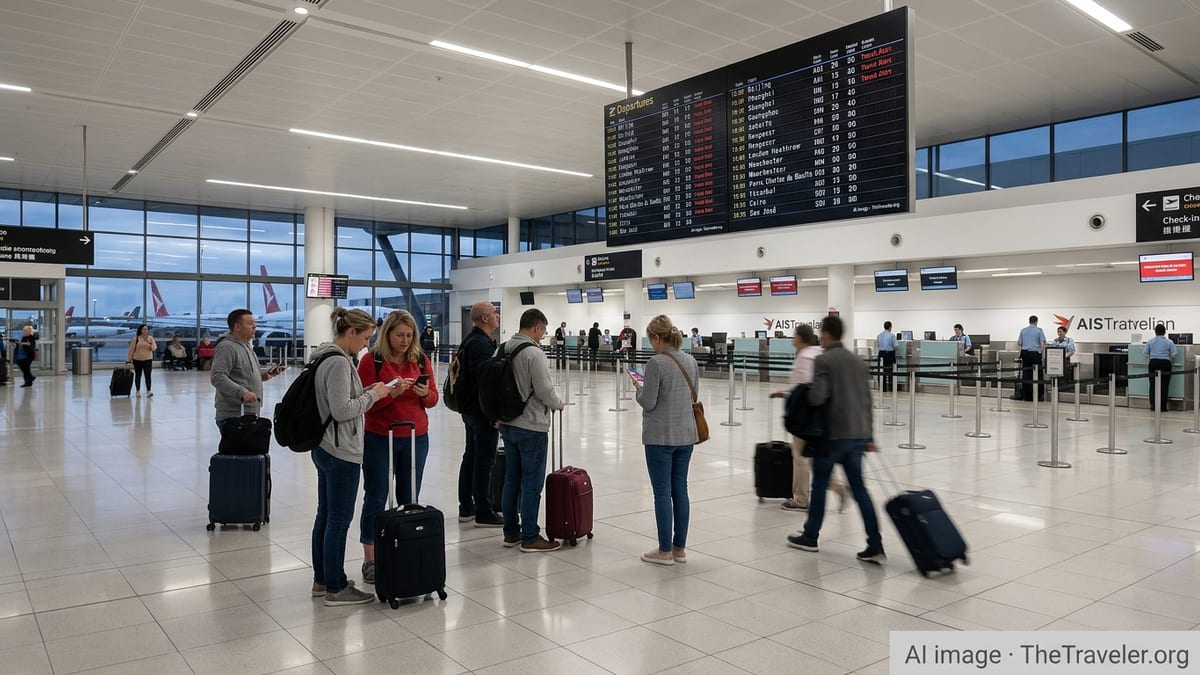
Unusual Global Alert Targets All American Travelers
The latest worldwide caution, dated March 22, 2026, represents an uncommon step in the U.S. government’s system of security messaging for citizens abroad. According to publicly available information on official travel advisory pages, worldwide cautions are reserved for periods when security concerns extend beyond specific countries or regions and potentially affect Americans in multiple parts of the globe at once.
The alert advises Americans “worldwide” to maintain a higher level of awareness, with particular emphasis on people living in or traveling through the Middle East. Published coverage indicates that the warning is framed as a security alert rather than a blanket instruction not to travel, but it highlights a broad spectrum of possible risks that could affect U.S. citizens even in destinations that are otherwise considered relatively stable.
The document sits above the routine four-level country advisory system that travelers see when they check guidance for individual destinations. Instead of changing the risk rating for a single country, a worldwide caution signals that U.S. citizens in many locations could face similar threats, especially in areas where political or military tensions are rapidly evolving.
Reports describe the latest guidance as part of a pattern in which U.S. officials have occasionally resorted to global alerts during periods of conflict or heightened terrorism concerns. While not unprecedented, such notices remain infrequent enough that they draw immediate attention from travelers, airlines, and the tourism industry each time they are issued.
Geopolitical Flashpoints and Terrorism Concerns Drive the Warning
Published summaries of the March 22 caution link the latest alert to an unstable security environment shaped by conflict involving the United States, Israel, and Iran, along with proxy groups operating in the wider Middle East. Coverage indicates that groups sympathetic to Iran or opposed to U.S. policies could look for opportunities to target American interests outside active war zones, including in third countries far from the front lines.
Worldwide cautions of this type commonly reference the potential for terrorist attacks, demonstrations that can rapidly turn violent, and opportunistic strikes on locations associated with Western travelers. Analysis of previous alerts shows that potential targets often include hotels, transportation hubs, diplomatic facilities, restaurants, religious sites, and large public gatherings, where high visibility and crowds can attract attackers.
Recent reporting also points to concerns about copycat attacks and individuals inspired by events in conflict zones rather than directly controlled by organized groups. This diffuse threat environment can make risk assessment more challenging, leading governments to rely on broader language about the need for situational awareness and flexible travel planning.
Although the new caution is global in scope, it appears particularly relevant for travelers heading to regions already listed at Level 3 “Reconsider Travel” or Level 4 “Do Not Travel” under the State Department’s standard advisory system. In many of those countries, the existing reasons for concern such as terrorism, civil unrest, kidnapping or wrongful detention are now being viewed through the lens of a wider confrontation with significant potential for spillover.
Airspace Restrictions and Travel Disruptions Add Practical Risks
Beyond physical security concerns, the worldwide caution notes that airspace closures and disruptions could affect international travel, even for passengers not flying directly over the most volatile regions. Recent coverage explains that sudden changes in overflight permissions and route availability can create cascading delays, diversions, and cancellations across global airline networks.
For travelers, this means that itineraries passing through major transit hubs near conflict areas may be particularly vulnerable to disruption. Airlines may reroute flights to avoid contested airspace or suspend services altogether if risk assessments change, leaving passengers stranded or facing complex rebooking challenges.
Travel industry commentary suggests that these operational uncertainties are prompting some travelers to favor routings through hubs perceived as more insulated from geopolitical tensions. However, the global nature of the alert underlines that secondary effects, such as increased security screenings, longer connection times, and tighter scrutiny of travel documents, may be felt even in airports far from the Middle East.
Insurance implications are another emerging concern. Some policies contain exclusions or special conditions related to war, terrorism, or government travel warnings. Analysts advise travelers to review policy language carefully, as a worldwide caution or a Level 4 advisory for a specific destination can alter what coverage applies if trips are canceled, delayed, or interrupted for security reasons.
How the Worldwide Caution Fits into the Broader Advisory System
The State Department’s advisory framework typically organizes each destination into one of four levels, ranging from Level 1 “Exercise Normal Precautions” to Level 4 “Do Not Travel.” Public documents explaining the system emphasize that factors such as terrorism, crime, civil unrest, kidnapping, health infrastructure, and the risk of wrongful detention all feed into these ratings.
A worldwide caution functions differently from these country-by-country notices. Instead of replacing individual advisories, it overlays them to highlight global trends that could magnify existing risks or introduce new uncertainties. Recent public guidance materials describe the worldwide caution as one of several tools, alongside localized alerts and security messages from embassies and consulates, that aim to keep citizens informed about changing conditions.
Experts who track travel security note that the decision to issue a global alert often reflects a combination of intelligence assessments and the U.S. government’s “no double standard” policy, which requires that significant threats shared with official personnel also be communicated to the broader U.S. citizen community. In practice, this can mean that shifts in security posture for government facilities are mirrored by updated messages for private travelers.
While many international trips proceed safely even during periods of elevated warning, the presence of a worldwide caution can influence corporate travel policies, educational study abroad programs, and insurance underwriting. Some organizations use official U.S. advisories as a baseline for internal risk thresholds when approving or postponing trips.
Practical Steps for Americans Planning or Taking Trips Abroad
For individual travelers, the latest worldwide caution effectively serves as a call to prepare more thoroughly and remain adaptable while overseas. Publicly available security guidance recommends that Americans review the specific country advisory for each destination, paying close attention to the risk factors highlighted, from terrorism and civil unrest to health care capacity and natural disaster exposure.
Travelers are also encouraged by official materials to enroll in the Smart Traveler Enrollment Program, commonly known as STEP, so they can receive security updates and make it easier for local embassies or consulates to contact them in an emergency. Reports emphasize the importance of maintaining current contact details, sharing itineraries with family or trusted contacts, and carrying backup copies of key documents such as passports and visas.
Security experts often advise simple behavior changes that can reduce exposure, including avoiding large demonstrations, staying away from high-profile political or religious sites during tense periods, and varying daily routines. Guidance from travel risk professionals also highlights the value of identifying nearest medical facilities, understanding local emergency numbers, and knowing where the closest U.S. embassy or consulate is located.
For now, the worldwide caution does not prohibit Americans from traveling, but it raises the bar for preparation. Travelers who stay informed about local developments, maintain flexible plans, and build in extra time for airport procedures may be better positioned to navigate an international landscape that, at least for the coming months, is expected to remain unpredictable for U.S. citizens abroad.