


More news on this day
Recent rioting in several French cities has prompted updated travel guidance from the UK Foreign, Commonwealth & Development Office, with British visitors advised to monitor curfews, avoid trouble spots and prepare for short-notice disruption to local transport and public services.
Get the latest news straight to your inbox!
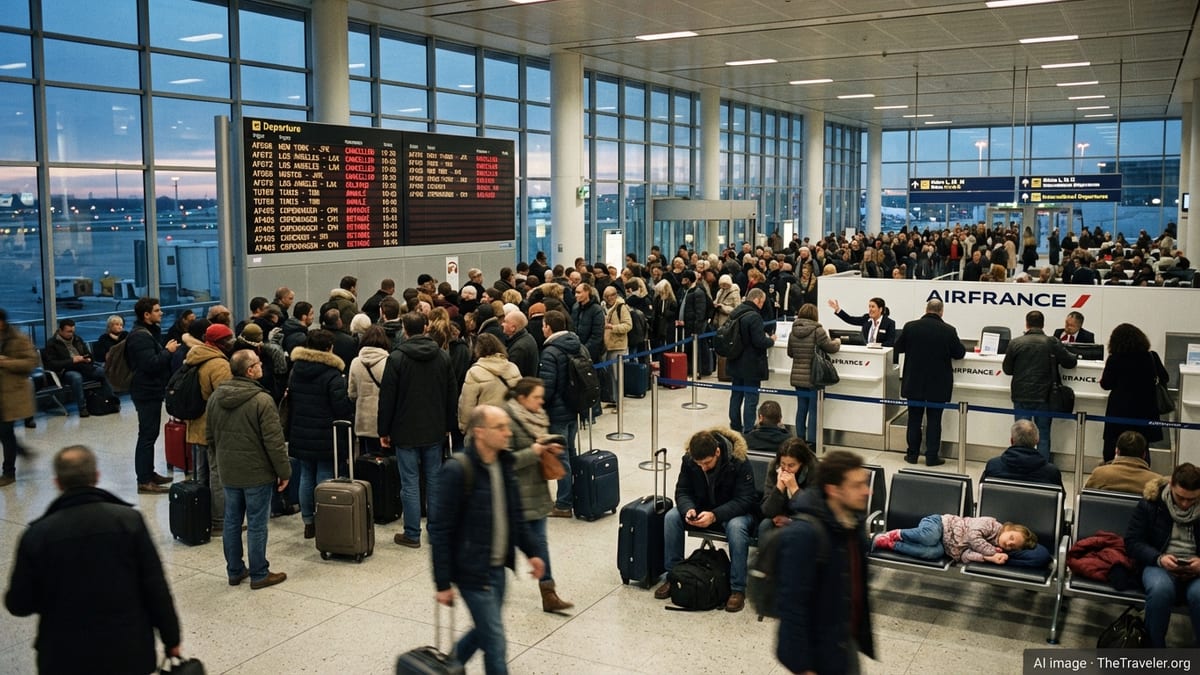
Foreign Office updates advice as unrest flares
According to publicly available updates to the UK Foreign Office’s travel advice for France in mid-2023, guidance was revised to flag the risk of riots and civil unrest after protests and violent incidents broke out in multiple urban areas. The summary section highlighted that demonstrations could turn confrontational, with disturbances spreading quickly and unpredictably between neighbourhoods.
Archived change logs for the France travel advice show that information on the riots was added to the overall safety summary in early July 2023, shortly after several nights of clashes between protesters and police. The guidance emphasised that large urban centres were most affected, especially suburbs around Paris and other major cities where tensions were highest.
While the underlying country advice for France currently remains at a moderate level, with the United States and other governments also classifying the destination as requiring increased caution due to terrorism and unrest, the 2023 episode illustrated how quickly the tone of guidance can shift when local security conditions deteriorate.
Separate travel advisories from other countries noted similar concerns during the same period, pointing to vandalism, looting and arson in affected districts. These reports underlined that disturbances tended to be highly localised within particular neighbourhoods, rather than nationwide in every tourist area.
Curfews and emergency measures in affected areas
French local authorities responded to the unrest in 2023 with a patchwork of emergency measures, including night-time curfews in several municipalities, temporary bans on large public gatherings and restrictions on certain types of vehicles in specific zones. Publicly available reporting described early-evening curfews for minors in some suburbs, along with broader overnight curfews in the hardest-hit districts.
In practice, curfew rules varied significantly from one town to another and could change at short notice. Some mayors introduced measures applying only to under-18s or to specific times of night, while others applied broader citywide restrictions. Travellers were advised in public guidance and media coverage to follow local announcements closely and to remain flexible with evening plans.
In the most affected areas, these measures sometimes coincided with partial closures of streets, tram lines or bus routes. This meant that visitors returning to hotels late at night could face detours or longer walking times where usual services were suspended. Public information highlighted that curfews were enforced by increased police patrols and security checks around transport hubs and key junctions.
Although nationwide blanket curfews were not adopted, the episode demonstrated how quickly local authorities in France can deploy targeted restrictions in response to unrest. For travellers, that translates into a need to stay alert to neighbourhood-level rules rather than assuming that national guidance alone will capture every local measure.
Impact on transport, tourism and city breaks
During the peak of the disturbances, published coverage from European outlets reported closures or early shutdowns of some tram and bus lines, particularly in outer suburbs where damage to infrastructure or security concerns were most acute. In a few locations, shopping centres and municipal facilities closed ahead of usual hours, and evening events were cancelled or postponed.
Rail and long-distance services, including high-speed links between major French cities, generally continued to operate, but travellers were advised to leave extra time for journeys through affected urban areas. Public information also pointed to temporary closures of certain metro or tram stations in response to police operations or to prevent crowds gathering.
For tourists planning city-break itineraries centered on nightlife or late dining, the changing conditions posed particular challenges. Restaurants and bars in some districts chose to close early, either because of curfew requirements or as a precaution. Visitors who typically rely on late-evening public transport were encouraged by official advisories and news reports to check last-train times, keep accommodation addresses accessible and consider earlier returns than usual.
Despite the tense images circulated internationally, major cultural attractions in central Paris and other key destinations largely continued to operate during daytime hours. Museums and landmark sites remained open in line with their usual schedules, although operators monitored the situation and retained the option to close early or adjust visitor flows if required.
Current advice and what travellers should do now
At the time of writing in October 2026, the UK’s France travel advice is current and does not feature active alerts about nationwide riots or widespread curfews. The latest updates focus on issues such as border procedures, wildfires in season and ongoing terrorism risk. However, the historical record of the 2023 unrest remains visible in previous change logs, underscoring that civil disorder is a recurrent factor in risk assessments for France.
Publicly available guidance for visitors to France continues to stress the importance of situational awareness, particularly in large cities where demonstrations or protests remain a regular feature of public life. Travellers are encouraged to avoid areas where large crowds are forming, to move away promptly if they encounter gatherings that appear tense and to follow instructions published by local town halls and prefectures.
For those with upcoming trips, practical steps based on official and media reporting include checking travel advice pages shortly before departure, confirming evening transport options with local operators and allowing for the possibility of short-notice cancellations of events or services. Travel insurance policies should be reviewed to ensure coverage in the event of disruption linked to civil unrest.
While there is no broad warning against travel to France, available government advisories classify the country as one where visitors should exercise increased caution owing to both security threats and the potential for unrest. For most tourists, especially those focusing on central, well-policed districts and daytime sightseeing, the overall risk remains manageable, provided they stay informed and prepared to adapt plans quickly if local conditions change.
Key considerations for UK and international visitors
The events surrounding the 2023 riots and curfew measures highlighted several enduring lessons for visitors. First, safety conditions can vary sharply from one neighbourhood to another, even within the same metropolitan area. Central tourist zones may remain calm while outlying districts experience clashes or vandalism, which means itinerary planning should take local geography into account.
Second, the most up-to-date practical information tends to come from local transport operators, town hall notices and official social media channels, which supplement general national-level travel advice. Publicly available reporting during the unrest showed that decisions about curfews, closures and reopening times were often taken at municipality level and announced only a few hours in advance.
Third, travellers should recognise that images of burning vehicles or damaged shopfronts, while alarming, typically reflect specific hotspots rather than a complete collapse of normal life across France. Tourism data and open reporting from that period indicate that key visitor corridors, including central Paris, remained accessible and broadly functional, especially during the day.
Finally, the Foreign Office’s handling of its France guidance illustrates how quickly formal advice can shift in response to local triggers. For regular visitors to France and first-time tourists alike, building in flexibility, monitoring developments before and during a trip and understanding how local curfews might affect evening plans are now central parts of responsible travel planning.