


More news on this day
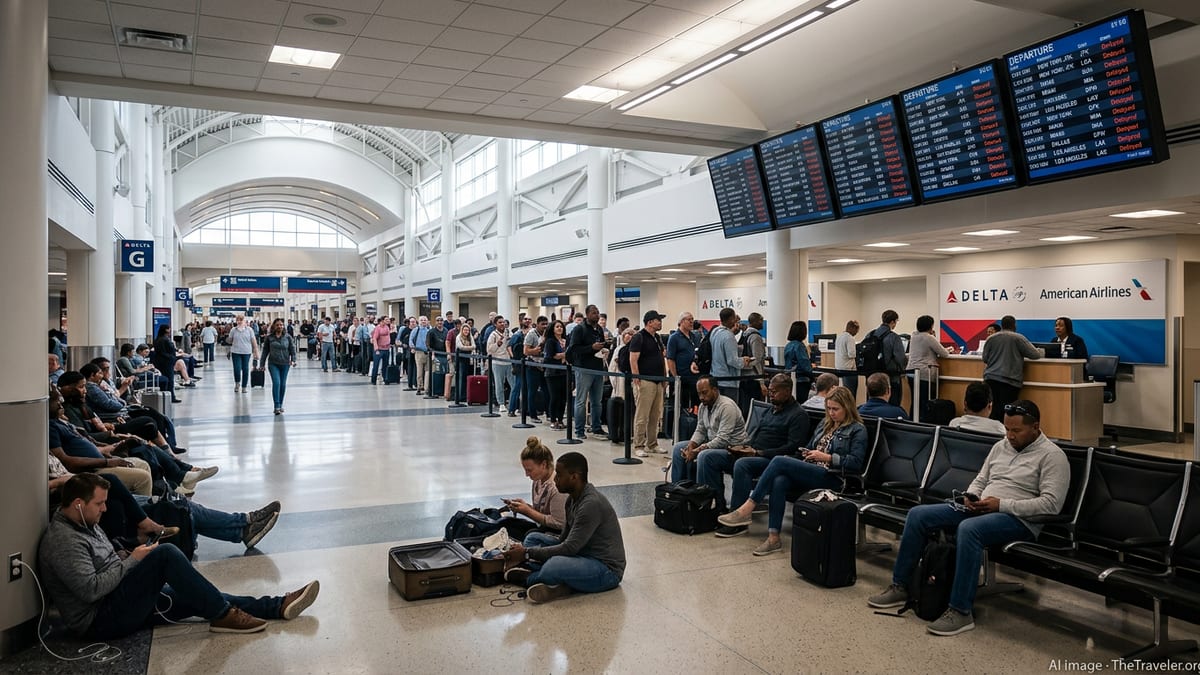
Travelers at Denver International Airport faced extensive disruptions as more than 170 flights were delayed and a small number canceled on Sunday, snarling domestic and international routes for United Airlines, Southwest, Frontier, American Airlines and other carriers.
Get the latest news straight to your inbox!
Weather Turbulence Triggers Fresh Wave of Disruptions
Publicly available flight-tracking data for Denver International Airport on June 7 indicates that 172 departures and arrivals experienced delays, while two flights were canceled during the peak of the disruption period. The operational pinch followed a weekend of stormy weather on Colorado’s Front Range, which has repeatedly challenged air traffic flows into and out of Denver.
Recent regional coverage has highlighted how fast-moving thunderstorms and shifting winds can force air traffic managers to slow the rate of arrivals and departures. When these constraints are layered over an already busy weekend schedule, even a short period of reduced capacity can quickly translate into a large number of delayed flights and missed connections.
Denver International Airport routinely ranks among the busiest hubs in the United States, so even modest interruptions ripple across airline networks. With many carriers running full or near-full loads at the start of the summer travel season, the margin for absorbing schedule shocks remains slim.
The latest delays added to a pattern of weather-linked disruptions seen in recent days, reinforcing concerns that travelers through Denver may face repeated challenges whenever thunderstorms and strong winds develop along the Front Range corridor.
Major Carriers Hit Across Domestic and International Networks
According to flight-status dashboards and aggregated delay reports, United Airlines, Southwest, Frontier and American Airlines accounted for a substantial share of the affected schedule at Denver. These carriers operate dense networks from the airport, linking Colorado’s capital with major domestic destinations such as Chicago, Los Angeles and Phoenix, along with connecting traffic that feeds international routes.
United, which maintains a large hub operation in Denver, saw multiple departures and arrivals pushed back as air traffic control spacing and ground-operations slowdowns took hold. Southwest and Frontier, both with significant point-to-point activity at the airport, also recorded clusters of late-running flights as aircraft arriving behind schedule were turned around for onward legs.
American Airlines, while operating a smaller schedule than United at Denver, nevertheless experienced delays that affected eastbound and southbound connections through its own hubs. Publicly accessible airport traffic summaries show that the mix of impacted flights included both short regional hops and longer transcontinental segments, underscoring how a localized bottleneck can reverberate through wider airline networks.
The disruption extended into select international services as well. With Denver serving as a growing gateway for transatlantic and Latin American routes, delayed feeder flights arriving from cities such as Chicago and Los Angeles increased the risk of misaligned connections for long-haul passengers.
Stranded Passengers Confront Long Waits and Limited Options
The cumulative effect of 172 delays and two cancellations left many passengers effectively stranded in concourses and gate areas, contending with rolling departure times and limited rebooking choices. Busy weekend loads and high summer demand meant that open seats on later flights were scarce, making same-day recovery more difficult for travelers whose flights were significantly delayed or scrubbed.
Travel advice published by passenger-rights organizations indicates that the first step for affected travelers is to monitor official airline apps and airport information screens closely, as re-timings can shift repeatedly when weather and traffic restrictions are in flux. These resources often update more quickly than general search engines or third-party tools.
Consumer guidance also notes that passengers on delayed flights should keep records of boarding passes, delay notifications and any receipts for meals or accommodation. While U.S. regulations do not guarantee standardized compensation for weather-related disruptions, some airlines offer meal vouchers, hotel discounts or partial travel credits as a customer-service measure, particularly when delays extend late into the evening.
With Denver functioning as a major connecting hub, disruption at the airport can strand travelers not only in Colorado but also in downline cities awaiting aircraft that are running behind schedule. This amplifies the overall impact of what begins as a localized operational challenge.
Chicago, Los Angeles and Other Key Routes Affected
Route-level flight tracking shows that some of the heaviest pressure fell on trunk lines connecting Denver with other major U.S. metros, including Chicago and the Los Angeles basin. These corridors typically see multiple daily departures across United, Southwest, Frontier and American, so any reduction in throughput at Denver immediately affects a large number of passengers.
Delays on these routes can be particularly disruptive because many trips are designed around tight connections onward to the East Coast, the Midwest or international gateways on the West Coast. A late-morning or midday hold in Denver can cause travelers to miss evening departures from airports such as Chicago O’Hare or Los Angeles International, forcing overnight stays or next-day rebooking.
Regional routes to and from Denver, including services to mountain and plains states, also felt the knock-on effects. Aircraft and crew arriving late from major hubs reduced the flexibility to cover scheduled departures to secondary cities, which can see fewer alternative flights in any case.
As schedules compressed, airlines sought to prioritize flights with large numbers of connecting passengers, but publicly available data suggest that some point-to-point services faced longer delays while carriers worked to keep the broader network moving.
Ongoing Vulnerability as Summer Travel Ramps Up
The latest round of disruption at Denver comes at a moment when overall passenger volumes through the airport are trending higher than in previous years. Airport traffic dashboards released in recent months show steady growth in both domestic and international seats, reflecting Denver’s expanding role as a connecting hub for multiple airlines.
Aviation analysts noted in recent coverage that the combination of strong passenger demand, tightly scheduled aircraft utilization and increasingly volatile weather patterns can create recurring stress points at large hub airports. When storms or strong winds prompt ground-delay programs or arrival metering, airlines have less buffer in their operations to absorb the impact without widespread delays.
Travelers scheduled through Denver in the coming weeks are being encouraged by consumer groups and travel advisers to build in additional connection time, particularly during afternoons and evenings when thunderstorms are more likely along the Front Range. Flexible planning, including consideration of early-morning departures where possible, may reduce the risk of missed onward flights.
While the current episode involved 172 reported delays and two cancellations, the broader pattern indicates that Denver International Airport will remain sensitive to rapid shifts in weather throughout the summer peak. Passengers and airlines alike are likely to continue navigating a fine balance between robust demand and the operational realities of flying through a high-elevation hub in a storm-prone region.