


More news on this day
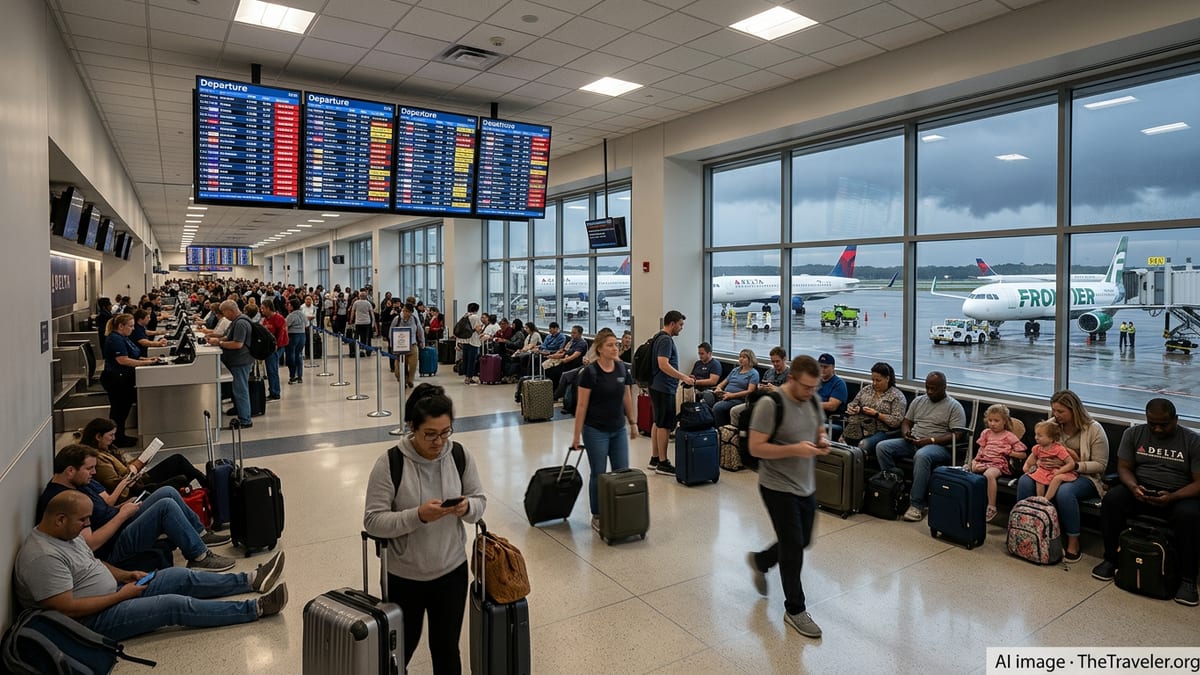
Severe thunderstorms sweeping across the Atlanta area have led to significant flight delays and cancellations at Hartsfield-Jackson Atlanta International Airport, creating a ripple of disruption for major US and international carriers at the height of the summer travel period.
Get the latest news straight to your inbox!
Ground Stops and Weather Disruptions at the World’s Busiest Hub
Publicly available aviation data and media coverage indicate that storm systems moving through metro Atlanta over the weekend prompted ground stops and lengthy flow restrictions at Hartsfield-Jackson Atlanta International Airport. Ground stops temporarily halt departures bound for a specific airport so that air traffic controllers can safely manage arriving traffic when conditions deteriorate. As storms built over north and central Georgia, flights headed to Atlanta were held on the ground at origin airports and inbound traffic already in the air was slowed, causing knock-on delays throughout the system.
Reports from aviation monitoring tools and local news outlets show that inbound flights to Atlanta faced extended holding and reroutes, while many departures were pushed back from their scheduled times or canceled entirely. Passengers connecting through the hub encountered crowded gate areas and rebooking queues as airlines worked through backlogs created by earlier ground stops.
Information published by federal aviation resources on Monday morning showed no active nationwide ground stoppages, suggesting that the most acute restrictions tied to the latest line of storms had eased. However, residual delays, aircraft and crew misalignment, and ongoing convective weather in the Southeast continued to affect operations through the early part of the day.
Impact on Delta and Other Major US Carriers
Atlanta is the largest hub for Delta Air Lines and a critical connecting point across its domestic and long-haul international network. According to route and hub data published about the carrier, Atlanta serves as Delta’s primary gateway to the Southern and Eastern United States and a key link to Latin America, the Caribbean and transatlantic markets. When operations slow at Hartsfield-Jackson, the effects quickly spread to other Delta stations in the US and abroad.
Flight-tracking dashboards on Monday showed clusters of delayed and canceled Delta departures from Atlanta, particularly on short-haul routes where aircraft utilization is high and turn times are tight. Schedules for other major US airlines, including American, United and Southwest, also displayed elevated delay levels on services touching Atlanta, reflecting the airport’s role as a shared node in the national airspace system despite Delta’s dominance at the field.
Low-cost and leisure-focused carriers that have built sizable presences in Atlanta, as well as smaller regional operators feeding larger hubs, faced similar challenges. Disruptions at the airport often force airlines to consolidate flights, substitute aircraft types and adjust crew pairings, leading to rolling changes that can stretch into subsequent travel days even after the original weather trigger has passed.
International Connections and Long-Haul Vulnerabilities
Hartsfield-Jackson has expanded its international reach in recent years, attracting additional European, Latin American and African carriers alongside Delta’s global network. Published airport data highlight new and growing long-haul links, including routes operated by foreign flag carriers that use Atlanta as an entry point to the US market.
When weather or traffic management programs slow operations, long-haul departures and arrivals are particularly vulnerable. Widebody flights to Europe, Africa and South America often operate once daily or only a few times per week, leaving passengers with fewer immediate alternatives if a flight is significantly delayed or canceled. Airline schedules and historical performance data show that missed connections on these services can strand travelers far from home and may require overnight accommodations and complex rebookings.
According to operational guidance outlined by airlines and federal agencies, carriers typically prioritize restoring long-haul connectivity once immediate safety and traffic-flow concerns are addressed. That can involve repositioning aircraft, rerouting crews and, in some cases, operating extra sections after the worst of a disruption has passed. For travelers, this means it can take a full day or more before international service patterns return to normal following a major weather event centered on Atlanta.
From Isolated Storms to Systemwide Delays
Studies of delay patterns and disruption reports for Hartsfield-Jackson show that localized weather in the Southeast can quickly translate into systemwide impacts across the US. Aircraft scheduled to depart Atlanta for cities such as New York, Chicago or Dallas may arrive late to their next destinations, where they are then scheduled to operate additional legs. Each delay can cascade into subsequent flights, contributing to rolling disruptions far from the original storm cell.
Recent industry analyses of on-time performance rank Atlanta among the nation’s busiest departure points, with roughly three-quarters of flights departing on time over the prior year. Even with relatively strong average performance, the airport still records a notable share of delayed departures and a smaller fraction of cancellations, underscoring how a single day of severe weather can push normal disruption levels sharply higher.
Travel data for the broader network show that summer holiday periods, including the days surrounding the Fourth of July, are among the heaviest for passenger volumes. When severe storms coincide with peak travel dates, airlines have less slack in their schedules, gate space and crew availability, magnifying the effects of any ground stops or traffic management initiatives imposed around Atlanta.
What Travelers Can Expect in the Coming Days
Publicly available forecasts for the Southeast indicate the potential for additional rounds of showers and thunderstorms, raising the risk of renewed delays at Atlanta and other major hubs. Even if large-scale ground stops are not repeated, slower arrival and departure rates during stormy periods can lead to holding patterns, gate holds and intermittent flow restrictions that add time to passengers’ journeys.
Airlines serving Atlanta continue to publish travel advisories and flexible rebooking options during periods of heightened disruption. These advisories often allow affected customers to change travel dates or times without standard change fees, and in some cases without paying fare differences, when staying within specified windows and routing rules. Travelers connecting through Atlanta are encouraged, in publicly available guidance, to monitor flight status frequently, consider longer connection times and remain alert for gate changes as carriers work through backlogs.
Operational statistics and recent disruption histories suggest that while most weather-related events at Hartsfield-Jackson are resolved within a day, the largest storms can leave residual imbalances across aircraft and crews that linger for several rotations. Passengers flying through Atlanta over the next few days may therefore continue to encounter delays that trace back to the latest wave of thunderstorms, even as schedules gradually stabilize and the airport once again handles its typical high volume of daily departures and arrivals.