


More news on this day
Mounting security threats in and around the Strait of Hormuz are rippling across the Gulf’s tourism economy, as Iran joins regional neighbors and key source markets in confronting heightened travel anxiety linked to “ghost” oil tankers, maritime alerts and shifting cruise and air itineraries.
Get the latest news straight to your inbox!
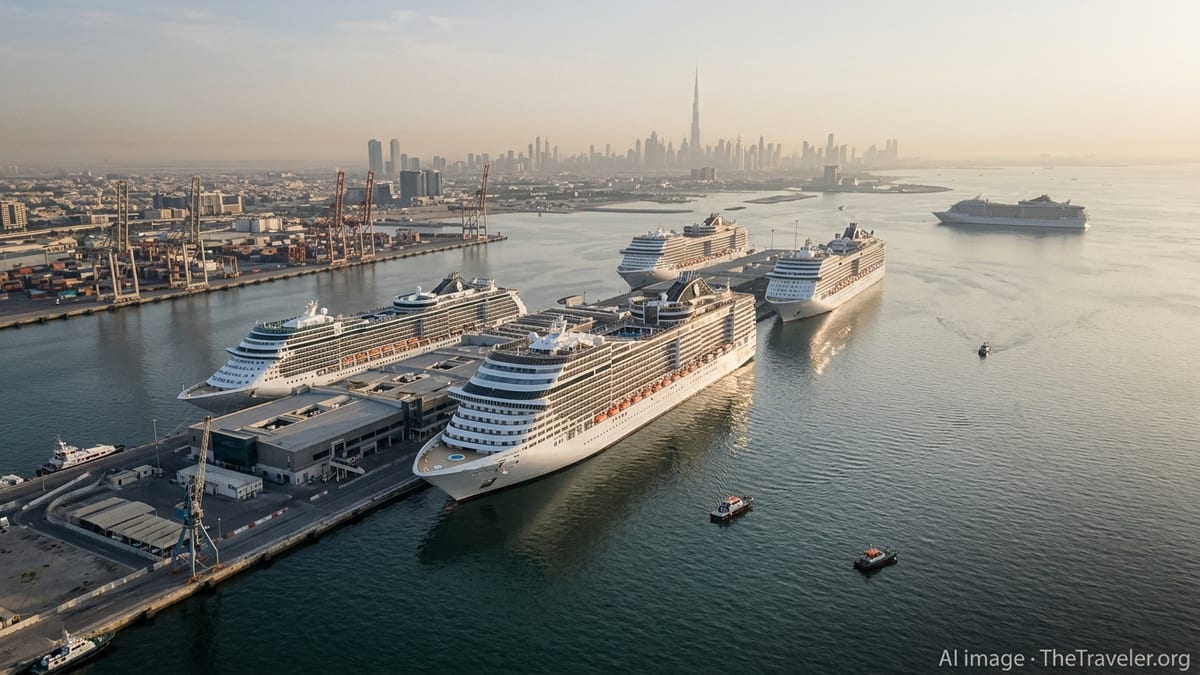
Maritime Flashpoints Turn Oil Chokepoint Into Tourism Risk Zone
The Strait of Hormuz has long been one of the world’s most strategically sensitive shipping lanes, but recent military tensions and vessel seizures have turned long-standing security concerns into a visible travel risk for visitors considering Gulf itineraries. Publicly available data from energy analysts describes the narrow channel between Iran and Oman as a critical transit route for crude and liquefied natural gas exports, with Saudi Arabia, the United Arab Emirates, Qatar, Kuwait and Iraq all heavily dependent on its uninterrupted flow.
Over the past two years, a pattern of vessel boardings and detentions attributed to Iranian forces in the Strait of Hormuz and the Gulf of Oman has been documented in advisories from maritime authorities. One widely reported incident in November 2025 involved the seizure of the tanker Talara while it was sailing off the Emirati coast, adding to an earlier wave of detentions of commercial ships flagged to US partners and European states.
Parallel to seizures and missile incidents in nearby waters, maritime risk consultants note an elevated threat level for the wider Gulf, Hormuz and northern Arabian Sea region, linked to the broader confrontation between Iran, Israel and Western forces. Updated guidance from bodies such as the Norwegian Maritime Authority continues to strongly discourage transits through Hormuz for certain categories of commercial shipping, signalling that regional security is not yet stabilising in a way likely to reassure leisure travelers.
For tourism-dependent economies including the UAE, Oman, Qatar and Bahrain, these flashpoints coincide with a period of ambitious destination marketing, record hotel developments and expanding cruise calls. The security backdrop now presents a reputational challenge that may require more visible safety messaging to maintain visitor confidence.
Ghost Tankers and Shadow Fleet Raise Alarm Beyond Energy Markets
Underlying today’s anxiety is the steady growth of a “shadow fleet” of aging, lightly insured tankers transporting sanctioned oil, often associated in open-source reporting with Iranian exports. Tracking services and sanctions monitors describe these ghost tankers as routinely operating with transponders switched off, conducting ship-to-ship transfers in remote anchorages and routing through high-risk waters near Hormuz.
For years this mostly unsettled regulators and commodity traders, but as regional conflict has intensified, the prospect of an accident or targeted strike involving such vessels has taken on a tourism dimension. Cruise planners, coastal resort developers and travel insurers are now factoring in the possibility of pollution incidents or temporary exclusion zones, particularly in shallow or congested waters where older tankers are more vulnerable.
Analysts also point to the psychological impact of the shadow fleet’s visibility. Even if cruise ships and passenger ferries are not the primary focus of military activity, the sight of escorted tankers, naval vessels and irregular shipping movements near popular coastal skylines can alter visitor perceptions of safety. In destinations that promote tranquil beachfront stays in Dubai, Ras Al Khaimah, Musandam or southern Iran, the presence of tanker convoys and overhead surveillance activity risks undermining marketing narratives built around calm seas and uninterrupted sunshine.
Travel observers note that tourism boards across the region have so far responded by emphasising inland attractions, heritage districts and desert experiences, creating more distance between promotional imagery and the contested maritime frontier just beyond the horizon.
Airlines, Cruises and Tour Operators Reassess Gulf Itineraries
The confluence of Red Sea disruptions and Hormuz-specific risks has already pushed travel operators to rethink multi-stop itineraries that connect the eastern Mediterranean, the Suez Canal and the Gulf ports. Cruise sector reports in late 2025 described extended diversions around southern Africa in response to Houthi attacks near the Bab el Mandeb Strait, lengthening voyages and reshaping seasonal deployment plans.
As security focus shifts toward Hormuz, industry advisories highlight increased war-risk premiums and more restrictive insurance classifications for waters off Bahrain, Kuwait, Qatar and Oman. These designations raise operating costs for both cargo and passenger vessels, which in turn can make marginal Gulf cruise calls or repositioning voyages financially unviable. Some itineraries that once featured overnight stays in Dubai or Abu Dhabi combined with calls in Muscat and Khasab have instead been redesigned to concentrate on the Red Sea, Indian Ocean islands or eastern Mediterranean ports when routing permits.
Air connectivity is also indirectly affected. While commercial flight paths are carefully managed to avoid active conflict zones, recurring missile launches, unmanned surface vessel attacks and electronic interference incidents have led aviation authorities and carriers to review routings, altitudes and contingency plans. Even when schedules remain intact, a flurry of high-profile risk assessments can influence how comfortable travelers feel booking stopovers in Doha, Manama, Kuwait City or Tehran for trips between Europe, Asia and North America.
Tour operators that package Gulf city breaks with regional cruises or overland combinations involving Jordan and Saudi Arabia are now placing greater emphasis on flexible booking policies, clear insurance advice and real-time communication with guests as conditions evolve.
Iran’s Tourism Ambitions Meet Elevated Advisories
Iran itself has worked in recent years to position historic cities such as Isfahan, Shiraz, Yazd and Tabriz as emerging cultural tourism hubs, supported by a growing inventory of boutique hotels and domestic flight links. However, travel advisories from Western governments currently classify the country at the highest risk level for leisure visitors, citing concerns that range from internal security to the potential for arbitrary detention and regional escalation.
Sea travel sections of these advisories explicitly reference past seizures of foreign-flagged vessels and caution against recreational boating near Hormuz-adjacent waters. This combination of onshore and maritime warnings effectively sidelines Iran from many mainstream tour programs that might otherwise pair Gulf city-stay stopovers with heritage circuits inside the country.
The timing is especially challenging given broader Gulf tourism competition. Neighboring destinations such as Saudi Arabia and Qatar are investing heavily in festivals, sporting events and giga-projects designed to capture long-haul demand. While those same states are also grappling with Hormuz-related anxieties, they benefit from larger marketing budgets, more diversified air hubs and, in some cases, more moderate advisory language that allows for targeted tourism corridors away from immediate maritime hotspots.
For Iranian tourism operators, the current maritime climate reinforces the need to focus on regional source markets less constrained by Western advisories and to deepen overland links where feasible. Yet proximity to Hormuz and association with the shadow fleet ensure that global headlines about tanker incidents inevitably shape perceptions of trips that may be geographically distant from the actual flashpoints.
Travel Confidence Tested From Washington to Amman
Beyond the Gulf littoral states, concern about Hormuz-related risks is increasingly evident in advisories and consumer messaging from the United States and other key outbound markets. The US Department of State maintains its highest-level warning against travel to Iran and continues to flag terrorism and conflict risks across parts of the wider Middle East, influencing how American travelers weigh stopovers in hubs such as Dubai, Doha and Abu Dhabi when planning long-haul journeys.
Governments in Europe and Asia have issued their own updates that, while not discouraging all travel to Gulf Cooperation Council members, urge heightened vigilance and close monitoring of maritime and regional security developments. For Jordan and other destinations that market combined itineraries linking Petra, Red Sea resorts and Gulf city stays, the net effect is a more cautious customer base and longer decision cycles for high-value trips.
Industry analysts suggest the current period may accelerate existing trends toward more segmented tourism growth in the region. Urban, conference and medical travel in well-connected cities could remain resilient, while seafront leisure, regional cruises and multi-country circuits that depend on confidence in maritime corridors may lag until insurance costs, naval postures and tanker movements return to a steadier pattern.
For now, the message emerging from travel and maritime advisories is that the Strait of Hormuz is not formally closed, but it is far from business as usual. As ghost tankers proliferate and war-risk assessments tighten, tourism planners from Tehran to Muscat and Dubai to Amman are being forced to treat the world’s most watched oil chokepoint as a central variable in their visitor strategies, not a distant backdrop.