


Few city choices shape your Istanbul trip as much as where you sleep. For most visitors it comes down to two big names: Sultanahmet, the historic peninsula of mosques and palaces, or Taksim, the modern hub of shopping, dining and nightlife. Both are well connected by tram, metro and funicular, both offer hundreds of hotel options, and both are safe for visitors who take normal big-city precautions. Yet the experiences could not feel more different. This guide breaks down the reality on the ground, with concrete examples and up to date context, to help you decide which neighborhood fits your travel style better.
Get the latest updates straight to your inbox!
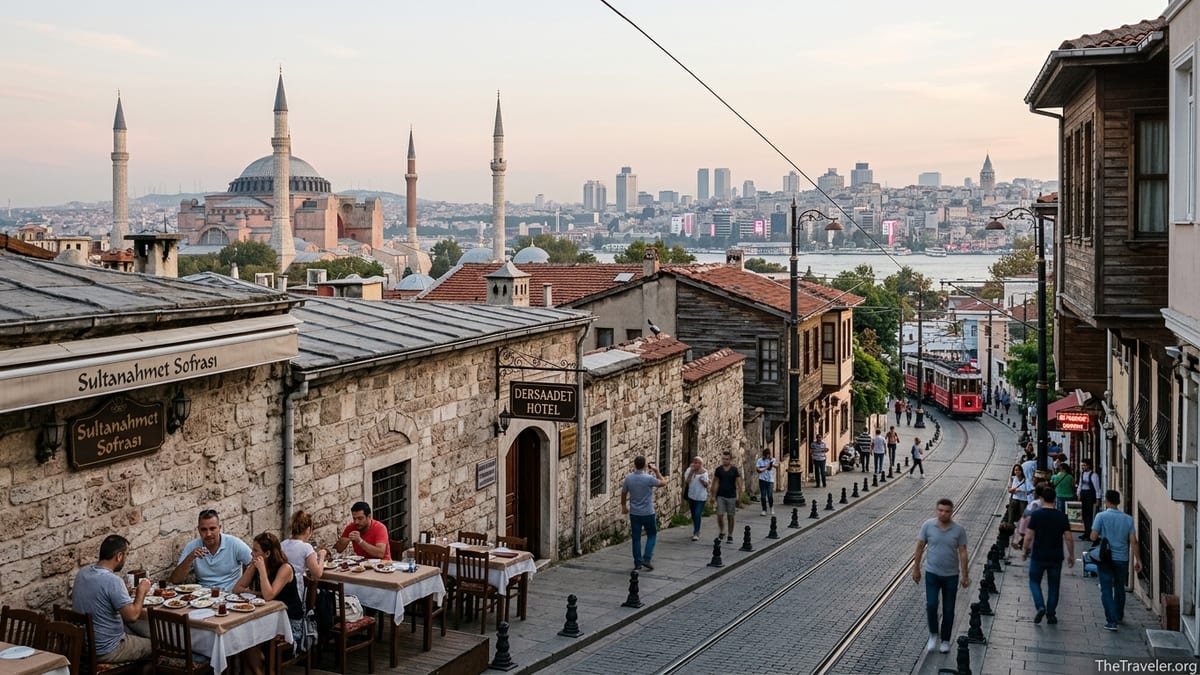
Sultanahmet vs Taksim in a Nutshell
At the broadest level, Sultanahmet is for travelers who want to wake up inside a storybook version of old Istanbul, while Taksim appeals to visitors who want to plug straight into the city’s contemporary energy. In Sultanahmet you step out of your guesthouse and within minutes you are walking past the Blue Mosque, Hagia Sophia, the Basilica Cistern and Topkapi Palace. In Taksim you step into a world of global brands on Istiklal Avenue, third wave coffee shops, rooftop bars and late-night street music.
On a short first visit of two or three days, many people lean toward Sultanahmet because it puts the most famous sights at your doorstep. A couple staying near Sultanahmet Square might spend a whole day exploring Hagia Sophia and the Blue Mosque on foot, then end the evening with tea in Sultanahmet Park as the call to prayer echoes around them. In contrast, someone booking a week and planning to explore beyond the historic core might prefer Taksim, using Taksim Square as a base to reach neighborhoods like Cihangir, Galata, Şişli and Beşiktaş, as well as the Asian side.
The good news is that you do not have to choose one and miss the other. The T1 tram runs through Sultanahmet and continues to the waterfront at Kabataş, where a short underground funicular ride whisks you up to Taksim Square in a matter of minutes. In practice, you can sleep in one area and visit the other easily in a single day. The choice is less about access and more about the atmosphere you want outside your hotel.
Atmosphere: Old-World Charm vs Modern Buzz
Sultanahmet’s atmosphere is defined by its UNESCO-listed monuments and low-rise Ottoman and Byzantine architecture. Streets are generally quieter in the evening once day-trippers leave. You will find many small family-run hotels and pensions on narrow cobbled lanes around the Hippodrome, often with rooftop terraces overlooking domes and minarets. A typical evening here might mean a slow dinner in a traditional restaurant on Akbıyık Street, followed by a stroll past softly lit mosques rather than bar-hopping.
Because Sultanahmet sits in the conservative Fatih district and serves heavy tourist traffic during the day, nightlife is limited. There are a few bars and meyhanes, but most places close relatively early and the area can feel almost village-like by midnight. This suits early risers, families with young children and travelers who value quiet nights and mosque views more than live music. For example, a family staying near the Sultanahmet tram stop can easily be back in their room by 9 pm after dinner, with very little street noise disturbing kids’ sleep.
Taksim and the surrounding Beyoğlu district feel like another city altogether. Taksim Square anchors the northern end of Istiklal Avenue, a 1.4 km pedestrian street lined with international brands, indie boutiques, bakeries, bookshops, cinemas and galleries. Side streets such as Nevizade, Asmalımescit or Mis Sokak are packed with meyhanes, bars and small clubs, many offering live Turkish rock or jazz. It is normal to see crowds out well past midnight, especially on weekends, and you might hear buskers playing along the avenue until the early hours.
This energy continues during the day. Coffee chains sit next to laptop-friendly cafes and co-working style spaces where digital nomads linger over Turkish coffee or flat whites. If you imagine yourself starting the morning with espresso and simit at a hip cafe, browsing design shops in Cihangir in the afternoon, and finishing with a drink on a Bosphorus-view rooftop, Taksim is the more natural match. Just expect more noise at night, especially if your hotel faces busy streets near Istiklal.
Location, Transport and Getting Around
Both Sultanahmet and Taksim are well integrated into Istanbul’s growing rail network. Sultanahmet is served by the T1 tram line, which links it to major hubs like Eminönü, Karaköy and Kabataş. From Sultanahmet tram stop you can ride east to the Grand Bazaar, then down to the waterfront, and continue all the way to Kabataş for ferries and the funicular to Taksim. This means that even if you stay in the historic quarter, you can reach Taksim in about 20 to 30 minutes door to door, depending on walking time and transfers.
Taksim sits on the M2 metro line, which runs south to Şişhane near Galata and across the Golden Horn toward Yenikapı, where it connects with Marmaray suburban trains under the Bosphorus. Taksim is also at the top of the F1 funicular, connecting it to Kabataş and the T1 tram. As a concrete example, a traveler staying near Taksim Square can take the F1 funicular down to Kabataş, transfer directly to the T1 tram, and be in Sultanahmet in around 20 minutes without ever needing a taxi.
Airport access also favors Taksim slightly. Many airport shuttle buses and private transfer services run direct routes from Istanbul Airport or Sabiha Gökçen Airport to Taksim Square, often taking around an hour in normal traffic. From Sultanahmet, you may need a taxi, pre-booked transfer or a combination of metro and tram with at least one change. That said, visitors traveling light can still use public transport all the way to Sultanahmet by combining the metro lines with the T1 tram and an Istanbulkart, the city’s transport card.
For walking, Sultanahmet is more compact. Most top sights lie within a 10 to 15 minute radius on foot, but there are more inclines and cobblestones. Taksim and Beyoğlu are also walkable but spread over a larger hilly area, and streets can be crowded, particularly along Istiklal Avenue. Those with mobility challenges often find Sultanahmet’s short distances convenient but may struggle with uneven pavements, while in Taksim the issue is less about cobblestones and more about slopes and crowd density.
Where You Sleep: Hotels, Guesthouses and Prices
Sultanahmet’s accommodation scene leans heavily toward small and mid-sized hotels, many operating in historic townhouses or low-rise buildings. You will find a wide range of family-run pensions, three-star hotels and boutique properties with terraces facing the Bosphorus or the old city skyline. Budget travelers might find simple double rooms in older buildings starting around the lower end of the city’s mid-range prices outside peak season, while mid-range boutique stays with breakfast and a good terrace are commonly in a moderate nightly range depending on view and season.
At the top end, Sultanahmet houses some of the city’s most atmospheric luxury stays, including historic properties converted from Ottoman-era buildings or former prisons. These hotels often feature courtyards, marble details and direct Hagia Sophia views. Travelers who value a strong sense of place sometimes choose to spend at least one night in Sultanahmet even if they base themselves elsewhere for the rest of their trip, simply for the experience of hearing the dawn call to prayer echo around the square from a rooftop breakfast terrace.
Taksim, on the other hand, offers a larger share of branded hotels, larger four and five-star chains and modern apartment-hotels. The cluster of high-rise hotels around Taksim Square and along the main avenues toward Şişli caters to business travelers as much as tourists, so you may find more availability midweek or off season. Prices span from simple pensions on side streets a short walk from the square to full-service hotels with gyms, pools and conference facilities.
Because Beyoğlu and nearby districts like Cihangir, Galata and Karaköy are popular with younger visitors and long-stay travelers, short-term rental apartments and aparthotels are common. A digital nomad could rent a compact studio just off Istiklal Avenue, giving them quick access to cafes with strong Wi-Fi and co-working spaces, while a group of friends might prefer a multi-bedroom apartment in Cihangir, walking distance from both Taksim and the tram or metro connections downhill.
Food, Cafes and Nightlife
Sultanahmet’s restaurant scene is geared heavily toward visitors, especially on the streets closest to the main square. Menus often feature mixed grills, pide, meze platters and familiar international dishes. While you can certainly find good meals here, prices near the biggest monuments may be higher than in more local neighborhoods and some places rely on foot traffic more than repeat customers. To eat better for roughly similar money, many travelers walk a few blocks away from the main squares to less flashy streets or cross by tram to Eminönü or Karaköy, where locals line up at fish sandwich stalls and traditional lokantas.
Cafes in Sultanahmet tend to be quieter, with many offering Turkish tea, coffee and simple pastries rather than specialty brews. A traveler who wants to spend a few hours working on a laptop can find spots, but the area does not have the same density of work-friendly cafes you see around Taksim and Cihangir. Nightlife is limited to a handful of bars, hookah lounges and hotel rooftops that serve drinks and sometimes live music. If your perfect evening is a single glass of wine on a terrace watching the minarets light up, Sultanahmet fits nicely.
Taksim and Istiklal Avenue offer a much broader range of eating and drinking options. Along and around Istiklal you will find everything from traditional meyhanes serving raki and meze on side streets like Nevizade, to contemporary bistros, vegan cafes and international fast food. Rooftop venues overlooking the Bosphorus compete with basement bars offering live bands. A typical night for a group of friends might start with dinner in an old-school tavern, move to a cocktail bar in Beyoğlu, and continue to a small club or late-night cafe.
For daytime cafe culture, Taksim and nearby Cihangir, Galata and Karaköy are strong draws. Travelers regularly report settling into laptop-friendly spots with specialty coffee, reliable Wi-Fi and plenty of electrical outlets, ideal for remote workers or students. You will still find classic Turkish tea gardens in the area, but the overall feel is more cosmopolitan. If discovering new cafes, bakeries and dessert shops is a priority, Taksim general surroundings will give you far more variety within a short walk.
What Kind of Traveler Fits Each Area?
First-time visitors who have dreamt for years of seeing Hagia Sophia and the Blue Mosque often feel that staying in Sultanahmet makes the most sense, especially on trips of three nights or less. You can wake up, walk to Topkapi Palace when it opens, visit the Basilica Cistern after lunch, and return to your room for a rest before dinner without ever using transport. Older travelers, those with limited time or people traveling with small children frequently appreciate this convenience. A couple on a 48-hour stopover, for example, might spend their entire visit between Sultanahmet, the Grand Bazaar and a short ferry ride, all of which are easiest from a base in the historic center.
On the other hand, younger travelers, repeat visitors and those interested in nightlife or contemporary culture tend to gravitate toward Taksim and Beyoğlu. Here you can combine daytime sightseeing in Sultanahmet with evenings in live music venues, modern art galleries and busy streets that stay active late into the night. A solo traveler in their twenties might use Taksim as a base so that after an afternoon of museums across the Golden Horn, they can return to find bars and cafes buzzing just a few minutes’ walk from their hostel or hotel.
Travelers who value a local neighborhood feel sometimes split the difference. They might spend the first two nights in Sultanahmet to tick off the major sights, then move across the Golden Horn to Galata or Cihangir, both walkable to Taksim but slightly calmer than the streets right off the square. This two-base strategy lets them experience the old city atmosphere and still enjoy easier access to the wider city network and nightlife for the rest of their stay.
Specific needs also matter. Families pushing strollers may prefer the calmer evenings and parks around Sultanahmet, provided they are prepared for cobblestone streets. LGBTQ+ travelers and visitors who prioritize a visibly liberal environment often feel more at ease in Beyoğlu neighborhoods like Cihangir and around Istiklal Avenue, where cafes, bars and cultural spaces tend to be more visibly inclusive. Business travelers often default to Taksim simply because conference venues and transport links align with their schedules.
Safety, Crowds and Everyday Practicalities
Both Sultanahmet and Taksim are well-trodden tourist zones with a constant police presence and heavy foot traffic. Street crime mostly takes the form of petty theft aimed at distracted visitors in crowded areas. In Sultanahmet, typical annoyances include carpet shop invitations, overly friendly touts and restaurants with insistent hosts trying to pull you in. While usually harmless, this can feel tiring after a few days, especially around Sultanahmet Square and the tram stop.
Taksim’s issues are different. The sheer volume of people, especially on Istiklal Avenue at night and on weekends, makes pickpocketing more of a concern, especially around popular meeting points and side streets filled with bars. There have also been scattered reports over the years of bar scams in certain nightlife spots, where visitors are overcharged for drinks or pressured to buy rounds for strangers. Choosing well-reviewed, established venues on busy streets, checking drink prices before ordering and avoiding invitations from overly persistent strangers significantly reduces these risks.
Noise is another practical consideration. In Sultanahmet, early morning calls to prayer are part of the soundscape, and some hotels sit very close to mosques. Light sleepers should consider properties with good soundproofing or rooms that do not face main streets and squares. In Taksim, noise mostly comes from late-night bars, traffic and crowds. Guests staying on narrow lanes just off Istiklal sometimes report music and voices carrying up to their rooms until the early hours, so if quiet is important, look for hotels a short walk away from the busiest streets or request higher floors facing courtyards.
Everyday errands are easier around Taksim due to the higher concentration of supermarkets, pharmacies, electronics shops and services. Sultanahmet has basic options, but many locals who work in the area do their serious shopping elsewhere. For example, a traveler who realizes they need a new phone charger or a warm jacket on a chilly day is likely to find far more choice within a 10 minute walk of Taksim Square than near Sultanahmet Square.
The Takeaway
If your mental image of Istanbul is all domes, minarets and Ottoman courtyards, and your priority is to see the classic sights without spending much time on transport, Sultanahmet is likely the better fit. You will be able to walk to Hagia Sophia, the Blue Mosque, Topkapi Palace and the Grand Bazaar, return to your room for a rest, and enjoy quiet evenings with views of the historic skyline. This suits short stays, first-time visitors, early risers and families who prefer calm streets at night.
If you picture yourself drinking coffee in stylish cafes, exploring independent galleries, hopping between meyhanes and rooftop bars, and using public transport to explore multiple districts on both sides of the Bosphorus, Taksim and its surrounding neighborhoods will feel more natural. You will trade mosque views for buzzing streets and easier late-night logistics, especially if you plan to make the most of Istanbul’s nightlife and dining scene.
For many travelers the ideal solution is a mix. Spending two or three nights in Sultanahmet and then moving to Taksim or nearby Galata or Cihangir gives you a taste of both historic grandeur and modern energy. Whichever base you choose, the tram, metro, funicular and ferries make it straightforward to experience the other side of the city. In the end, the “right” neighborhood is the one that matches how you want to feel when you step out of your hotel door each day of your Istanbul journey.
FAQ
Q1. Is Sultanahmet or Taksim better for a first-time visitor with only two or three days?
For very short trips, Sultanahmet usually works better because you can walk to Hagia Sophia, the Blue Mosque, Topkapi Palace and the Grand Bazaar in minutes, saving time on transport and maximizing sightseeing.
Q2. Which area is better for nightlife and bars?
Taksim and the surrounding Beyoğlu district clearly win for nightlife, with countless bars, meyhanes, live music venues and late-opening cafes in and around Istiklal Avenue.
Q3. Can I easily visit Taksim if I stay in Sultanahmet?
Yes. You can take the T1 tram from Sultanahmet to Kabataş and then the F1 funicular up to Taksim Square, usually in about 20 to 30 minutes depending on walking and waiting times.
Q4. Is Sultanahmet safe at night?
Sultanahmet is generally safe, especially on the main streets around the square and tram stop. It becomes quiet after dark, so normal big-city precautions like avoiding deserted alleys late at night still apply.
Q5. Is Taksim too noisy for light sleepers?
Some streets near Istiklal Avenue can be noisy until late, particularly on weekends. If you are sensitive to sound, choose accommodation a few blocks away from the busiest streets or request a room facing an inner courtyard.
Q6. Which neighborhood is better for families with young children?
Many families prefer Sultanahmet because they can walk to major sights without using crowded public transport and the streets are generally calmer in the evening, making early bedtimes easier.
Q7. Where will I find more budget-friendly food options?
Both areas have budget options, but you will often find better value by walking a few blocks away from the most touristy streets. From Sultanahmet, crossing by tram to Eminönü or Karaköy can offer more local-priced eateries, while in Taksim, exploring side streets off Istiklal helps.
Q8. Is Taksim a good base for exploring both the European and Asian sides?
Yes. From Taksim you can reach ferry terminals in Karaköy or Kabataş quickly by funicular or short tram rides, making day trips to Asian-side neighborhoods like Kadıköy and Üsküdar straightforward.
Q9. Are there good coffee shops for remote work in Sultanahmet or Taksim?
You will find a few calm cafes in Sultanahmet, but Taksim and surrounding areas like Cihangir and Galata have a much higher concentration of laptop-friendly coffee shops with reliable Wi-Fi and plenty of seating.
Q10. If I split my stay between Sultanahmet and Taksim, how should I divide my nights?
A common pattern is two or three nights in Sultanahmet for classic sightseeing, followed by three or more nights in Taksim or nearby Galata or Cihangir to enjoy modern Istanbul, nightlife and easier access to other districts.