


More news on this day
Flights into and out of Denver International Airport experienced significant disruptions after a temporary ground stop was issued for what federal aviation data described as “airport volume,” halting many departures and arrivals and forcing some aircraft to hold or divert.
Get the latest news straight to your inbox!
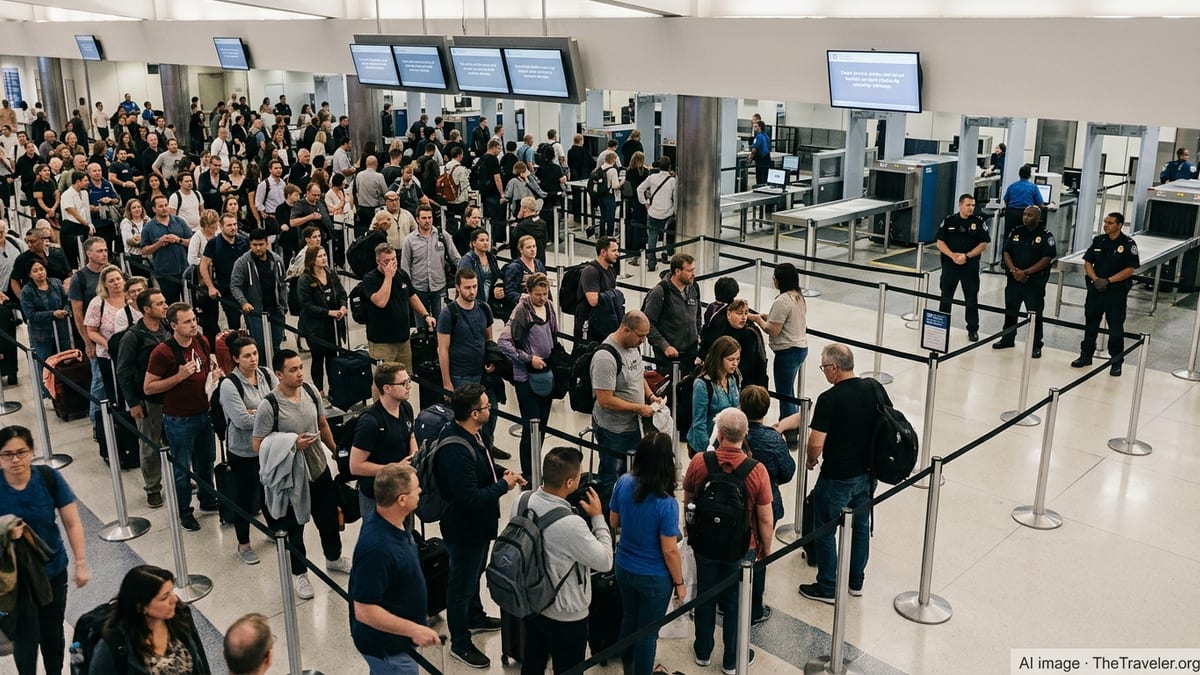
Temporary halt as traffic backs up at major U.S. hub
Publicly available Federal Aviation Administration advisories indicated that a ground stop affecting Denver International Airport was put in place due to airport volume, a term generally used when the number of arriving and departing aircraft exceeds what the facility can safely handle at a given time. The measure paused or limited certain flights, creating a bottleneck across the airport’s operations.
Tracking data and traveler reports showed aircraft waiting on taxiways, extended airborne holding patterns and some diversions to alternate airports while the restriction remained in effect. Passengers described long waits both on board aircraft and inside the terminal as airlines adjusted schedules and re-sequenced flights.
The disruption came at a time when Denver International continues to rank among the busiest airports in the United States by passenger traffic. Industry data in recent years has repeatedly placed the airport near the top of global rankings, a level of demand that can quickly amplify the impact of even short operational constraints.
According to published coverage of recent air traffic control system advisories, Denver has seen several volume and weather related flow programs in recent months, underscoring how quickly traffic can exceed available capacity during peak periods or when conditions reduce runway throughput.
What “airport volume” means for operations
In FAA planning documents, airport volume is typically cited when runways, taxiways, ramp space, or terminal resources are fully utilized, leaving little margin for additional flights without triggering delays. When this occurs, traffic managers may order a ground stop or other flow control measures to prevent more aircraft from entering an already congested environment.
For airlines, a ground stop based on volume can be particularly disruptive because it may not be tied to severe weather or a clear external event. Instead, it reflects a mismatch between scheduled demand and the airport’s real time ability to process aircraft and passengers, including constraints created by construction, staffing, or earlier delays that cascade through the day.
Denver International has been undergoing ongoing construction and terminal modernization projects, which federal performance reports note can affect available gate positions and taxi patterns. When an already busy schedule meets temporary infrastructure limitations, even minor slowdowns can escalate into widespread hold times and re-routings.
Operationally, a volume driven ground stop often prompts the use of departure metering, spacing between arrivals and reduced takeoff and landing rates. These measures help restore an orderly flow but can push flights well outside their published departure and arrival windows.
Ripple effects for passengers across the network
The latest ground stop fed into a pattern that Denver passengers have frequently encountered during peak travel seasons, where one disruption triggers hours of follow on delays. Social media posts and forum discussions referenced aircraft stacking up in arrival queues and long lines at customer service counters as travelers sought rebooking options.
Because Denver serves as a major connecting hub for several carriers, a slowdown there can quickly ripple across the national air network. Missed connections in Denver can strand passengers far from their final destinations, forcing airlines to arrange hotel stays, meal vouchers or alternative routings through other hubs later in the day or the next morning.
Travel industry data show that high volume airports are especially vulnerable to this type of cascading effect. When inbound flights arrive late, aircraft and crews are out of position for later departures, leading to rolling delays that may continue even after the initial ground stop has been lifted.
Passengers with tightly timed itineraries, such as same day connections to smaller regional markets, are often the most affected. Many of those flights operate only once or twice daily, meaning a missed connection in Denver can translate into substantial overnight waits or long detours.
Strain on an airport in the midst of growth and construction
Denver International’s rapid growth has been documented in state and federal transportation analyses, which describe the airport as one of the fastest growing large hubs in North America. With that growth have come complex construction programs aimed at expanding gates, modernizing security checkpoints and reconfiguring terminal space.
FAA construction impact reports identify Denver as a location where active projects can influence runway and taxiway availability, as well as push more traffic onto certain corridors of the airfield. While these upgrades are intended to increase long term efficiency, they can create short term chokepoints that contribute to airport volume advisories.
Local media coverage has also highlighted how seasonal thunderstorms, high winds and winter weather regularly challenge operations at Denver’s high elevation location. When those conditions intersect with heavy schedules and construction constraints, air traffic managers may have limited options other than restricting new flights into the system temporarily.
Observers note that as Denver’s role in domestic and international networks expands, the margin for absorbing irregular operations without visible passenger impact has narrowed, making any ground stop highly disruptive for travelers and airlines alike.
Guidance for travelers during volume-related ground stops
Travel organizations and airline customer guidance materials advise passengers passing through Denver during high demand periods to build extra time into their itineraries and remain prepared for sudden schedule changes. Flexible planning is particularly important for those connecting to last flights of the day or to destinations with limited daily service.
Experts generally recommend monitoring airline apps and airport departure boards closely, as these are often updated more quickly than third party trackers when flow control programs or ground stops are introduced or lifted. Passengers are also encouraged to keep essential medications, chargers and basic necessities in carry on bags in case unexpected time on board or in the terminal stretches into several hours.
For travelers who experience missed connections during a ground stop, published airline policies typically outline when meal vouchers, hotel accommodations or rebooking on other flights may be available. However, when disruptions stem from airspace or airport constraints, compensation practices can vary, and re-accommodation may depend heavily on seat availability once operations begin to normalize.
As Denver International balances rapid growth, infrastructure upgrades and variable weather, aviation analysts suggest that ground stops tied to airport volume are likely to remain an occasional feature of the travel landscape at the Colorado hub, particularly during peak holiday and summer travel windows.