


More news on this day
An American Airlines flight operating as AA2248 between Washington Reagan National Airport and New Orleans diverted to Charlotte Douglas International Airport for an emergency landing after a mid-air operational alert, according to live flight-tracking data and early aviation incident reports.
Get the latest news straight to your inbox!
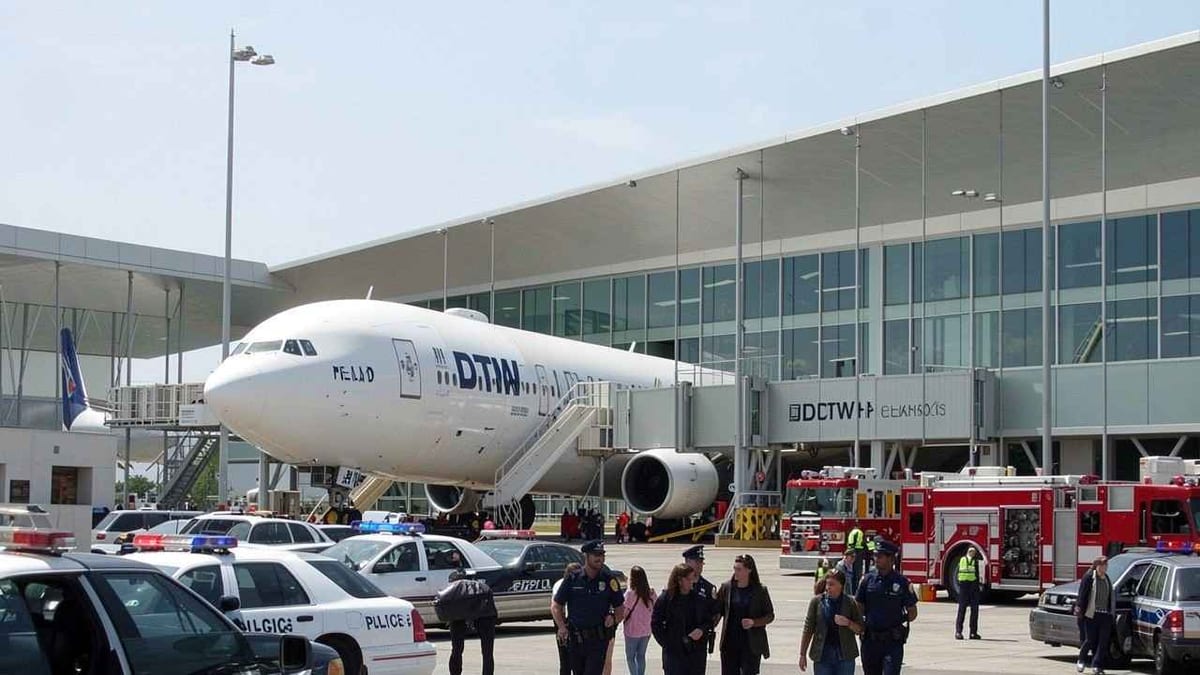
Unexpected Diversion on Washington to New Orleans Route
American Airlines flight AA2248 was scheduled to operate a routine domestic service from Ronald Reagan Washington National Airport to Louis Armstrong New Orleans International Airport when the crew initiated a diversion to Charlotte Douglas International Airport. Publicly available flight-status information shows the aircraft departed the Washington area and later altered course, landing in Charlotte instead of continuing to New Orleans.
Flight-tracking records indicate the aircraft was partway through its planned route when the diversion occurred. The unscheduled change in destination prompted an emergency landing designation, drawing attention from aviation observers who monitor operational irregularities on major U.S. routes.
There were no immediate reports of injuries among passengers or crew following the landing in Charlotte. Information available from airline tracking services and aviation databases indicates the aircraft arrived safely and was brought to a gate for further assessment.
Mid-Air Operational Alert Triggers Emergency Procedures
Early data from aviation tracking platforms points to a mid-air operational alert as the trigger for the diversion. While specific technical details have not been released, such alerts typically encompass potential mechanical irregularities, cockpit indications, or other onboard conditions that require heightened caution.
In line with standard commercial aviation procedures, flight crews are trained to divert to the nearest suitable airport when an alert suggests that continued flight to the original destination may carry elevated risk. Charlotte, one of American Airlines’ primary hubs, offers extensive maintenance facilities and operational support, making it a logical choice for an emergency landing in the southeastern United States.
Available information suggests that the crew followed established safety protocols, coordinating the descent and approach into Charlotte under an emergency designation. Ground resources were positioned to support the aircraft upon arrival, a standard precaution when any in-flight alert is treated as a potential safety issue.
Passenger Disruption and Rebooking Efforts
The diversion from New Orleans to Charlotte led to significant disruption for passengers expecting to arrive on the Gulf Coast. Based on patterns seen in similar events, travelers on AA2248 were likely met with a combination of rebooking, meal vouchers, and overnight accommodation offers where required, depending on onward flight availability and the timing of the incident.
Publicly available travel guidance from the airline notes that customers affected by diversions and irregular operations are typically re-accommodated on the next available flights to their final destinations. In hub locations such as Charlotte, airlines can often consolidate affected passengers onto multiple subsequent departures, although capacity and weather conditions can influence how quickly itineraries are restored.
Some passengers may have chosen to adjust their plans entirely, arranging alternative ground transportation or changing their destinations, particularly if events or connections in New Orleans could not be rescheduled. Social media and traveler forums frequently reflect a mix of frustration over delays and appreciation when diversions clearly prioritize safety over schedule.
Charlotte Douglas’ Role in Diversions and Safety Events
Charlotte Douglas International Airport has emerged as one of the busiest hubs in the American Airlines network, which positions it as a frequent diversion point for flights experiencing operational issues in the eastern United States. Recent aviation coverage has highlighted multiple incidents in which aircraft rerouted to Charlotte for technical checks, precautionary landings, or weather-related constraints.
Industry reporting notes that hub airports with robust maintenance capacity and large numbers of based aircraft are often preferred for diversions. They offer access to airline technicians, spare parts, and additional aircraft, all of which are critical to resolving technical concerns and restoring disrupted schedules.
Charlotte’s airfield layout and infrastructure are designed to handle high traffic volumes while accommodating emergency arrivals with minimal impact on broader operations. Even so, any unplanned landing can trigger temporary runway and taxiway adjustments, leading to knock-on delays for other flights as controllers sequence traffic around an inbound aircraft under emergency handling.
Broader Context in U.S. Aviation Safety
The diversion of AA2248 fits within a broader pattern of precautionary responses across U.S. commercial aviation, where mid-air alerts increasingly result in conservative decision-making. Public data from the Federal Aviation Administration and independent aviation databases shows a steady stream of declared emergencies and diversions that end without injuries, reflecting systems designed to err on the side of caution.
Recent coverage of other American Airlines incidents, including technical returns and diversions to various hubs, underscores that modern aircraft generate detailed cockpit warnings intended to identify even minor irregularities. Flight crews are expected to treat these warnings seriously, often opting for nearby airports with strong maintenance capabilities rather than continuing to an original destination with fewer resources.
Aviation analysts frequently observe that while such events attract public attention, the vast majority conclude with safe landings and routine disembarkations. In the case of AA2248, the diversion to Charlotte and absence of reported injuries reinforce prevailing industry practices that prioritize conservative responses to in-flight alerts, even at the cost of passenger inconvenience and short-term schedule disruption.