


More news on this day
Passengers at Seattle-Tacoma International Airport faced a day of mounting disruption as more than 140 flight delays and at least three cancellations rippled across networks operated by major U.S. and international carriers.
Get the latest news straight to your inbox!
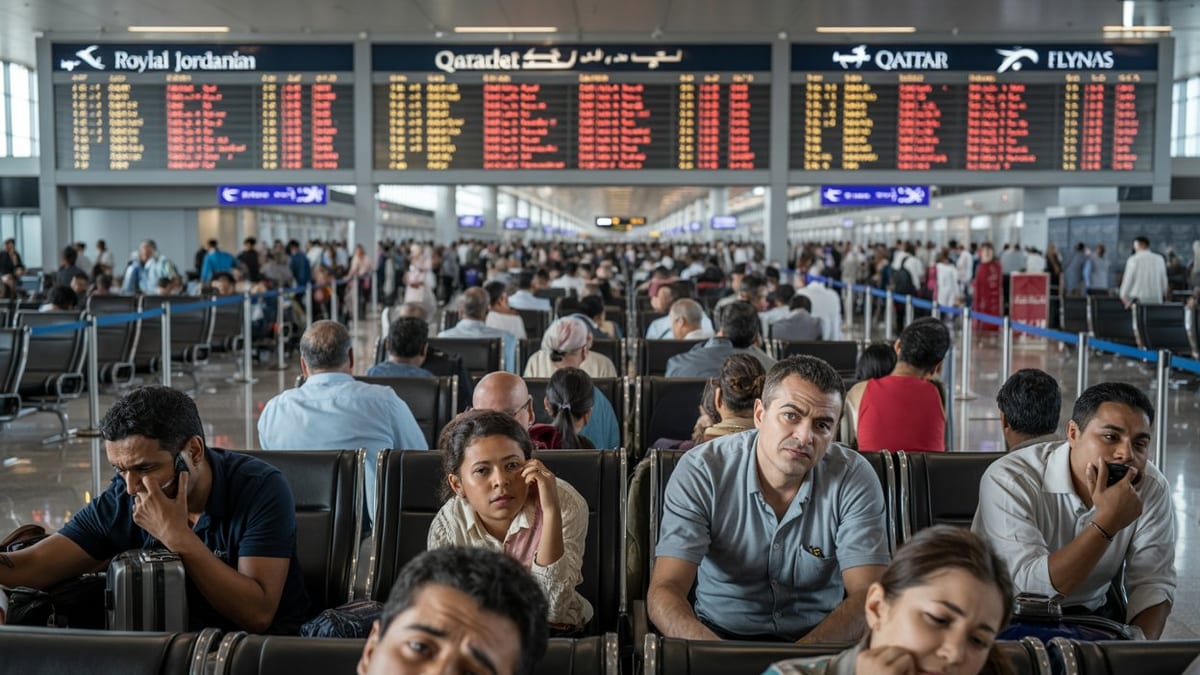
Major Carriers See Schedules Slowed at SEA
Publicly available flight-tracking boards for Seattle-Tacoma International Airport on Sunday showed a high concentration of delayed departures and arrivals affecting Alaska Airlines, Delta Air Lines, United Airlines, Southwest Airlines, SkyWest Airlines, and Horizon Air, alongside long-haul operators EVA Air and Emirates. The congestion left many travelers confined to the terminal for extended periods as aircraft remained at gates or in holding patterns.
Operational data indicated that more than 140 flights touching Seattle were running behind schedule, with delays typically ranging from 30 minutes to over two hours. At least three flights in and out of the airport were listed as canceled, contributing to crowding at customer service desks and gate areas as airlines worked through rebooking backlogs.
Seattle-Tacoma is one of the busiest hubs in the western United States and serves as a primary base for Alaska Airlines, with Delta, United, Southwest and regional affiliates such as SkyWest and Horizon also operating dense schedules. International carriers including EVA Air and Emirates connect the airport to long-haul destinations in Asia and the Middle East, meaning that disruptions at SEA quickly propagate across wider networks.
Airport status information showed the field experiencing flow constraints, with delayed departures contributing to knock-on arrival issues. While the airport remained open and operational, the volume of late-running flights was significant enough to alter travel plans throughout the day.
Knock-On Effects Across North America and Europe
Because Seattle-Tacoma functions as a key connecting gateway, schedule problems there quickly spread along transcontinental and cross-border routes. Delayed departures from Seattle to major U.S. hubs such as Los Angeles, Denver, Phoenix, Chicago, New York and Atlanta in turn affected onward domestic and international connections operated by partner airlines.
Flights between Seattle and Canadian cities, including Vancouver, Calgary and Toronto, also experienced timing disruptions as aircraft and crews arrived late or were held on the ground awaiting available slots. Passengers traveling onward from those gateways to other parts of Canada or to Europe faced missed connections and last-minute rebookings.
Transatlantic routes linking North America with Italy and Ireland were among those affected as delays to feeder flights into East Coast and Midwest hubs reduced connection windows. Some travelers arriving late from Seattle reported missed evening departures to European cities and were reassigned to later flights or alternate routings, extending travel times by many hours.
Within the United States, the disruption further complicated already busy weekend schedules, particularly for carriers operating hub-and-spoke systems. Late inbound aircraft from Seattle led to rolling delays through the afternoon and evening at several secondary airports as airlines attempted to reposition planes and crews.
Transpacific Links to Japan and Taiwan Impacted
Seattle-Tacoma’s role as a West Coast gateway to Asia meant that delays also rippled across the Pacific. EVA Air services into and out of Seattle, along with other transpacific flights operating for codeshare partners, faced schedule pressure as late-arriving connecting passengers and aircraft slowed boarding and turnaround processes.
Connections to Japan and Taiwan were especially sensitive to the disruptions, given the long stage lengths and limited daily frequencies on some routes. Passengers bound for Tokyo and Taipei on itineraries involving Seattle reported extended layovers and, in some cases, overnight stays when misaligned schedules made same-day connections impossible.
Because long-haul aircraft typically operate tightly timed rotations, late returns into Asia can echo into next-day schedules, forcing carriers to adjust departure times or swap equipment. Industry observers noted that even a small number of delayed widebody flights can create outsized operational challenges, particularly when demand is strong and spare capacity is limited.
Travelers connecting onward from Japan and Taiwan to other parts of Asia and Oceania also encountered uncertainty, as missed or abbreviated connection windows increased the likelihood of rebookings and baggage delays across multiple segments.
Passengers Face Long Waits and Limited Options
With more than 140 delayed flights and several outright cancellations, passengers at Seattle-Tacoma encountered long lines at customer service counters and crowded seating areas near affected gates. Many travelers found themselves relying on airline apps and flight-information displays as they waited for updated departure times, gate changes or rebooking confirmations.
Those on domestic itineraries within the United States and Canada often had more rerouting options, as airlines attempted to move them via alternative hubs or later departures. However, peak weekend loads limited the number of available seats, leaving some travelers on standby lists or facing multi-stop itineraries that added hours to their journeys.
For passengers bound for Italy, Ireland, Mexico, Japan and Taiwan, options were frequently narrower. Long-haul flights with fewer daily frequencies, or those shared across alliance partners, left some travelers with little choice but to accept overnight delays or rebook for the following day. Hotel availability near airports in both Seattle and key connecting cities tightened as disruption spread.
Families and travelers with tight schedules were particularly affected, with missed events, cruises and tours reported across multiple destinations. Airline customer-care teams were left to balance competing demands for rebooking, meal vouchers and accommodation while also managing the day’s ongoing operations.
What Travelers Can Do During Widespread Delays
Consumer-travel guidance recommends that passengers caught in broad airport disruptions take several practical steps to minimize the impact. Checking airline apps frequently, confirming that contact details are up to date and opting in to push notifications can help travelers learn about gate changes, new departure times or automatic rebookings more quickly than waiting in line.
For itineraries involving international sectors to Europe, Mexico, Japan or Taiwan, published advice notes that travelers may have additional rights to care and, in some cases, monetary compensation depending on the cause of the delay, the operating carrier and the jurisdictions involved. Passengers are encouraged to retain boarding passes, booking confirmations and receipts for out-of-pocket expenses to support any future claims.
Experts also suggest that travelers facing long waits at Seattle-Tacoma consider exploring alternative routings, such as connecting via other West Coast or Midwest hubs, where seats are available. In some instances, airlines may be willing to endorse tickets onto partner carriers or adjust routings to restore missed connections, particularly when the disruption is significant and systemwide.
With Seattle-Tacoma continuing to expand its role as a major domestic and international hub, the latest wave of delays highlights how quickly operational snags in one airport can ripple through networks spanning the United States, Canada, Europe, Mexico and Asia, complicating journeys for thousands of passengers in a single day.