


More news on this day
The United States has issued an updated travel advisory for Indonesia following a powerful 7.7 magnitude earthquake in the Flores region, underscoring renewed concerns about seismic risk, infrastructure damage and potential travel disruptions across parts of the archipelago.
Get the latest news straight to your inbox!
Stronger Warning Follows Major Quake in Flores Region
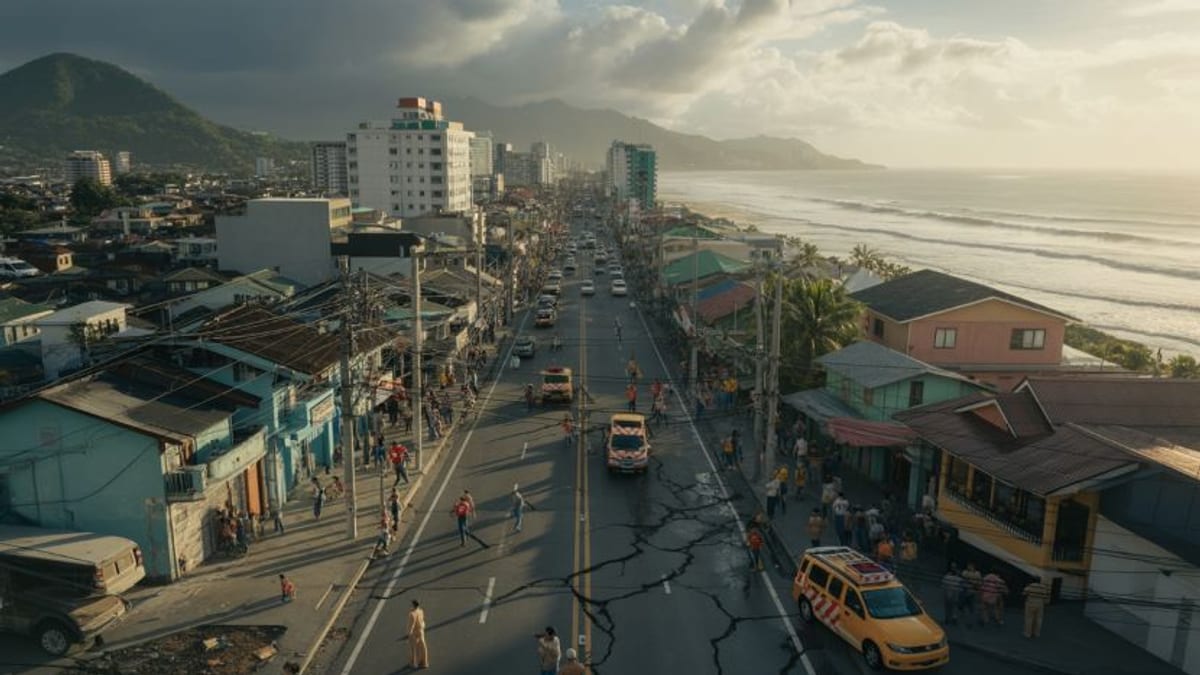
The revised advisory comes in the wake of a 7.7 magnitude earthquake that struck near the island of Flores early on August 15 local time, shaking communities across East Nusa Tenggara and triggering tsunami alerts in parts of the wider region. Initial monitoring data from international seismic agencies indicate the quake was shallow, with a depth of around 10 kilometers, a factor that tends to amplify shaking at the surface.
Published coverage from international outlets describes damaged homes, collapsed structures and widespread power outages in affected districts, particularly around coastal and hillside communities. Local reports indicate that residents rushed from buildings and moved inland or to higher ground as early tsunami alerts circulated.
The updated advisory highlights Indonesia’s position on the Pacific and Indian Ocean seismic belts and notes that significant earthquakes can occur with little warning. Public information stresses that even when large quakes do not generate a destructive tsunami, powerful aftershocks and secondary hazards such as landslides, building collapse and localized flooding remain possible for days.
What the New Advisory Emphasizes for US Travelers
The latest guidance urges travelers to carefully review itineraries that include Flores, neighboring islands in East Nusa Tenggara and other seismically active regions in Indonesia. Public information stresses the importance of monitoring local news and official emergency channels, and of being prepared to adjust plans at short notice if transportation or critical services are disrupted.
According to recent US government travel information for Indonesia, visitors are already advised to exercise increased caution due to the combined risks of terrorism, civil unrest and natural disasters. The new language linked to the Flores earthquake places additional attention on seismic activity, advising travelers to familiarize themselves with evacuation routes, hotel emergency procedures and safe assembly points in coastal or low-lying areas.
Travelers are also being reminded to ensure that passports, essential medication, emergency cash and communication devices remain accessible, so they can be carried quickly in the event of an evacuation. The advisory reiterates that commercial flight schedules, inter-island ferries and airport operations can be affected by both direct damage and precautionary safety checks after a major quake.
Impact on Tourism Hubs and Transport Networks
While the strongest shaking and initial damage reports are centered on the Flores region, analysts note that Indonesia’s broader tourism economy is sensitive to perceptions of safety following high-profile natural disasters. Past events such as the 2018 Lombok and Sulawesi earthquakes led to temporary declines in visitor numbers and disruptions to popular routes serving Bali and the eastern islands.
Airlines and ferry operators serving eastern Indonesia are reviewing conditions at ports and airfields, according to local media coverage. Runway inspections, port infrastructure checks and assessments of navigation aids are standard procedures after significant seismic events, and can lead to delays or cancellations even where no major structural damage is confirmed.
Hotels and tour operators in Flores and nearby islands are reported to be assessing buildings for cracks, loose masonry and other structural concerns. Travelers already in the region are being encouraged through public messaging to follow the guidance of local emergency services, maintain contact with tour providers and verify the operational status of accommodations before moving between islands.
Earthquake and Tsunami Risk in a Highly Active Region
Indonesia experiences frequent moderate to strong earthquakes due to the complex convergence of several tectonic plates beneath the archipelago. Historical records show that the Flores region has been struck by destructive earthquakes and tsunamis in the past, including a deadly event in the early 1990s that caused significant loss of life and infrastructure damage along the coast.
Scientific and disaster-management publications note that many communities in eastern Indonesia are exposed to multiple hazards, including strong ground shaking, steep-slope landslides and tsunami risk where undersea faults run close to shore. Building standards and enforcement vary widely, and older or informally constructed homes are often more vulnerable to collapse during intense shaking.
In recent years, Indonesian authorities and regional organizations have expanded seismic and tsunami monitoring networks, along with public awareness campaigns on evacuation procedures. However, experts cited in open-source analyses stress that warning times for near-shore tsunamis can be extremely short, making advance preparedness and local evacuation planning a key factor in reducing casualties.
Planning and Precautions for Upcoming Trips
For travelers with upcoming trips to Indonesia, the updated US advisory does not impose an automatic ban on travel but encourages an elevated level of situational awareness, especially for itineraries involving Flores, Komodo, Labuan Bajo and other islands in the eastern part of the country. Travelers are urged to remain flexible, consider travel insurance that covers natural disasters and liaise closely with airlines and tour operators about potential itinerary changes.
Publicly available guidance suggests that visitors choose accommodations that clearly display emergency exit diagrams, provide information on assembly points and participate in any safety briefings that may be offered. Simple measures such as securing heavy items in hotel rooms, identifying safe interior shelter points away from windows and practicing a personal evacuation plan can improve resilience in a major quake.
Travelers are also encouraged to register their presence abroad through available citizen enrollment systems so that they can receive updated safety messages and be more easily contacted in the event of significant aftershocks or further advisories. The situation in Flores and surrounding islands continues to evolve, and official guidance indicates that additional updates to travel advice are possible as damage assessments and seismic monitoring progress.