


More news on this day
Thick fog is forecast to blanket London on Sunday night, triggering a Met Office yellow warning and raising the likelihood of disrupted road, rail and air travel into Monday morning.
Get the latest news straight to your inbox!
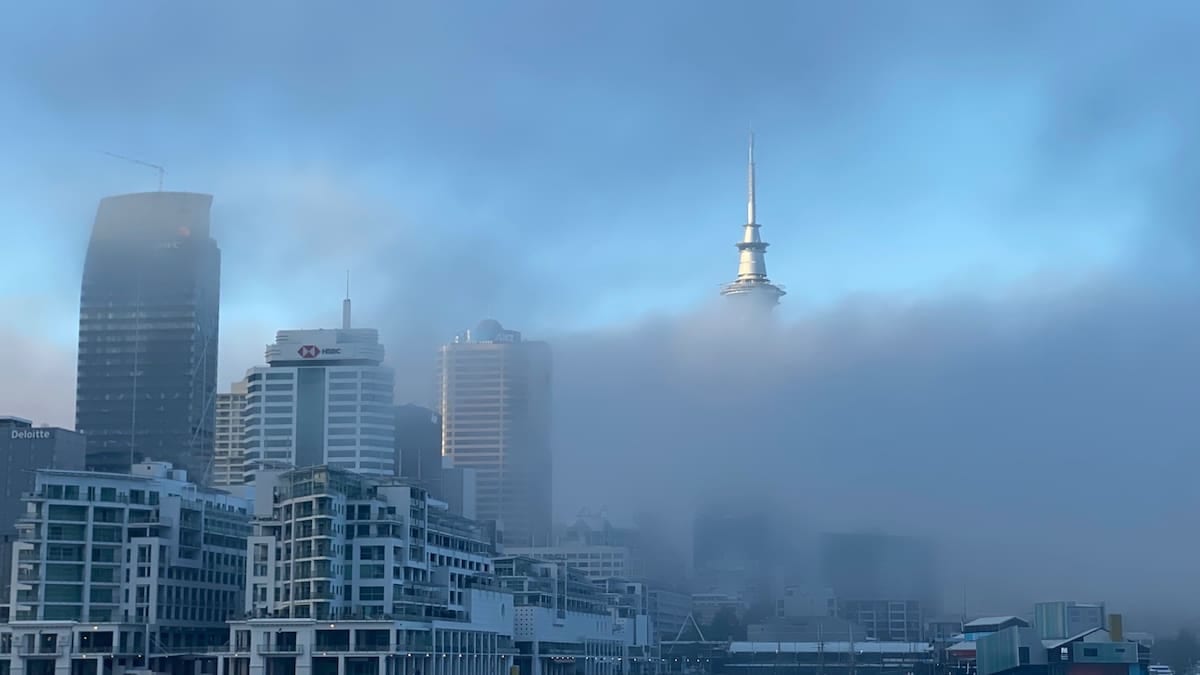
Yellow fog warning in force across London and southern England
Publicly available information from the Met Office shows a yellow fog warning in place from 6 p.m. on Sunday 8 November until 11 a.m. on Monday 9 November, covering London and South East England along with large parts of the Midlands and other English regions. The alert highlights the risk of dense fog patches and very poor visibility developing during the evening and persisting overnight.
The warning notes that fog is expected to form quickly after sunset, becoming widespread and in places very dense, before slowly lifting through the late morning period on Monday. London sits within one of the core zones of concern, with visibility on some routes potentially dropping below 100 metres at times.
Recent national coverage describes current conditions as a “perfect recipe” for fog, with light winds, clear skies and moist air combining to trap low cloud near the surface. Earlier patches across Wimbledon Common and other parts of southwest London on Sunday morning offered a preview of the thicker conditions expected to return after dark.
While a yellow warning is the lowest of the Met Office’s three impact levels, it signals that travellers should expect slower journey times, localised disruption and the possibility of sudden changes in visibility from one district to the next.
Road users urged to prepare for sharply reduced visibility
Met Office guidance on the fog warning emphasises that road journeys across London and the surrounding commuter belt are likely to be affected, particularly on Sunday evening and through the early hours of Monday. Visibility may fall below 200 metres on sections of the M25, A40, A2 and other key approaches into the capital, with denser pockets potentially cutting that distance far further.
National Highways information for previous fog events highlights the likelihood of variable conditions, where clear stretches of motorway are followed abruptly by thick fog banks. For drivers, that pattern can be especially challenging, as it encourages higher speeds just before visibility deteriorates sharply.
Travel reports during similar recent fog episodes in England have pointed to slower traffic flows, minor collisions and congestion around junctions as motorists adjust to poor visibility. Overhead motorway signs and urban variable message displays around London are expected to carry fog and speed advisory messages once conditions deteriorate.
Drivers planning longer journeys on Sunday night are being encouraged, through public forecasts and travel bulletins, to allow extra time, reduce speed where necessary and ensure that headlights and, where appropriate, fog lights are used correctly. Those using car-sharing, ride-hailing services or late-night taxis may also find journey times extended on popular routes in and out of central London.
Rail and Tube services may run more slowly but remain largely operational
According to recent coverage of similar fog warnings, rail networks in England typically remain operational but can experience slower speeds and minor delays when visibility drops. Signals and trackside equipment are designed to function in low-visibility conditions, but precautionary speed restrictions are sometimes introduced on open sections of line.
For London, this can have knock-on effects on mainline services operated out of hubs such as London Waterloo, London Victoria, London Bridge, Euston and King’s Cross, particularly on routes that cross open countryside before reaching the capital. Published journey planners from rail operators suggest that timetables for Sunday night and Monday morning remain in place, but passengers are advised through online notices to check for last-minute changes before setting out.
Underground and Elizabeth line services, which operate largely in tunnels through central London, are less exposed to visibility issues. However, surface sections of the Tube, London Overground and National Rail links into the suburbs can be affected where signals and junctions are located in open air. As a result, even modest delays on outer stretches may feed into busy commuter services heading into the city on Monday morning.
Travellers connecting between rail and air, or between late-night intercity services and early-morning commuter trains, should pay particular attention to updated departure boards, as relatively small timetable shifts can disrupt tight connections during fog events.
Air passengers warned of possible delays and early-morning disruption
The Met Office yellow warning notes a risk of flight delays or cancellations where dense fog affects airports, and recent national reporting highlights aviation as one of the sectors most sensitive to the current conditions. London’s main airports, including Heathrow, Gatwick, London City, Luton and Stansted, are all located within or close to the warning area.
In previous UK fog events, Heathrow and other major hubs have implemented low-visibility procedures, reducing the rate at which aircraft can land and depart to maintain safety. Public flight information from earlier foggy spells indicates that this often translates into departure delays, diversions to other airports and, at times, cancellations where schedules become too congested.
For Sunday night into Monday, the highest risk appears to fall on late-evening arrivals and early-morning departures, when the fog is expected to be at its thickest and most widespread. Airlines have signalled in generic winter-travel advice that passengers should monitor their booking apps or airport departure boards closely during weather warnings, and arrive at the airport with additional time in hand in case of longer queues or rebookings.
Travellers using connecting flights through London overnight may be particularly exposed, as a delay to an inbound leg could cause onward connections to be missed. For those with flexible plans, public travel guidance often recommends considering earlier flights, where possible, or ensuring that accommodation arrangements can absorb unexpected overnight stays near the airport.
What London travellers should watch for on Sunday night
Forecast graphics for Sunday night show the densest fog clustering across southern and central England, with London in a broad belt where visibility may fluctuate significantly over short distances. River valleys, low-lying areas around the Thames and open green spaces can be especially prone to thicker fog patches.
For visitors currently in London, this means that conditions can look relatively clear in one neighbourhood while adjacent districts are affected by low cloud and mist. Travel bulletins and news coverage recommend checking local forecasts at regular intervals, particularly before setting out on cross-city journeys by car, coach or train.
Those planning late returns from Remembrance Sunday events, evening performances in the West End or out-of-town visits are likely to feel the impact most. Return journeys after 9 p.m. may take longer than usual, and some bus routes on outer London corridors could experience bunching or gaps if traffic slows on main approaches.
With the yellow warning in place until late Monday morning, commuters heading into central London are being advised through public information channels to allow extra time for school runs and rush-hour travel, and to keep an eye on live updates from transport and weather providers. While the fog is expected to lift gradually after sunrise, forecasts suggest that some patches could linger into late morning, especially in sheltered areas on the outskirts of the capital.