


More news on this day
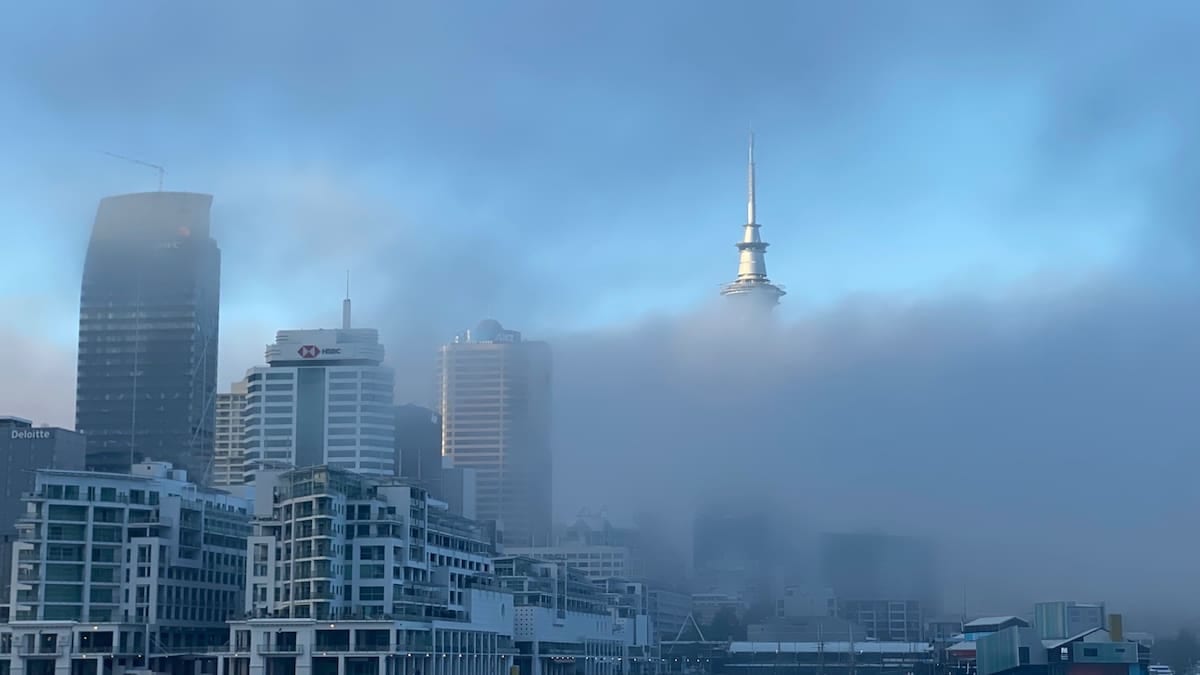
Thick fog is forecast to redevelop across London on Sunday night, with a yellow weather warning in force and transport operators advising travellers to prepare for slower journeys and potential disruptions into Monday morning.
Get the latest news straight to your inbox!
Yellow fog warning returns for London and the South East
The UK Met Office has issued a new yellow warning for fog affecting London and parts of south east England on the evening of Sunday 8 November 2026. Publicly available forecast information indicates that fog patches are expected to form quickly after dark and become more widespread overnight, with some areas seeing visibility fall to around 50 metres or less.
The latest guidance shows that the Sunday night alert follows earlier fog disruption on Remembrance Sunday morning, when dense mist reduced visibility across London and other regions of England and Wales. The renewed warning highlights the risk of difficult driving conditions and transport delays as temperatures drop and moisture in the air condenses again over the capital.
According to the national severe weather warning service, the current alert is classed as yellow with a high likelihood and moderate impact. This category reflects scenarios where low-level, but still significant, disruption is possible across road, rail and air travel, particularly during peak commuting periods.
Forecast maps published on Sunday afternoon show London and the wider South East among the areas covered by the warning, alongside neighbouring regions such as the East and West Midlands. The warning period extends overnight into the late morning on Monday 9 November, when forecasters expect fog to thin only slowly as daylight and slightly higher temperatures begin to break up the lowest cloud.
Road users told to expect slow, challenging conditions
The fog warning notes a risk of slower journey times on key routes in and around London, including major arterial roads such as the M25, M1, M4 and A40. When visibility falls below 100 metres, drivers are generally advised to use fog lights, reduce speed and increase the distance from the vehicle ahead to allow more time to react.
Public guidance from the Met Office and UK road-safety campaigns stresses that dense fog can severely limit a driver’s ability to see hazards, lane markings and junctions. In past fog events, this has led to a greater risk of minor collisions and, in more extreme cases, multi-vehicle incidents on fast-moving stretches of motorway and dual carriageway.
For those planning to drive in or out of London on Sunday night, travel advice encourages checking the latest forecast and live traffic information before setting off and allowing extra time for the journey. Motorists are also urged to ensure that headlights and rear fog lights are working correctly and to avoid using full beam, which can reflect off thick fog and further reduce visibility.
Local authorities and resilience planners in the London area routinely treat fog as a potential disruption risk, given the concentration of major road links and commuter routes. Existing guidance documents highlight that periods of prolonged or particularly dense fog can contribute to congestion at key junctions and river crossings, including approaches to central London bridges and tunnels.
Rail and Tube networks prepare for visibility-related delays
The Sunday night fog warning also raises the prospect of some delays to rail services in and around London. When visibility is significantly reduced, train operators may introduce more cautious operating procedures, such as lower line speeds in affected areas, to ensure that signals and trackside markers remain clearly visible to drivers.
National guidance on severe weather planning for rail notes that fog can impact not just mainline services but also suburban routes serving busy commuter hubs in outer London. This can include lines running into stations such as Clapham Junction, Stratford, Ealing Broadway and London Bridge, where any small timetable changes can have knock-on effects during the morning peak.
On the city’s Underground and Overground networks, most lines are less directly affected by fog because large sections run through tunnels or cuttings. However, a number of surface sections, including parts of the Metropolitan, District, Piccadilly and Central lines in outer boroughs, can still be exposed to reduced visibility, particularly around open junctions, sidings and depots.
Passengers planning early-morning journeys into central London on Monday are being encouraged, through publicly available travel advice channels, to check for service updates before leaving home. Digital journey planners and operator alerts can help travellers identify any slower-running services or altered timetables linked to weather conditions.
Air travellers warned of possible knock-on disruption
Thick fog has the potential to cause the greatest disruption at London’s airports, where low visibility can affect both arriving and departing flights. The current yellow warning for fog notes a chance of delays or cancellations to air travel, particularly during times of densest mist when visibility may briefly fall below the thresholds required for many standard landing and take-off procedures.
Previous fog episodes affecting London’s major airports, including Heathrow, Gatwick, Stansted, Luton and London City, have occasionally led to temporary suspensions of operations or the introduction of special low-visibility procedures. These measures can reduce runway capacity, leading to aircraft holding patterns, diversions to other airports and a build-up of delays throughout the day as airlines attempt to recover schedules.
Guidance available to passengers from airlines and airport operators typically recommends checking the status of flights before travelling to the airport, especially during active fog warnings. Even when conditions improve relatively quickly at one location, earlier disruption can produce a cascade of knock-on delays across wider route networks as aircraft and crew are displaced.
Travellers with early Monday departures or late Sunday evening arrivals are advised to factor in additional time to reach the airport, given the potential for slow road traffic in foggy conditions around the capital. Those connecting through London from other parts of the UK or Europe may also wish to monitor updates in case of schedule changes or missed connections resulting from the weather.
What the warning means for visitors and commuters
For visitors currently in London, the Sunday night fog warning primarily affects onward and early-morning travel rather than daytime sightseeing. Mid to late morning on Monday is expected to bring gradual improvement in visibility, although some areas on the outskirts of the city may hold on to patches of mist for longer than central districts.
Publicly available travel-planning resources suggest that anyone with time-sensitive commitments, such as international flights, business meetings or ticketed events early on Monday, should build in a buffer to account for potential delays. This can include choosing earlier services where possible, confirming check-in times in advance and keeping alternative routes in mind if regular options become congested or disrupted.
Commuters who normally drive into London may wish to consider public transport alternatives if dense fog persists into the rush hour, especially on routes where congestion and reduced visibility combine to increase journey times significantly. Conversely, those reliant on rail or air travel should remain aware that heavy fog can affect these modes as well, particularly at major interchange points.
While the current alert is not among the most severe categories of weather warnings, it does underline how autumn conditions can still quickly affect mobility across one of Europe’s busiest transport networks. For both residents and visitors, staying informed through trusted forecast and travel information channels remains the most practical way to keep journeys safe and as smooth as possible during periods of thick fog.