


More news on this day
Severe thunderstorms sweeping across key U.S. hubs on Tuesday triggered a fresh wave of air-travel disruption, with flight-tracking data indicating 674 cancellations nationwide and widespread delays for Southwest, American, and Delta passengers.
Get the latest news straight to your inbox!
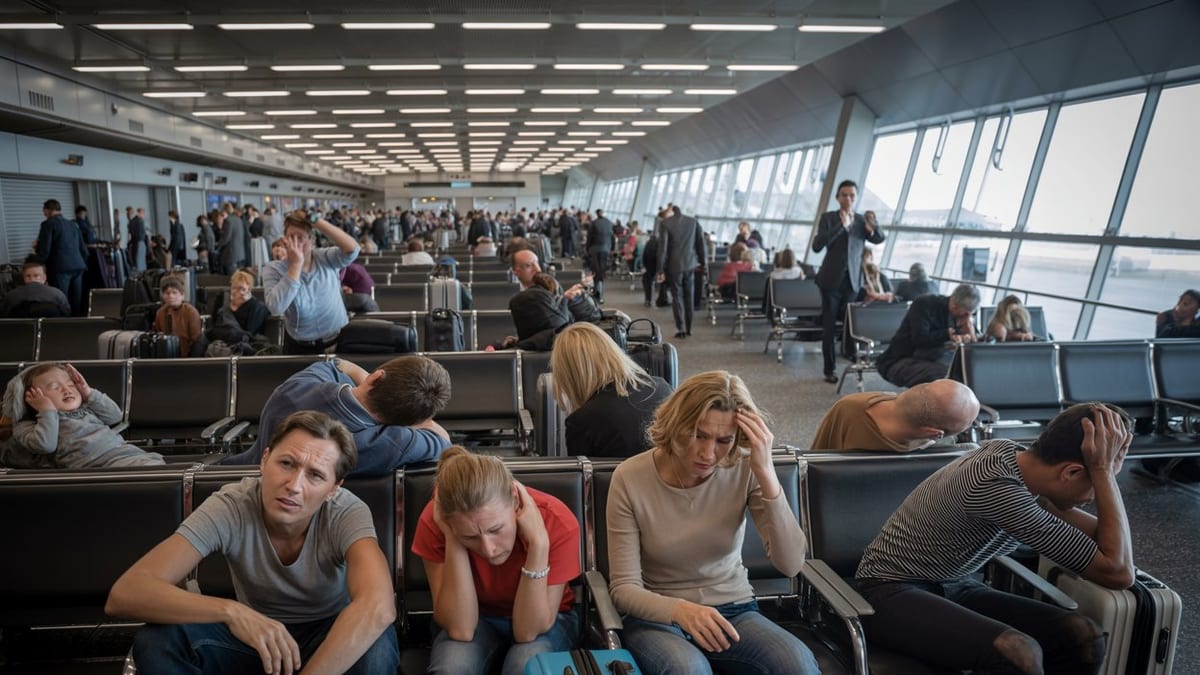
Storm Systems Stall the National Air Network
Thunderstorms building over North Texas and other central U.S. corridors disrupted the finely tuned national air network on May 19, as airport ground stops and departure delays rippled through airline schedules. Publicly available information from federal aviation status boards showed ground-delay programs and intermittent ground stops at major hubs, sharply reducing the number of flights permitted to depart or arrive during peak travel hours.
Flight-tracking platforms indicated that, by midday, a total of 674 flights within, into, or out of the United States had been canceled. Thousands more faced delays as carriers slowed operations to keep aircraft and ground crews out of active storm cells. While the disruption was most visible at storm-hit airports, the effects extended far beyond the immediate weather zone as aircraft and crews fell out of position.
Weather-driven cancellations have become a recurring feature of recent U.S. travel seasons, but the latest thunderstorms arrived during a busy late spring travel period, complicating recovery. Even short interruptions in operations at one or two large hubs can push the national system into rolling delays that take much of the day to unwind.
DFW Ground Stop Sends Shockwaves Through Airline Hubs
Dallas Fort Worth International Airport emerged as one of the day’s main pressure points. Reports from local news outlets and aviation data providers indicated that the Federal Aviation Administration ordered a ground stop at DFW on Tuesday morning because of an intense thunderstorm cell tracking across North Texas. That restriction halted many inbound flights and limited departures, causing cancellations to mount rapidly.
By late morning, published coverage citing flight-tracking data reported that more than 300 flights had already been canceled at DFW alone, with average delays approaching three quarters of an hour for those departures that did operate. Additional delays were reported at nearby Dallas Love Field, a crucial base for Southwest Airlines, where thunderstorms forced departure holds and disrupted the morning bank of flights.
Because DFW functions as American Airlines’ largest hub, disruptions there quickly spread through the carrier’s national network. As aircraft missed planned connections and crews exceeded duty-time limits, American’s schedules at secondary hubs and spoke airports were affected, contributing to the broader nationwide cancellation tally.
Southwest, American, and Delta Feel the Strain
Southwest Airlines, American Airlines, and Delta Air Lines were among the carriers most exposed to the storm systems and subsequent operational constraints. Publicly available cancellation figures from flight-tracking services pointed to triple digit impacts across the three airlines combined, reflecting their heavy reliance on large connecting hubs in the central United States.
Southwest faced compounding challenges as weather around Dallas Love Field and other focus cities reduced its ability to turn aircraft quickly. With much of its network built on short, frequent segments using the same aircraft throughout the day, an early ground stop or lengthy delay can cascade into multiple later cancellations when schedules can no longer be recovered.
American, anchored at DFW, saw some of the steepest single airport impacts as the ground stop throttled arrivals and departures at its primary connecting complex. Network coverage from earlier storm events this year shows that American’s tight bank structure at DFW can make it particularly sensitive to any period when departures are paused or heavily metered, since missed connections often translate directly into cancellations on downstream legs.
Delta also reported storm related disruption as cells moved through the central and eastern United States, affecting flights routed through its hub network. While the carrier’s largest bases are outside North Texas, thunderstorm activity along major airways and at regional connecting points limited route flexibility and contributed to the nationwide total of canceled and delayed flights.
Travelers Confront Long Lines, Missed Connections, and Rebookings
For travelers, the operational numbers translated into long lines at ticket counters, congested customer service channels, and difficult decisions about missed trips. As cancellations climbed, passengers attempting to rebook commonly faced limited same day options, particularly at already busy hubs where available seats were scarce.
Published reports and prior storm related disruptions suggest that travelers with connections through DFW, Dallas Love Field, or other weather affected hubs were among the hardest hit. When early morning flights are canceled or heavily delayed, passengers who miss onward connections can struggle to find alternatives later in the day, especially on routes with infrequent service.
Hotels near major hub airports saw a familiar surge in last minute demand as some travelers opted or were forced to stay overnight. Others turned to rental cars, intercity buses, or alternative airports to complete their journeys, adding strain to ground transport networks around affected cities.
Social media posts and anecdotal accounts from previous nationwide weather events highlight how disruptions often extend beyond the airports themselves, with baggage backlogs, call center queues, and crowded gate areas compounding the stress of canceled flights.
What Comes Next as Airlines Work to Recover
Operational data from earlier severe weather episodes indicates that recovery from a day with hundreds of cancellations can take at least one to two additional days to fully resolve, particularly when storms strike large connecting hubs. Aircraft and crews must be repositioned, maintenance schedules reset, and displaced passengers accommodated before operations return to normal.
In the immediate term, travelers booked on Southwest, American, or Delta over the next several days are likely to see lingering effects in the form of scattered cancellations, tighter seat availability, and altered departure times, even if skies have cleared at their departure airports. Airlines typically prioritize restoring core trunk routes and key business markets first, which can leave some smaller destinations with reduced service during the recovery window.
Given the increasing volatility of seasonal weather patterns, industry observers note that such thunderstorm driven events are expected to remain a regular feature of U.S. aviation. For passengers, the latest wave of 674 cancellations serves as another reminder that spring and summer travel often require flexibility, close monitoring of flight status updates, and contingency plans when major hubs are brought to a standstill by fast changing storms.