


More news on this day
Thunderstorms moving across the Seattle metropolitan area on July 16 prompted a ground stop at Seattle–Tacoma International Airport, disrupting morning and midday operations and triggering a wave of delays for passengers traveling through the busy Pacific Northwest hub.
Get the latest news straight to your inbox!
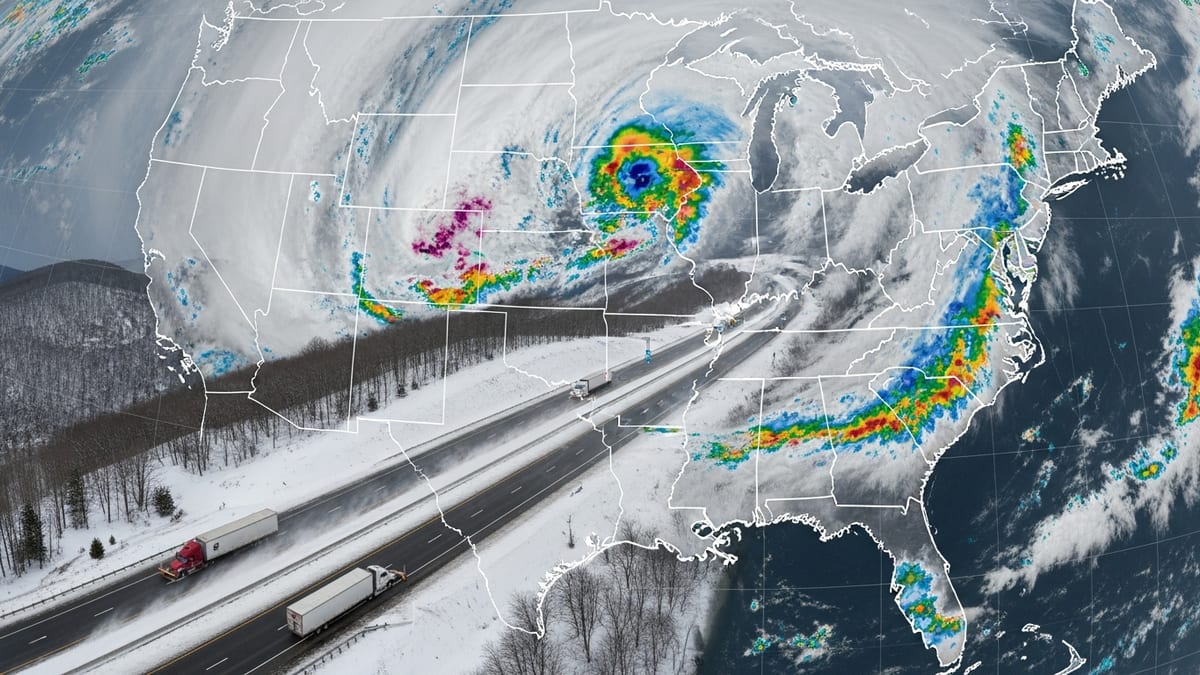
Stormy Skies Bring Operations to a Halt
According to real-time aviation operations data and published airport status updates, a combination of lightning, low clouds and passing downpours led air traffic managers to briefly halt most flight movements at Seattle–Tacoma International Airport on Thursday. The ground stop limited the number of aircraft allowed to depart for or arrive at SEA while the most intense cells passed over the region.
Forecast discussions and radar imagery showed a band of showers and embedded thunderstorms sweeping across Western Washington through the morning hours, with the National Weather Service flagging the potential for lightning, brief heavy rain and rapidly changing visibility in the vicinity of the airport. Those conditions increased workload for controllers and ramp crews, prompting tighter safety margins around the airfield.
While the ground stop itself was time-limited, it had an immediate ripple effect on schedules. Aircraft already airborne were placed into holding patterns or rerouted to manage traffic flow, and flights preparing to depart remained at gates or on ramp areas until restrictions eased. As the weather slowly improved, departures and arrivals resumed under delay programs designed to prevent a sharp surge in traffic from overwhelming the system.
Publicly available flight-tracking information indicated that several departures from SEA, including transcontinental and regional services, were pushed back by 30 minutes or more. Some midmorning flights were rescheduled to later time slots as airlines worked to re-sequence operations around the weather-related constraints.
What a Ground Stop Means for Travelers
A ground stop is one of the more disruptive tools used in the national airspace system when weather, congestion or other issues affect an airport. Under a ground stop, flights that have not yet departed for the affected airport are held at their origin until conditions improve and the Federal Aviation Administration’s traffic managers lift the restriction.
For passengers at Seattle, the decision translated into longer waits at gates, tighter connection windows and, for some, missed onward flights. Travelers connecting through the hub faced particular challenges because delayed arrivals from other cities compressed already short layovers. Airlines responded by rebooking affected passengers on later services where seats were available.
Travel industry guidance generally recommends that on days with thunderstorms in the forecast, passengers leave extra time for connections and monitor flight status frequently. The SEA ground stop underscored that advice, as delays built quickly during the morning rush period when aircraft rotations are closely timed and there is little slack in the system.
Published operational analyses of previous weather events indicate that even relatively short disruptions at high-volume airports can take hours to unwind. Once an aircraft arrives late into Seattle, its next departure often leaves behind schedule, propagating delays into the afternoon and evening waves of service.
Weather Pattern Adds Pressure to Peak Summer Travel
The thunderstorms at SEA arrived in the midst of the busy summer travel season, when flight volumes and passenger numbers are near annual peaks. Forecast products for the Seattle area on Thursday highlighted a cool, unsettled pattern, with showers and isolated thunderstorms expected through the afternoon and additional rain possible into the following days.
Although the Pacific Northwest is more commonly associated with steady rain than severe convective storms, meteorological records show that summertime thunderstorms do periodically affect operations at SEA. The combination of lightning risk on the ramp, low ceilings and shifting wind patterns can require temporary pauses in fueling, baggage handling and aircraft pushbacks, thereby slowing each step of the departure process.
Operational planning documents for the airport show that SEA’s runways and taxiways are designed to keep traffic moving in a wide range of conditions, but fast-developing storms still present challenges. When visibility drops or crosswinds increase, arrival and departure rates are typically reduced to maintain safety margins, and controllers must space aircraft farther apart on approach and departure.
Thursday’s event added another stress point to a national aviation system already contending with periodic weather-related disruptions at major hubs in the Midwest and along the East Coast. Passengers traveling between Seattle and those regions encountered compounded delays as traffic management initiatives stacked from multiple weather systems.
Airlines Adjust Schedules and Recovery Plans
Airlines operating at SEA, including major national carriers and regional partners, relied on standard recovery playbooks to mitigate the impact of the ground stop. Publicly accessible scheduling data showed some aircraft swaps, gate changes and revised departure times as carriers sought to restore orderly flow once thunderstorm impacts lessened.
For some routes with multiple daily frequencies, carriers opted to consolidate lightly booked flights or shift passengers to later departures with better prospects of operating on time. On routes with limited frequency, such as certain cross-country or international services, delays were favored over cancellations to preserve seat capacity and minimize the number of stranded customers.
Operational research focused on airports like Seattle–Tacoma has noted that congestion on the ground can amplify the effect of weather disruptions. When dozens of aircraft await departure clearance simultaneously, taxiways can become saturated, leading to longer queues and fuel burn. In recent years, the airport and its partners have tested improved surface management tools to help meter departures during peak and constrained periods.
Despite those tools, significant convective weather remains a persistent challenge. After Thursday’s ground stop, recovery efforts at SEA were expected to continue into the evening as aircraft and crews worked back into position and airlines evaluated whether overnight schedules would require further adjustment.
Advice for Passengers Moving Through SEA
Travelers with upcoming itineraries through Seattle were encouraged by widely shared industry guidance to keep a close eye on forecast trends and to use airline apps or airport displays to track gate changes and updated departure times. Same-day schedule shifts are common during summer thunderstorm events, and electronic notifications can provide earlier warning of disruptions than gate announcements alone.
When thunderstorms are in the forecast, passenger advocates often suggest booking longer connection times through weather-prone hubs and, when possible, choosing morning departures. Early flights are more likely to leave on time before delays accumulate throughout the day, and longer layovers provide a buffer when a ground stop or flow program slows operations.
The SEA ground stop also illustrated the value of flexible planning around ground transportation. Because flight delays can push arrivals into late evening hours, travelers meeting friends or scheduled shuttles may need to adjust pickup times, while those using public transit are advised to confirm the availability of late-night services.
As the storm system over Western Washington gradually moves east, forecasts indicate that conditions around Seattle–Tacoma International Airport should stabilize, though additional showers cannot be ruled out. With summer travel continuing at a robust pace, aviation observers note that passengers across the United States are likely to see more weather-driven delays in the weeks ahead, even as airports and airlines refine strategies to keep people moving when storms develop.