


Tokyo’s Narita International Airport has quietly become one of Japan’s most interesting places to shop, especially if you plan your time and budget before you fly. Between huge duty-free malls, Japanese souvenir specialists and smart pre-order services, it is entirely possible to walk to your gate with a bag full of beauty products, whisky, snacks and last-minute gifts bought at tax-free prices. This guide focuses on concrete, current options inside Narita’s terminals so you know exactly where to go and what kind of value to expect.
Get the latest updates straight to your inbox!
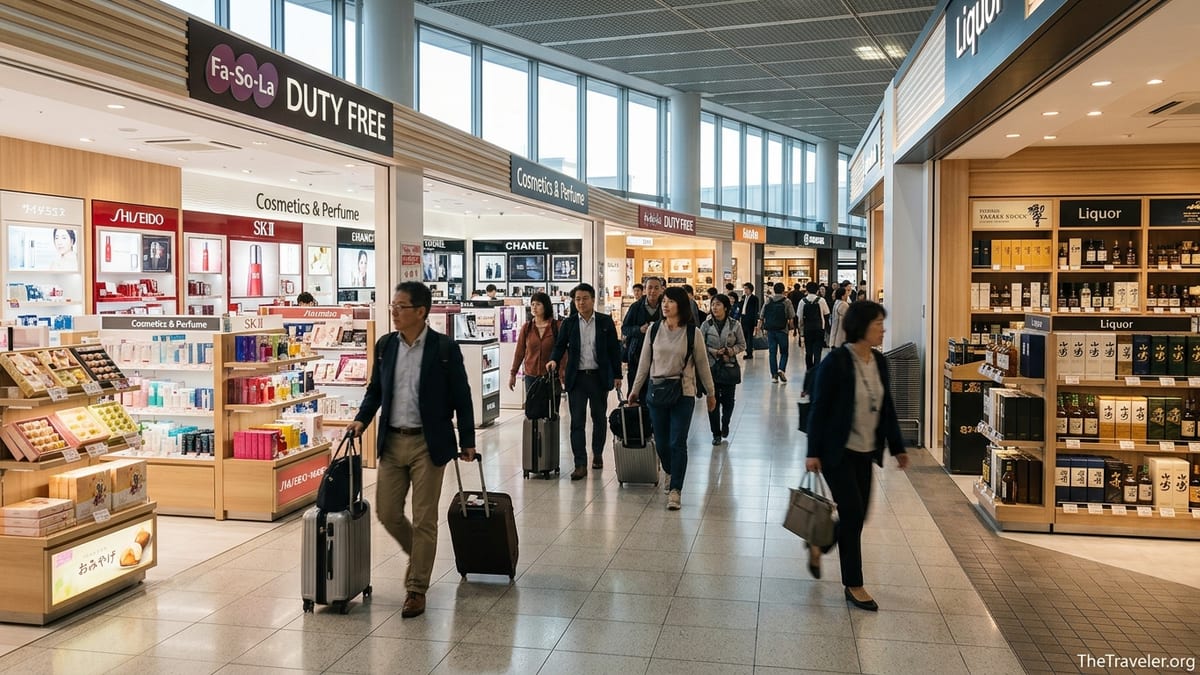
How Duty-Free Works at Narita Right Now
Narita’s duty-free system is designed around international departures and, increasingly, international arrivals. Before you buy, it helps to understand two different concepts: classic airport “duty-free” and Japan’s in-town “tax-free” shopping. In the city, foreign visitors can often buy goods tax-free in big chains by showing their passport, but prices still include retailer markups and you must meet minimum purchase amounts. At Narita’s duty-free stores, consumption tax and some duties are removed at the point of sale for outbound international passengers, and prices are displayed tax-free. That can make premium items such as whisky, perfume or luxury skincare meaningfully cheaper than typical downtown shelf prices.
Most duty-free stores are located after security and immigration, so you need a boarding pass and cleared passport control to access them. Opening hours vary slightly, but many of the major outlets in Terminal 1 and 2 open from around 7:30 or 8:00 in the morning and run until about 21:00 or 22:00, covering virtually all long-haul departures. For arrivals, Narita has steadily expanded its duty-free offer beyond liquor and tobacco to include perfume and other categories, giving travelers another chance to shop before entering Japan’s public area.
Prices can still vary by brand and even by shop, so it is worth doing a quick comparison if you have time. For instance, a popular Japanese skincare essence in a large bottle might be a few hundred yen cheaper in a Fa-So-La duty-free store than in a department store downtown once you factor in tax, while some mass-market snacks may cost roughly the same in town and at the airport. Narita also operates online pre-order platforms linked to major duty-free operators, which allow you to see prices in advance and reserve goods to collect airside on your way to the gate.
Before you load up your basket, remember to check your home country’s customs allowances on alcohol, tobacco and high-value items. Narita staff generally will not track your entitlement for you, so it is up to you to know, for example, how many bottles of whisky or cartons of cigarettes you are allowed to bring into the United States, Europe or Australia without paying extra duty on arrival.
Terminal 1: Narita Nakamise, Fa-So-La and Big-Name Beauty
Terminal 1 is home to Narita Nakamise, a large duty-free mall in the South Wing that concentrates many of the airport’s flagship shops into one place. For beauty lovers, one of the most important stops is Fa-So-La DUTY FREE Cosmetics & Perfumery in the South Wing on the 3rd floor after security. It is described as the largest cosmetic and perfume shop at Narita Airport and stocks more than 40 brands, including Japanese favorites such as Shiseido, SK-II and Cosme Decorte, alongside global names like Estée Lauder, Lancôme, M.A.C, NARS, L’Occitane, YSL Beauty and many more. You will see shelf after shelf of boxed skincare sets, cushion foundations and travel-size serums positioned specifically for outbound travelers.
Nearby, ANA DUTY FREE SHOP in the Terminal 1 South Wing offers another dense lineup of Japanese and international skincare and makeup labels, such as Shiseido, Clé de Peau Beauté, Kanebo, THREE and SUQQU. Because the assortments overlap, it is a smart idea to compare any item you seriously intend to buy in at least two shops. For example, a mid-range Japanese sunscreen might be displayed at a similar duty-free price in both stores, but one may have seasonal value sets or exclusive travel bundles that stretch your yen further.
Liquor shoppers should look for specialized outlets such as THE LIQUOR NARITA AIRPORT, a relatively new large-format liquor shop opened in the post-immigration area of Terminal 1. It focuses on high-quality, sometimes rare bottles, including Japanese whisky and premium sake. To give a sense of the range, you might find duty-free allocations of well-known Japanese blends, single malts, and limited-edition releases placed behind glass, while everyday favorites are lined up on standard shelves. Expect prices to be competitive with city duty-free counters, and occasionally you may spot airport-only gift packaging or large-format bottles.
One more highlight in Terminal 1 is Fa-So-La AKIHABARA, the airport’s largest general retail store. Located in the South Wing’s Narita Nakamise area, it blends Japanese snacks, character goods, electronics accessories and souvenirs into a single shopping experience. Travelers report finding boxes of regional cookies they missed in the city, rows of Tokyo Banana, small electronics like chargers and headphones, plus anime-themed gifts in one bright, department-store-style space. It is an efficient last stop before your gate when you want to cover several categories with one visit.
Terminal 2: Fashion, Boutiques and Japanese Crafts
Terminal 2 has its own cluster of duty-free and tax-free shops, especially in the main building after security for international flights. Here, Japan Duty Free and Fa-So-La outlets are complemented by individual brand boutiques, including a Dior Fragrance and Beauty boutique in the airside mall. Travelers connecting on Japan Airlines will pass directly through this zone on their way to international gates, making it a convenient moment to pick up cosmetics, fragrance or skincare refills.
For fashion basics, Terminal 2 is home to a UNIQLO store, located landside in the terminal complex. Its assortment is geared toward travelers, so you can expect staples such as ultra-light down jackets, HEATTECH innerwear and travel-friendly casual clothing. Prices will feel familiar if you have visited any UNIQLO store in Japan, and you may see seasonal discounts on certain items. Narita also features other fashion and accessory shops, and it is common to find last-minute items like neck pillows, socks and lightweight bags displayed near the front, aimed clearly at passengers rushing for flights.
Duty-free liquor and tobacco in Terminal 2 mirrors much of what you see in Terminal 1, with shelves of Japanese whisky, international spirits and wine. In addition, Narita has opened a shop called THE CRAFT JAPAN in the post-immigration area of Terminal 2, dedicated to traditional and local Japanese craftworks. Here you might find hand-crafted pottery, lacquerware, small textiles and premium stationery from various regions of Japan. While not everything will be cheaper than in specialist boutiques in Tokyo or Kyoto, the advantage is the carefully curated selection in one place, ready to be carried straight onto your flight.
Terminal 2 is also known for its rotating pop-up shops in the 4th-floor mall area before security. Recent pop-ups have included anime collaborations and character stores where travelers pick up plush toys, keychains and limited-edition merchandise. If you are connecting with a few spare hours, taking the escalator up to this level can reveal surprise finds, from toy blind boxes to pop culture collectibles that may not appear in the permanent duty-free catalog.
Electronics, Watches and Practical Travel Gear
Electronics at Narita are not as extensive as in some downtown big-box stores, but there are still some focused options worth knowing. In Terminal 1, YAMADA TAX FREE Narita Airport Terminal 1 Store serves as the main specialty electronics retailer in the terminal. It stocks beauty electronics such as Japanese-brand hair dryers and facial steamers, as well as headphones, earphones, cameras, electric shavers, gaming consoles and accessories. The store is set up with reasonably wide aisles and clear displays, making it easy to compare models even with carry-on baggage in hand.
Prices on mainstream electronics like gaming consoles or big-brand noise-cancelling headphones are not always dramatically cheaper than downtown tax-free shops, but the convenience is high. For example, if you realize at the last minute that you forgot to buy a dual-voltage hair dryer or an extra set of noise-cancelling earbuds before a long-haul flight, paying a small premium at Narita can still feel worthwhile. Likewise, travelers report that airport electronics stores often showcase Japan-only color variations or limited sets for certain devices, which can make for an unusual gift even if the base hardware is widely available.
Fans of watches and jewelry have several options, particularly within Fa-So-La branded watch and accessory stores. Travelers have noted that these shops often apply an automatic discount off the usual Japanese retail price because of the duty-free structure, sometimes around ten percent. In practice, this means that a mid-range Japanese watch model that might cost the equivalent of several hundred dollars in a major U.S. city could be somewhat cheaper at Narita, depending on exchange rates and domestic markups back home. However, high-end luxury pieces are still significant investments, so it is wise to know your target models and approximate prices in advance.
Beyond big-ticket items, Narita’s shops are full of practical travel gear. Many convenience-style outlets and souvenir shops sell universal power adapters, portable batteries, charging cables, travel pillows, compression socks and compact umbrellas. Prices are typically higher than discount chains in the city, but not unreasonable, and the selection is curated to what travelers are most likely to need. If your suitcase is slightly overweight, you may also spot cheap foldable tote bags and lightweight duffel bags in fashion or variety stores, perfect for moving heavy snacks and souvenirs into a separate carry-on.
Snacks, Sweets and Souvenirs Worth Space in Your Carry-On
For many visitors, Narita is the final chance to grab Japanese snacks and regional souvenirs. Fa-So-La shops, Japan Duty Free outlets and airline-branded stores all dedicate significant shelf space to boxed sweets, rice crackers, chocolates and regional specialties. You will see multiple rows of familiar favorites such as Tokyo Banana, Royce chocolate, Jaga Pokkuru potato snacks from Hokkaido and seasonal KitKat flavors that may not be widely distributed elsewhere. Prices are usually in line with major city souvenir shops, and the packaging is designed with gifting in mind, often in neat rectangular boxes that fit easily into cabin baggage.
Travelers also report finding more regional treats at Narita than they expected. For example, it is not unusual to see Kyoto-style yatsuhashi sweets or Osaka-branded snacks even if you never left the Tokyo area during your trip. This is because the airport’s souvenir buyers pull items from many prefectures to create a one-stop “Japan in miniature” selection. If you regret not buying more local treats during your travels, the airport’s curated assortment gives you a second chance, often grouped by region with clear labeling.
Outside snacks, Narita’s souvenir shops highlight compact gifts that travel well: small furoshiki wrapping cloths, chopstick sets, tenugui hand towels, printed socks, character stationery and keychains. Prices range widely, from inexpensive keychains suitable for office colleagues to higher-end craft items and premium confectionery that you might present as a formal gift. Many shops also carry instant miso soups, curry roux and seasoning packets in travel-friendly sizes, appealing to visitors who want to recreate certain Japanese flavors at home without carrying heavy groceries.
If you are shopping for omiyage to distribute among friends or coworkers, aim for individually wrapped items in larger boxes. A typical duty-free box of cookies or rice crackers might contain anywhere from 8 to 24 individually wrapped pieces, and the price per box is easy to compare by checking the label. Buying two or three large boxes at Narita can simplify your gifting logistics compared with hunting down different regional products for each person on your list.
Saving Time and Money: Pre-Orders, Arrivals Duty-Free and Strategy
One of Narita’s most useful developments for frequent travelers is the growth of advance duty-free ordering. Major operators such as JAL DUTYFREE and Fa-So-La run official pre-order sites where you can reserve popular items before you arrive at the airport. In practice, you browse the catalog online, add items to a reservation, and then pick them up and pay at a designated counter airside on the day of departure. This is especially valuable for high-demand Japanese cosmetics, limited whisky releases or seasonal gift sets that can sell out quickly in-store.
Pre-ordering also allows you to lock in duty-free prices in advance and reduce the time you spend in shops on the day of travel. For example, if you know you want two specific bottles of Japanese whisky and a particular brand of sunscreen, you can reserve them online up to a few days before your flight and then focus on browsing souvenirs at the airport. Some pre-order services occasionally run specials such as small additional discounts or exclusive sets available only online, though these offers change over time.
Arrivals duty-free at Narita has been evolving as well. Historically focused on liquor and tobacco, the assortment has expanded to include categories such as perfume in certain terminals, giving inbound passengers a chance to pick up a bottle of fragrance or spirits before heading into the city. This can be attractive if you are arriving late at night when most urban shops are closed, or if you prefer to carry liquids directly from the plane to your hotel without detouring into town.
To get the best overall value from Narita’s shops, think about which categories truly benefit from the duty-free environment. Liquor, tobacco and many high-end beauty products often see the clearest savings, particularly for travelers coming from countries where sin taxes and cosmetic markups are high. Everyday snacks, character goods and mass-market clothing might not be significantly cheaper than in the city, but the convenience and bundled packaging still make them worthwhile for last-minute purchases. Combining a short pre-order list with some flexible browsing time is usually the most efficient strategy.
The Takeaway
Narita Airport has grown into a destination in its own right for last-minute and planned shopping, particularly across beauty, liquor, souvenirs and travel essentials. Terminal 1’s Narita Nakamise mall and flagship Fa-So-La stores form the heart of the experience, while Terminal 2 balances brand boutiques, craft-focused shops and convenient fashion outlets like UNIQLO. Across both terminals, the emphasis is on giving travelers a curated version of Japan’s consumer culture in a compact, tax-free environment.
From a practical perspective, the best values usually appear in duty-free categories such as cosmetics, skincare, fragrance and premium spirits, where Japanese and international brands compete for attention with exclusive sets and travel-only packaging. Meanwhile, the wide selection of snacks, sweets, regional specialties and character goods makes it easy to solve all your souvenir needs in one circuit of the concourse. Electronics and watches can offer savings in certain cases, but should be approached with a clear idea of your target models and home-country prices.
Ultimately, a successful Narita shopping session comes down to preparation and restraint. Check your customs allowances, pre-order any must-have items, and set a rough budget before you enter the duty-free mall. Then leave yourself enough time at the airport to stroll through the main clusters of shops, compare a few prices and enjoy the process. Done right, you will board your flight with carefully chosen purchases, not rushed regrets.
FAQ
Q1. Is it cheaper to buy cosmetics and skincare at Narita Airport duty-free than in Tokyo city stores?
In many cases high-end cosmetics and skincare can be slightly cheaper at Narita because consumption tax is removed and brands run airport-specific promotions, but everyday items may be similar in price to large tax-free drugstores in central Tokyo.
Q2. Can I shop at Narita’s duty-free stores on arrival, or only when departing?
International arrivals at Narita can use specific arrivals duty-free shops that focus on liquor, tobacco and, in some areas, perfume and related products, but the full range of boutiques and souvenir shops is still concentrated in the departures area after security.
Q3. Do I need to pre-order to get good duty-free deals at Narita?
Pre-ordering is not required, but it helps if you want popular Japanese whisky, limited cosmetics sets or specific shades and sizes; these items can sell out quickly, while more common products are usually available directly from shelves.
Q4. Are electronics like cameras and headphones a good buy at Narita Airport?
Electronics at Narita are convenient rather than consistently cheap; you may find duty-free savings on certain models, but prices are often close to large electronics retailers in Tokyo, so serious shoppers should check approximate city prices before relying on the airport.
Q5. Which terminal at Narita is better for shopping overall?
Terminal 1 has the largest single cluster of duty-free stores and beauty counters in its Narita Nakamise area, while Terminal 2 offers a strong mix of boutiques, fashion and Japanese crafts; the “better” choice usually depends on which airline you fly rather than personal preference.
Q6. How early should I arrive at Narita if I want time for shopping?
For international flights, arriving around three hours before departure typically gives you enough time to clear formalities and still browse duty-free; if you plan heavier shopping, especially with pre-orders or multiple terminals to explore, adding an extra half hour is sensible.
Q7. Can I move between terminals to shop at Narita during a layover?
Moving between terminals is possible using airport transport, but access to most shops is controlled by security and boarding pass checks, so in practice you will usually shop mainly in the terminal from which your next flight departs.
Q8. Are there good options for last-minute Japanese souvenirs if I stayed only in Tokyo?
Yes, Narita’s souvenir shops deliberately stock sweets, snacks and crafts from many regions of Japan, so you can buy Kyoto-style sweets, Hokkaido snacks or regional gift boxes even if you never left the Tokyo area during your trip.
Q9. What payment methods do duty-free shops at Narita accept?
Major duty-free stores typically accept Japanese yen cash, several foreign currencies in cash, international credit cards and common electronic payment methods, though smaller boutiques may have a narrower range of digital options than the big operators.
Q10. How do I avoid customs problems when bringing duty-free liquor or tobacco home?
Before shopping, check your home country’s current allowances for alcohol and tobacco, add up the quantities in your basket and keep purchase receipts handy so that if customs officers ask, you can clearly show what you bought and where.