


Buying travel insurance in 2026 is no longer a box-ticking exercise. Between rising medical costs abroad, busy airports, and volatile airlines, the small print of your policy can decide whether an emergency turns into a financial disaster or a minor inconvenience. Churchill is a familiar UK brand, but how does Churchill Travel Insurance really compare with the top-rated plans now on the market, and which type of traveller does it suit best?
Get the latest updates straight to your inbox!
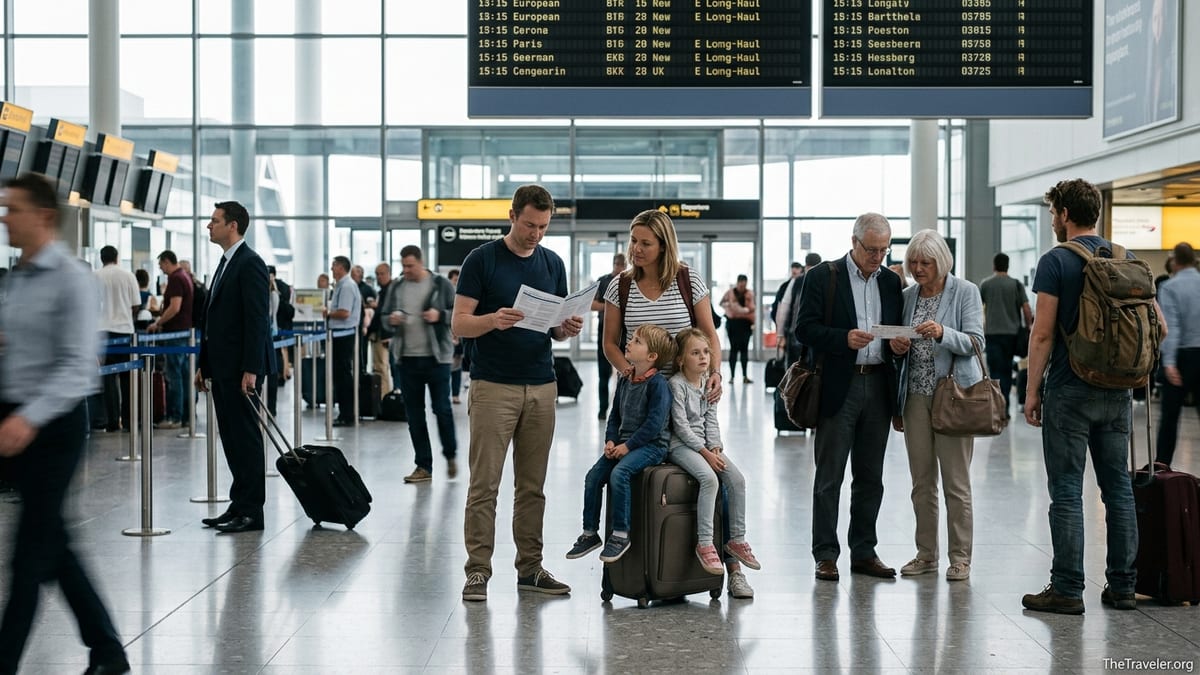
The Role of Travel Insurance for UK Travellers in 2026
For UK residents, travel insurance has shifted from a discretionary add-on to a practical necessity. Government and Civil Aviation Authority guidance consistently stresses that travellers should not rely solely on airline obligations or reciprocal healthcare and should carry suitable travel insurance whenever they leave the UK. In practice, this means having a policy that can step in for emergencies ranging from a broken ankle in Spain to a last-minute cancellation because a child falls ill the night before departure.
Consider a common scenario: a family from Manchester flying to Florida during the school holidays. A simple medical emergency such as an overnight hospital stay for appendicitis can run into tens of thousands of pounds in the United States. Without travel insurance that includes strong medical and repatriation cover, that family could be liable for the entire bill. With a robust policy in place, they would typically pay only the excess, with the insurer’s assistance team arranging care and flights home if needed.
Travel insurance also fills gaps left by airline and package travel protections. UK regulations oblige airlines to provide meals, accommodation and rerouting during long delays or cancellations on eligible flights, but they will not pay for your lost villa booking, prepaid excursions or non-refundable internal flights. A comprehensive policy from Churchill or a competitor is designed to cover at least some of those knock-on costs, provided the cause of disruption is not excluded, such as a known strike announced before you bought the policy.
Finally, for many destinations outside Europe, local medical systems may expect proof of insurance or payment upfront before non-urgent treatment. Travellers heading to destinations such as the United States, the Caribbean or parts of Asia are increasingly finding that a policy with double-digit millions in medical cover is treated as standard rather than generous. This is why many top-rated policies now highlight medical limits of around 10 million pounds as a key selling point.
Churchill Travel Insurance at a Glance
Churchill Travel Insurance is aimed squarely at UK residents looking for straightforward, mid-market cover. Policies are underwritten within the Direct Line Group stable, now owned by Aviva, and sold directly online or by phone. Churchill offers both single-trip and annual multi-trip cover, with options to include Europe-only or worldwide regions and to add extras such as winter sports.
On its product pages, Churchill highlights up to 10 million pounds of emergency medical expenses cover as a headline benefit, reflecting the industry standard for strong medical protection. Cancellation cover and baggage limits depend on the level of cover chosen, but are typically more modest: enough for many mainstream holidays, yet below the top-tier levels offered by some premium rivals. As with many competitors, cover for Covid-19 related issues is now built into Churchill’s standard wording, including certain cancellation situations and emergency medical treatment abroad, provided foreign travel advice has not been ignored.
Churchill markets itself on practical touches. Policies cover individuals, couples and families, and can be suitable for group trips, so a group of friends booking a long weekend in Lisbon can all sit under one annual policy rather than each buying their own. Another feature is cover for unexpected strikes and industrial action, which can help if, for example, a sudden baggage-handling strike at a UK airport leads to such long delays that you miss a connecting flight and end up having to abandon your trip.
As with any insurer, Churchill applies strict rules around pre-existing medical conditions. Travellers with ongoing conditions such as heart disease, diabetes or recent surgery usually need to call and declare details; Churchill will then either confirm cover, apply an extra premium, or exclude certain conditions. If a traveller fails to disclose a relevant condition and later needs to claim for it, the claim may be declined, so anyone with a complex medical history should factor that phone screening step into their planning timetable.
How Churchill’s Cover Compares With Top-Rated Rivals
When comparing Churchill with top-rated travel insurers frequently recommended in independent guides and comparison tables, certain patterns emerge. Brands such as Allianz Assistance, Aviva, AXA, and various specialist providers often appear at or near the top of “best travel insurance” round-ups for 2026, largely due to their combination of high medical limits, flexible cancellation cover and customer service track records.
Allianz Assistance, for example, markets multi-level policies where mid-tier plans typically offer around 10 million pounds of medical cover, robust trip cancellation limits and relatively generous baggage cover. Aviva’s travel products, sold either standalone or through banking partners, tend to integrate strong 24/7 emergency medical assistance and options to tailor cancellation limits to more expensive trips. AXA-branded plans can provide similar medical levels and frequently include higher single-item limits for gadgets and valuables, which is attractive to travellers carrying laptops and high-end cameras.
By contrast, Churchill tends to position itself slightly below these premium levels on cancellation and baggage while keeping medical cover competitive. For a couple taking a 3,000 pound cruise, a top-tier rival policy might comfortably cover the full cost if they had to cancel due to a sudden illness, whereas a basic Churchill level might only cover part of that amount. On the other hand, Churchill’s pricing is often competitive for mainstream European and short-haul trips, which can appeal to travellers who value cost over expansive limits.
Customer experience also plays a role. Recent anecdotal reports and consumer reviews have highlighted smooth claim experiences with certain top-rated brands, such as Allianz paying out promptly on a complex medical claim for a family’s cancelled Spain holiday. Churchill receives a mixture of positive feedback for straightforward claims and criticism where claims fall into grey areas or where customers had not fully understood exclusions. This is not unique to Churchill, but it does reinforce how essential it is to compare not just price, but the scope of cover and the clarity of policy wording.
Key Cover Limits and Real-World Scenarios
Most leading travel insurers now converge around similar headline medical limits, typically around 10 million pounds. Churchill matches this level, which is more than sufficient for almost any realistic medical bill, even in high-cost destinations like the United States. Where policies diverge is in areas such as cancellation, baggage and delay benefits, which become critical in common, non-medical claim scenarios.
Imagine a couple from Bristol who have booked a 2,500 pound safari holiday in Kenya. Shortly before departure, one partner breaks a leg and cannot travel. If their Churchill policy offers 2,000 pounds of cancellation cover per person, they are likely to recover the full cost of their non-refundable arrangements. However, if the same couple had booked a 6,000 pound business-class package to Australia, a mid-level Churchill policy with lower cancellation limits might only reimburse part of their costs, whereas a premium plan from a rival with higher cancellation limits could come closer to making them whole.
Baggage and valuables cover can also vary widely. A standard policy might cover around 1,000 to 1,500 pounds in total baggage with a single-item limit of roughly 250 pounds. This may be enough if your main concern is clothing and basic belongings, but it will be inadequate for someone travelling with a 1,200 pound camera body and 800 pound lens. Top-rated insurers and add-on gadget policies sometimes offer higher single-item limits or specific gadget cover, while Churchill’s standard single-item caps mean a photographer who loses their kit may recover only a fraction of its value unless they had separate gadget insurance in place.
Travel delay and missed departure sections are another area where travellers are often surprised. A typical mid-range policy might pay a fixed benefit after a 12-hour delay, such as 20 or 25 pounds for each full block of delay, up to a few hundred pounds, and more substantial sums for missed departure caused by specific events such as severe weather or public transport failure. Churchill offers cover for missed, delayed or abandoned departure in certain circumstances, including strikes, subject to detailed conditions. For example, if a Heathrow fire or air-traffic control outage leads to a cascade of delays, a Churchill policy may pay for extra accommodation and alternative travel arrangements once defined thresholds are met, whereas a bare-bones budget policy might not.
Price, Excesses and Who Churchill Suits Best
In the current UK market, Churchill generally competes on price in the mid-range segment. It is rarely the absolute cheapest option on a price comparison site for a simple weekend break, but it often undercuts the most comprehensive premium brands while still offering broadly adequate cover for common risks. An example would be a 30-year-old solo traveller taking a 5-day city break to Rome. A basic Churchill single-trip policy may price in the region of only a few pounds per day, whereas a fully loaded, high-limit policy from a top-rated rival might cost noticeably more for cover that the traveller may never need on such a modest trip.
Excesses are a key part of the cost equation. Churchill’s policies typically apply an excess per person, per claim section, meaning that each type of claim (cancellation, medical, baggage) can attract its own deduction. Some premium competitors offer lower excesses or a single excess per event, which can significantly affect what you actually receive if you make multiple claims arising from one incident. A traveller who values low out-of-pocket costs in the event of a claim might prefer to pay more upfront for a policy with lower excesses.
Churchill tends to be well-suited to travellers with relatively straightforward needs: families booking package holidays to Spain, couples on European city breaks, or groups of friends heading on a short ski trip, particularly if they are comfortable with mid-level limits and standard exclusions. It may be less ideal for those with expensive itineraries, complicated multi-centre trips, or high-value equipment, where the additional cost of a more flexible, top-tier policy from a leading brand can be justified.
Another factor is distribution. Churchill sells directly rather than heavily through aggregators, whereas many top-rated competitors are widely available on comparison sites. For buyers who prefer to compare dozens of options side by side, this can be a drawback; for those who like the simplicity of going to a known brand and buying quickly at renewal, it can be a plus. Either way, it remains sensible to run at least one comparison, even if only to confirm that Churchill’s price and limits remain competitive for your particular trip profile.
Medical Conditions, Covid-19 and Government Advice
Medical screening and adherence to government travel advice are critical themes across the UK market in 2026. Churchill’s stance is broadly in line with other mainstream providers: you are expected to declare any relevant pre-existing medical conditions that meet criteria set out in the policy wording, and failure to do so can invalidate claims. This typically includes recent hospital treatment, ongoing investigations, or serious chronic conditions. For example, a traveller who has been treated for angina within the past year and does not disclose it may find a later heart-related claim declined.
On Covid-19, Churchill includes cover for emergency medical expenses abroad and certain cancellation scenarios as standard, provided the Foreign, Commonwealth & Development Office (FCDO) is not advising against all but essential travel to your destination at the time you depart. This mirrors the approach taken by many top-rated insurers. For instance, if you test positive shortly before a trip to Portugal and are instructed to isolate, Churchill’s cancellation cover may reimburse your non-refundable costs up to the policy limit. However, if you travel to a country while the FCDO clearly advises against it, many insurers, Churchill included, may refuse related claims unless you have a specialist policy.
Premium competitors sometimes offer more nuanced options, such as add-ons that extend cover when visiting destinations with more complex risk profiles, or “cancel for any reason” style upgrades that reimburse a percentage of your costs even for non-standard reasons like changing your mind or work commitments. These are still niche in the UK, more common through specialist brokers or high-end policies than with mainstream brands like Churchill, and they usually cost significantly more.
For travellers with complex health situations, such as older cruisers with multiple conditions, dedicated medical-specialist insurers may still be a better fit than either Churchill or the big mainstream brands. These niche providers often perform deeper medical underwriting and can offer higher acceptance rates, albeit at higher premiums. A practical approach is to get an indicative quote from Churchill, then compare it with at least one top-rated mainstream rival and one specialist medical insurer if your health history is anything other than straightforward.
Practical Tips for Choosing Between Churchill and Top-Rated Plans
When deciding whether Churchill is right for your next trip or whether you should opt for a different top-rated provider, start by mapping your real risks against the benefits table. Ask how much you would actually lose if you had to cancel tomorrow and choose a plan whose cancellation limit at least matches that figure. If your family has booked a 4,000 pound summer villa in Greece plus flights, a policy with a 1,000 pound cancellation cap is likely inadequate, no matter how cheap the premium looks.
Second, check the details around baggage and valuables. If you are travelling with standard holiday clothing, modest electronics and a mid-range smartphone, Churchill’s limits may be sufficient when viewed alongside your home contents or separate gadget insurance. If you are carrying a 2,000 pound laptop and professional camera gear for a remote work month in Bali, a top-rated plan with higher single-item and total baggage limits or a dedicated gadget policy may be more appropriate.
Third, scrutinise the exclusions related to strikes, weather and operational disruption. Churchill’s marketing highlights cover for unexpected strikes and industrial action, but, like its peers, it does not cover everything. Travel insurers in general will not pay for issues the airline is legally bound to resolve, such as hotel accommodation during long delays on eligible flights, but they may cover additional losses such as missed hotel nights or excursions. Reading sample scenarios in the policy documentation can help you understand where Churchill ends and where statutory rights begin.
Finally, think about frequency. If you travel multiple times a year, an annual multi-trip policy from Churchill or a rival often works out cheaper and more convenient than buying several single-trip policies. For example, a frequent city-break traveller visiting Europe four times a year may find that an annual policy with a top-rated brand is only marginally more expensive than Churchill but offers wider cover. Conversely, a family taking one package holiday a year to Spain may find Churchill’s single-trip option provides an acceptable balance of cost and protection.
The Takeaway
Churchill Travel Insurance occupies a solid middle ground in the 2026 UK market. Its policies offer strong medical cover up to around 10 million pounds, straightforward structures for individuals, couples and families, and useful benefits for issues like unexpected strikes. For many mainstream holidays, particularly within Europe, Churchill can deliver sufficient protection at a reasonable price, especially for travellers who are relatively young, healthy and travelling with standard luggage.
However, Churchill’s cancellation and baggage limits often sit below the top-tier levels of the highest-rated competitors, and its policies, like most, rely heavily on clear disclosure of medical conditions and compliance with government travel advice. Travellers with expensive itineraries, complex health histories or high-value equipment may find better-suited options among premium brands such as Allianz Assistance, Aviva or AXA, or from specialist medical insurers, albeit at a higher cost.
The smartest approach is to treat Churchill as one data point rather than a default choice. Obtain a quote, read the Churchill travel policy wording carefully and then compare it with at least one highly rated competitor using the same trip details. By focusing on real numbers for cancellation, medical, baggage and excesses, and by considering your personal risk profile, you can decide whether Churchill offers the right balance or whether a different top-rated plan earns its higher premium in peace of mind.
FAQ
Q1. Is Churchill Travel Insurance good enough for a family package holiday?
For many standard family package holidays to Europe, Churchill’s combination of high medical cover and mid-range cancellation limits will be adequate, as long as the total cost of your trip does not exceed the policy’s cancellation cap and there are no undisclosed medical conditions.
Q2. How does Churchill’s medical cover compare with top-rated insurers?
Churchill’s medical cover, up to around 10 million pounds, is broadly in line with the levels offered by leading brands such as Allianz Assistance, Aviva and AXA, and should be sufficient for most destinations, including the United States.
Q3. Are Churchill’s cancellation limits as high as the best policies on the market?
Often they are lower. While Churchill offers reasonable cancellation cover, some top-rated competitors provide higher limits better suited to expensive cruises, long-haul business-class holidays or complex multi-stop itineraries.
Q4. Does Churchill cover strikes and industrial action at airports?
Churchill includes cover for missed, delayed or abandoned departure caused by unexpected strikes and industrial action, subject to detailed policy terms, whereas many competitors offer similar cover but sometimes differ on how early-announced industrial action is treated.
Q5. How does Churchill handle pre-existing medical conditions?
As with most mainstream UK insurers, Churchill expects you to declare relevant pre-existing conditions. Cover may be accepted, excluded or offered with an additional premium; failing to disclose could invalidate related claims.
Q6. Is Churchill competitive on price compared with top-rated rivals?
For simple European trips, Churchill is often competitively priced in the mid-range bracket, though ultra-cheap policies and more expensive, feature-rich plans from top-rated brands can both appear cheaper or dearer depending on your age, destination and trip cost.
Q7. Should frequent travellers choose Churchill or a different annual policy?
Frequent travellers should compare Churchill’s annual multi-trip policy with top-rated annual plans from rivals, weighing the slightly higher premiums of premium brands against potentially higher cancellation limits and more generous baggage cover.
Q8. Does Churchill include Covid-19 cover as standard?
Yes, Churchill includes certain Covid-19 related cover, such as emergency medical treatment abroad and some cancellation scenarios, but this is usually conditional on following Foreign, Commonwealth & Development Office travel advice and other policy requirements.
Q9. Are gadgets like laptops and cameras well covered by Churchill?
Churchill’s standard baggage and single-item limits may not fully cover expensive gadgets, so travellers with high-value tech often rely on separate gadget insurance or opt for top-rated policies with higher single-item limits.
Q10. How can I decide whether Churchill or a top-rated competitor is best for me?
List your actual financial risks, such as total trip cost and value of baggage, then compare Churchill’s limits, exclusions and excesses with at least one highly rated rival using the same trip details; choose the policy that best matches your risk profile and budget.