


More news on this day
A freight train car loaded with construction debris caught fire at a rail crossing in Longmeadow, Massachusetts, early Thursday morning, disrupting rail traffic and prompting a coordinated response from several neighboring fire departments.
Get the latest news straight to your inbox!
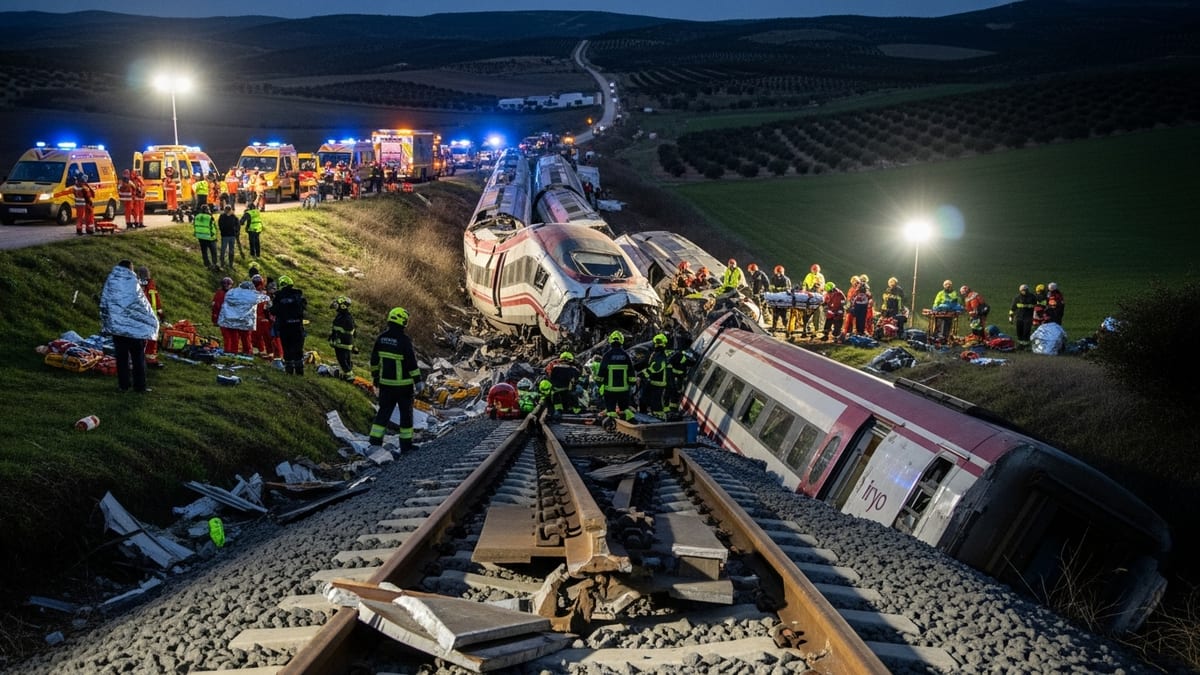
Overnight Blaze at Emerson Road Crossing
According to published coverage from regional outlets, the incident unfolded in the early hours of Thursday, July 9, at the Emerson Road rail crossing in Longmeadow. Emergency dispatchers received reports shortly after 2:20 a.m. of a freight car burning on the tracks, triggering an immediate response from local crews.
Initial information indicates that the blaze involved a single rail car in the consist, which was carrying a load of construction debris. The material inside the car ignited while the train was moving through the crossing, leaving a plume of smoke visible from nearby residential streets and prompting temporary disruption to traffic at the scene.
Rail operations in the immediate area were brought to a halt while firefighters worked alongside railroad personnel to secure the line. The crossing remained closed for several hours as crews ensured there was no extension of the fire to adjacent cars, track infrastructure, or the surrounding right of way.
Embers from Locomotive Believed to Be Trigger
Publicly available information about the incident indicates that investigators are focusing on embers from one of the locomotives as the apparent source of ignition. Reports describe how hot embers or sparks appear to have landed in the open-topped car, where they found ample fuel in the form of mixed construction debris.
Construction debris loads often include wood, packaging, plastic, and other combustible materials that can smolder unnoticed before erupting into open flame. In this case, by the time the train reached the Emerson Road crossing, the contents of the car were burning vigorously enough to require a full fire response and rail line closure.
There were no early indications of hazardous materials involvement, and information available by Saturday suggests the affected car was limited to general construction waste rather than chemical or industrial cargo. That factor likely contributed to the ability of responders to bring the situation under control without a wider evacuation or shelter-in-place advisory.
Multi-Department Response Keeps Fire Contained
Regional coverage notes that the Longmeadow Fire Department received mutual aid from several neighboring communities. Crews from East Longmeadow and North Thompsonville helped directly with suppression efforts at the tracks, while departments from Shaker Pines and Agawam are reported to have provided station coverage during the incident.
Working in low-light, overnight conditions, firefighters deployed hose lines along the rail right of way to reach the burning car. With the train remaining in place for the duration of the response, tankers and engines were positioned to maintain water supply while minimizing additional obstruction to nearby streets.
Reports indicate that responders succeeded in confining the flames to the single debris car, preventing fire spread to adjacent freight cars or the locomotives at the head of the train. The coordinated regional response limited the duration of the incident, with crews reported to have cleared the scene shortly before 6 a.m.
No injuries had been reported by the time local outlets updated their coverage later in the morning. Rail personnel, firefighters, and nearby residents all appeared to avoid harm, with the main impacts centered on temporary disruption to traffic and rail operations.
Rail Traffic and Community Impact
The location of the fire at the Emerson Road crossing meant that both road and rail users felt the effects of the incident. Morning commuters in Longmeadow encountered detours as the crossing remained blocked by the stationary freight train and emergency vehicles, while early rail movements through the corridor were delayed or rerouted.
Freight service through western Massachusetts is a key link between southern New England and upstate New York, and even a single-car incident can affect wider scheduling. While the burned car itself is expected to be removed from service for inspection and cleanup, rail operators typically conduct additional checks on nearby cars and track to verify that heat and firefighting operations have not damaged equipment.
For residents living near the crossing, the primary concerns were smoke, noise, and the sight of flashing lights during the overnight hours. Based on publicly available accounts, the fire produced noticeable smoke but did not lead to long-lasting air quality concerns once fully extinguished and the debris load cooled.
Focus on Safety as Investigation Continues
In the days following the incident, attention has turned to how a routine freight movement carrying non-hazardous construction debris resulted in a significant overnight fire. Reports referencing early findings suggest that investigators are reviewing locomotive exhaust systems, spark arrestors, and operating conditions at the time the embers are believed to have escaped.
Railroads transporting open-topped loads such as scrap metal, debris, or bulk materials typically rely on equipment designed to limit the release of hot cinders or sparks. Any malfunction or unusual operating condition can increase the likelihood of ignition when trains pass close to flammable cargo.
While this Longmeadow fire did not involve injuries or hazardous materials, safety advocates often point to such incidents as reminders of the importance of equipment maintenance and operational vigilance. Recent coverage of freight and passenger rail incidents across North America has highlighted both the overall decline in serious accidents and the continuing need for careful risk management, particularly where rail lines run close to residential neighborhoods.
For Longmeadow travelers and local residents, the quick containment of the construction debris fire meant the incident remained a brief disruption rather than a prolonged emergency. As rail investigators and local officials review the circumstances, their findings are expected to inform ongoing efforts to keep similar events from recurring along this busy New England corridor.