


More news on this day
The United States has tightened its travel advisory for Israel, warning American travelers of an increased threat from Iran-backed Houthi forces and the risk that their expanding campaign in the Red Sea and wider region could rapidly disrupt air travel and security conditions.
Get the latest news straight to your inbox!
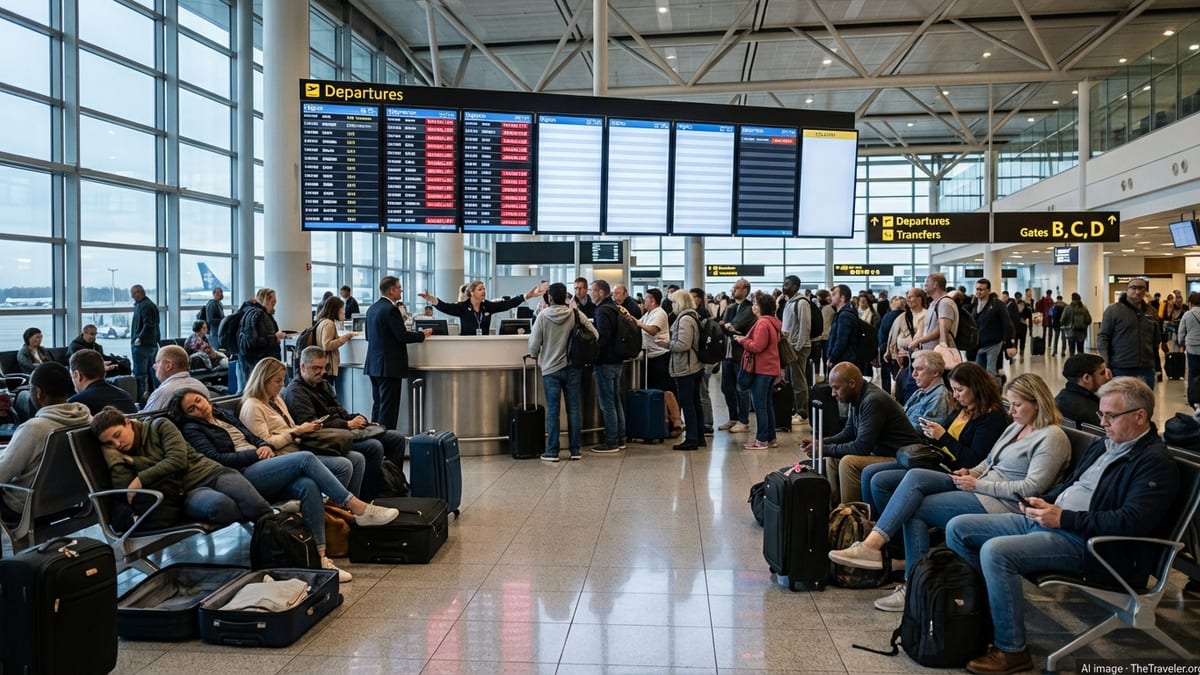
Advisory Heightens Focus on Houthi Risk Without Raising Alert Level
According to publicly available State Department information and published media coverage on October 24, 2026, Israel remains at Level 3 on the United States travel advisory scale, which urges citizens to reconsider travel. However, updated language in the Israel advisory now places greater emphasis on the threat posed by Yemen’s Houthi movement, highlighting the potential for sudden regional escalation tied to missile and drone activity.
Coverage in Israeli and international outlets notes that the updated advisory singles out Houthi militants as a rising danger, alongside existing references to terrorism, civil unrest, and armed conflict. The advisory underscores that the group has previously launched missiles and drones toward Israel, as well as against Saudi Arabia and other countries in the region, sometimes triggering air defense interceptions and civilian alerts.
Reports indicate that, while the numerical level of the advisory has not changed, the narrative has shifted. The revised text stresses that hostilities involving the Houthis could spread quickly beyond immediate conflict zones and affect travelers far from any single strike location. This reflects a broader pattern of United States messaging across the Middle East in recent days, as embassies update security alerts in response to intensifying attacks.
The advisory continues to apply tighter recommendations in certain border areas inside Israel, particularly near Gaza, Lebanon, Syria, and parts of the Israel–Egypt frontier. These longstanding geographical restrictions remain in place while the new wording about the Houthi threat adds another layer of concern rather than replacing existing terrorism and security risk indicators.
Regional Travel Advisories Expand as Houthi Campaign Widens
The shift in the Israel advisory is part of a wider United States move to refresh travel guidance across the Middle East in late October 2026. Publicly available notices and media reporting indicate that updated advisories now reference the Houthi threat in Israel, Saudi Arabia, the United Arab Emirates, Qatar, Bahrain, Iraq, Lebanon, and other destinations, with warnings that attacks could expand or intensify with little warning.
Recent reporting on the security situation describes a pattern of Houthi missile and drone strikes against Saudi territory, including attacks on airports and critical infrastructure that have caused civilian casualties and disrupted air traffic. This activity, concentrated along the Red Sea corridor and interior targets, is presented in United States communications as evidence of the group’s growing reach and the volatility of regional airspace.
In parallel, several United States embassies in the region have published security alerts over the past week urging Americans to exercise what they describe as heightened vigilance. The alerts warn travelers to be prepared for sudden flight cancellations, temporary airspace closures, and other transportation disruptions affecting routes that pass near conflict areas or along the Red Sea and Gulf corridors.
The broader advisory update follows months of concern over maritime and aviation security in and around the Red Sea, Bab al Mandab Strait, and adjoining waters. Public reports by governments and maritime risk agencies have documented Houthi attacks on commercial shipping and repeated threats to target vessels linked to Israel or its partners, raising anxiety that attacks or interceptions could spill over into civilian air travel patterns.
Implications for Travelers Headed to Israel
For travelers planning trips to Israel, the tightened language on Houthi threats primarily affects risk assessment and contingency planning rather than imposing new legal restrictions on entry. Commercial flights to Ben Gurion Airport and other Israeli gateways continue to operate, but the advisory now explicitly raises the possibility that regional hostilities could prompt rapid changes in airspace management and schedules.
Publicly available information and local media reports emphasize that travelers are being encouraged to monitor airline notices closely and to remain flexible with itineraries. Security alerts reference the possibility that missiles or drones launched from Yemen or other locations could lead to temporary route adjustments, diversions, or delays, even if no strike is directed at Israel itself.
The advisory and related guidance also recommend that visitors familiarize themselves with local alert systems and protective infrastructure once on the ground. In Israel, that includes identifying nearby shelters and downloading recognized emergency notification applications that relay information about incoming rockets, missiles, or drone activity. Local coverage notes that these apps can provide neighborhood-level alerts, helping travelers make quick decisions if sirens sound.
Travelers are also advised to check how their insurance providers treat travel to destinations under higher-level advisories or affected by armed conflict. Some international travel policies include exclusions for war or government-issued warnings, which could affect coverage for trip cancellations or emergency evacuations linked to a sudden deterioration in regional security.
Red Sea and Airspace Concerns Shape Flight Planning
The rising focus on the Houthi threat in the Israel advisory is closely tied to broader concerns about Red Sea security and regional airspace stability. Public analyses by defense and security institutions describe how the group has used long-range missiles and one-way attack drones against targets across hundreds of kilometers, including attempts to hit Israeli territory and repeated strikes on Saudi infrastructure and Red Sea shipping.
These developments have complicated route planning for airlines operating between Europe, North America, Asia, and destinations across the Middle East and East Africa. Reports on aviation trends note that some carriers have already adjusted flight paths to reduce exposure to areas where air defense activity and missile trajectories have been recorded, potentially adding flight time or altering traditional corridors.
United States travel advisories now reflect these dynamics by cautioning travelers that aviation conditions in the region can change quickly in response to security incidents. Alerts frequently mention the risk of temporary airport closures, rerouted flights, or airspace restrictions if missile launches or interceptions are detected in areas crossed by commercial traffic, even when the immediate danger zone is offshore or in neighboring countries.
For travelers heading to or from Israel, this means that journeys transiting the Red Sea region or nearby hubs such as Riyadh, Jeddah, Dubai, Doha, or Abu Dhabi may experience knock-on disruptions if Houthi activity intensifies on a particular day. The advisory suggests building additional time into connections, monitoring flight status throughout the journey, and maintaining alternative routing options where possible.
Practical Steps for Travelers Assessing the New Guidance
In light of the updated advisory, travelers considering trips to Israel are encouraged by publicly available travel and safety resources to carry out more detailed pre-departure planning. This includes reviewing the latest United States advisory text, checking parallel guidance from other national foreign ministries, and confirming that passports, visas, and emergency contact details are in order in case plans must change at short notice.
Travel specialists note in published commentary that visitors should pay particular attention to the geographic restrictions highlighted in the advisory, which discourage nonessential travel near the Gaza border, parts of northern Israel close to Lebanon and Syria, and certain stretches of the Israel–Egypt frontier. While major urban centers such as Tel Aviv and Jerusalem are not subject to the same level of restriction, travelers are still advised to stay alert and follow local security instructions.
Given the increasing role of Houthi activity in shaping the risk environment, some industry analyses suggest that travelers consider how comfortable they are with potential delays, diversions, or emergency procedures related to regional missile or drone incidents. Those who are more risk averse may choose flexible tickets, refundable hotel bookings, or itineraries that avoid certain transit hubs along the Red Sea and in the Gulf.
Ultimately, the latest changes to the United States travel advisory do not prohibit Americans from visiting Israel, but they do signal a more complex and fast-moving security picture shaped in part by actors based hundreds of kilometers away. For travelers, understanding how the Houthi threat intersects with airspace safety, regional politics, and on-the-ground precautions is becoming an essential part of planning a trip to the country in late 2026.