


More news on this day
Jordan remains open to international visitors in October 2026, but a series of updated foreign travel advisories, regional tensions and localized security incidents are prompting travelers to reassess plans and scrutinize itineraries more closely.
Get the latest news straight to your inbox!
Heightened Advisories Amid Regional Tensions
A number of governments have raised their advisory levels for Jordan over recent months, citing the wider regional security climate, the risk of terrorism and the potential for armed conflict to spill across borders. The United States currently rates Jordan at Level 3, “Reconsider Travel,” in guidance updated on 29 August 2026, highlighting terrorism, armed conflict and crime as key concerns and identifying several locations where travel is strongly discouraged.
Canadian, British, Australian, New Zealand and several European advisories issued or refreshed in October 2026 also flag an unpredictable security environment. Publicly available information from these sources notes that Jordan’s proximity to multiple regional flashpoints increases the likelihood of missile or drone activity, sudden demonstrations and temporary disruption to air traffic or land borders, even if most of the country remains calm in day to day life.
In practical terms, this means visitors are being urged to monitor official travel advice from their home governments closely in the days before departure. Some advisories also remind travelers that insurance cover may be affected if they enter areas that are explicitly marked as “do not travel” or if a policy excludes destinations under a “reconsider travel” notice, making it important to confirm coverage directly with insurers before flying.
Travelers already in Jordan are being encouraged, through open public guidance, to remain alert to changes in the wider regional situation and to allow extra time for airport security checks, roadblocks around sensitive sites and possible last minute schedule changes, particularly for domestic or regional flights.
Areas with Specific Security Warnings
The most restrictive language in current advisories focuses on Jordan’s northern and eastern border zones. The US advisory singles out Mansheyat al Ghayyath, Ruwayshid and areas along the borders with Syria and Iraq as locations where travel is not recommended, emphasizing the risk of cross border violence, terrorism and criminal activity. Travel within a few kilometres of the Syrian frontier is also tightly controlled for US government personnel.
Separate guidance from the United Kingdom, Canada and other countries points to a band along the Jordan Syria border, generally within a short distance of the demarcation line, as an area to avoid due to the possibility of spillover from fighting and periodic military operations. Some European advisories additionally caution against non essential travel near certain military installations and in isolated desert areas in the northeast, where security forces are active against smuggling and militant networks.
Within Jordan’s urban landscape, the US advisory lists specific neighbourhoods and cities, including Rusayfah and parts of Zarqa and Baqa’a, as locations where there is elevated risk from terrorism and crime. While these areas are not part of typical tourist itineraries, the warnings underscore the importance of understanding local geography, especially for self drive visitors who may be relying on navigation apps rather than organized tours.
Designated Syrian refugee camps are another category where several countries advise against travel, largely due to access restrictions and security controls imposed by Jordanian authorities. For most tourists, these sites are neither open to casual visits nor part of regular tourism programs, but the advisories reinforce that detours into sensitive areas, even out of curiosity, can create complications.
Airspace, Flights and Entry Rules in Late 2026
Despite occasional reports of missile activity in the broader region, Jordan’s airspace remains officially open. The country’s civil aviation regulator has stated in recent months that overflights and operations at key airports, including Queen Alia International Airport near Amman, are functioning normally, with contingency measures in place to respond to any deterioration in regional conditions.
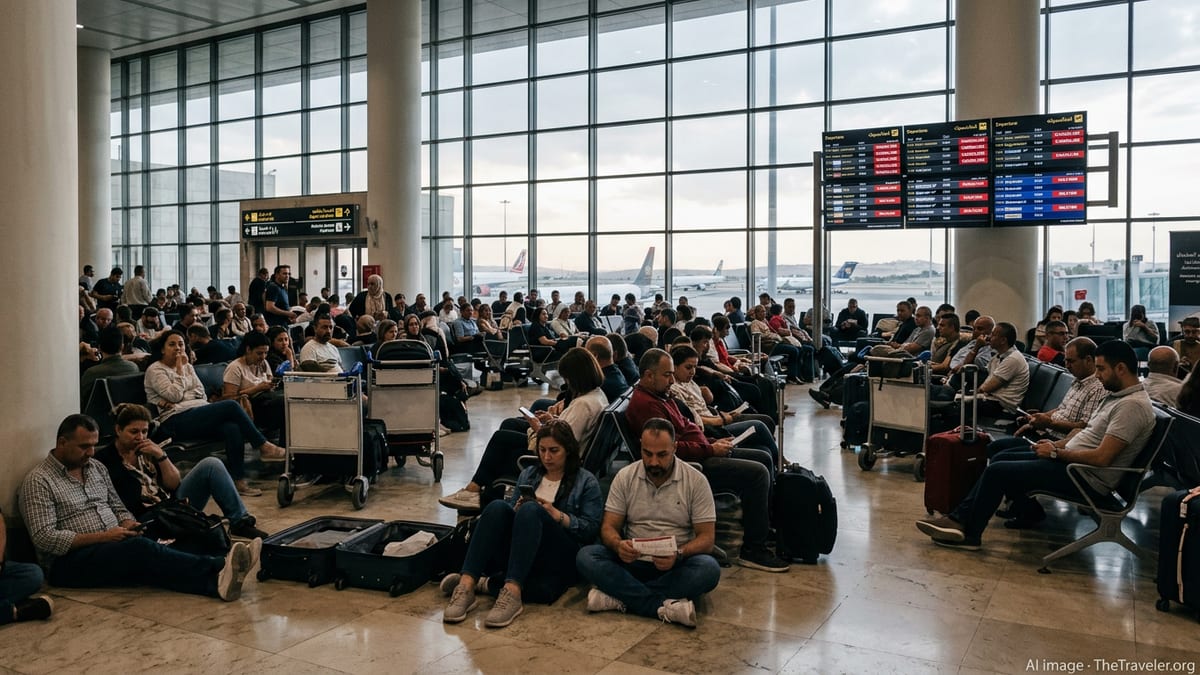
That said, travelers have experienced intermittent delays and isolated cancellations when foreign airlines adjust routings or temporarily suspend services in response to developments elsewhere in the Middle East. Recent advisory updates encourage passengers to monitor their flight status closely in the 24 to 48 hours before departure and to remain flexible about rebooking options, particularly when traveling on multi leg itineraries through hubs such as Istanbul, Doha or Dubai.
On the immigration side, Jordan continues to apply relatively visitor friendly visa policies. Many nationalities, including citizens of North America, Europe and parts of Asia, are eligible for visas on arrival or electronic visas, and public information indicates that the permitted stay for these categories was extended earlier in 2026 from 30 to 90 days without a change in fees. Nonetheless, travelers are advised to check current entry rules with the nearest Jordanian embassy or consulate before departure, as documentation requirements can be adjusted at short notice during periods of regional tension.
Health and documentation checks at airports are currently focused more on security and immigration formalities than on pandemic related controls, but some travel advisories recommend ensuring that routine vaccinations are up to date and carrying printed copies of travel insurance and onward tickets in case they are requested at the border.
Impact on Key Tourism Hubs and Itineraries
So far, the main tourist centres in Jordan have remained accessible, though travelers may notice a more visible security presence. Petra, Wadi Rum, Aqaba and the Dead Sea region continue to feature in tour programs and package holidays, with operators emphasizing that these areas are far from the northern and eastern borders where the strongest warnings apply.
However, foreign travel advisories highlight that large gatherings, national celebrations, religious events and major sports fixtures can attract crowds and occasional protests. In Amman and other cities, travelers are urged to avoid demonstrations and to be cautious around government buildings, major roundabouts and central squares during periods of heightened tension, as local authorities may close roads at short notice or impose movement restrictions.
Seasonal factors are also coming into play as Jordan moves from summer into the cooler months. Advisories from several governments note that between October and March, parts of the country, including Petra and the Dead Sea highway, can experience heavy rain and flash flooding. Tourists planning hikes in canyons or visits to desert wadis are encouraged to check local weather forecasts carefully and to follow guidance from licensed guides regarding trail closures or route changes.
Economic analysis published earlier in 2026 suggests that Jordan’s tourism sector, which contributed a substantial share of national income before the Gaza conflict, has been affected by a dip in visitor arrivals linked to regional instability. Even so, many hotels, guides and transport providers remain fully operational and are actively courting travelers who decide to continue with their plans, often with flexible booking terms to accommodate last minute changes.
Practical Advice for Travelers in October 2026
For visitors scheduled to arrive in Jordan in late October or early November 2026, the overall picture is one of cautious normality layered with additional risk management. Public advisories consistently recommend registering travel plans with consular services where that option exists, keeping copies of identity documents separate from originals, and preparing contingency plans in case flights are disrupted or advisories change during a trip.
Before traveling overland to neighbouring countries, including crossings between Jordan and Israel, travelers are urged to verify that border posts are open and operating normally, as opening hours and procedures can shift in response to developments on either side. Information from national foreign ministries suggests that crossing rules can change with limited notice, particularly during spikes in regional tension.
Within Jordan, using registered taxis, reputable tour companies and known accommodation providers is widely recommended in current guidance. Travelers planning self drive journeys are encouraged to stick to main highways, avoid night driving in remote areas and pay attention to checkpoints, which may be more frequent near sensitive zones and military areas.
Overall, current public information indicates that leisure travel to Jordan in October 2026 remains possible, but it requires a more deliberate approach to risk than in calmer years. Prospective visitors are advised to watch advisory updates closely, stay informed about regional developments and be prepared to adjust routes or timing if the security environment or airline schedules shift while they are on the road.