


More news on this day
A Saudi-led military coalition intercepted and destroyed a ballistic missile launched by Yemen’s Houthi movement toward Riyadh on October 20, 2026, in the latest in a series of cross-border attacks that are reshaping air travel conditions and risk calculations for anyone transiting Saudi airspace.
Get the latest news straight to your inbox!
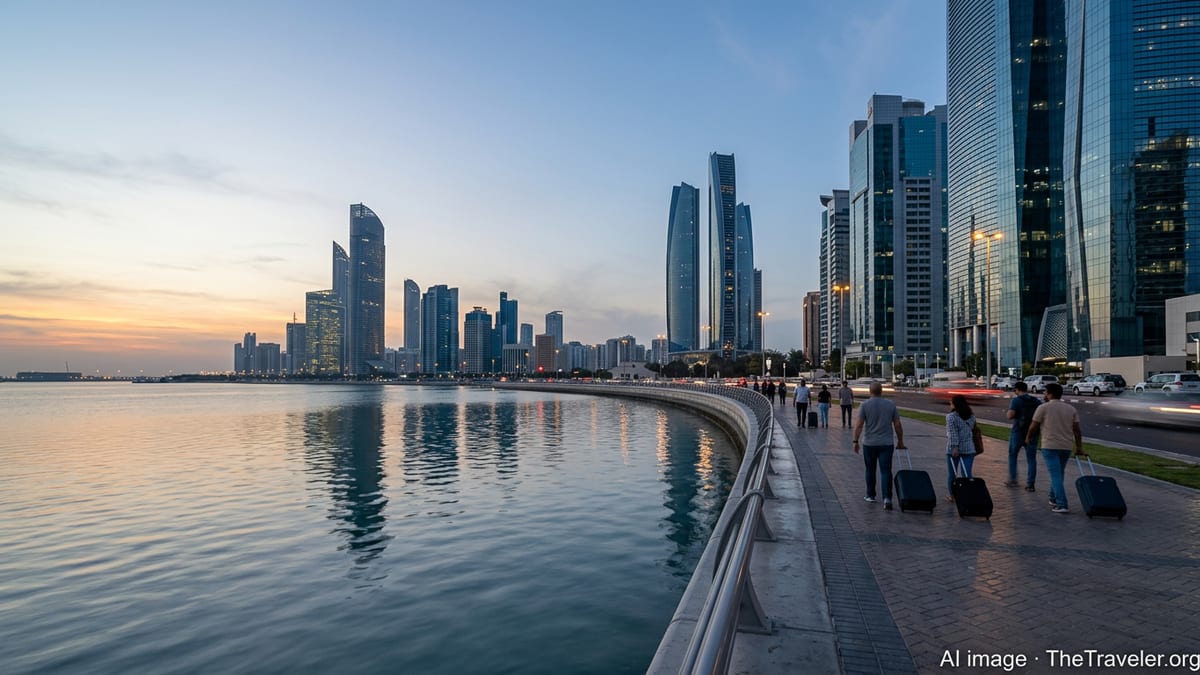
Missile interception near Riyadh heightens regional tensions
Publicly available information from Saudi state outlets indicates that the missile was launched from Houthi-controlled territory in Yemen and was brought down before reaching the Saudi capital’s urban area. Coalition statements described the weapon as a ballistic missile and reported that debris fell in unpopulated zones, with no immediate reports of casualties or significant damage in Riyadh itself.
The interception followed several weeks of intensified Houthi activity targeting Saudi cities, airports and energy facilities. Coverage from regional and international media has documented repeated missile and drone launches in September and October, including lethal strikes on airport infrastructure in Riyadh and the eastern city of Dammam, as well as attempted attacks on Khamis Mushait and other locations.
Analysts who track the Yemen conflict note that the latest launch is part of a broader pattern that ties the Saudi-Yemen front to wider regional friction. Commentaries in regional newspapers highlight how Houthi forces, backed by Iranian support according to United Nations experts, have extended the range and sophistication of their missile and drone arsenal, allowing them to target sites far beyond the Yemeni border.
The Saudi-led coalition has responded with air and missile defense deployments, as well as continued military operations inside Yemen. The repeated interceptions near Riyadh emphasize both the growing technical capabilities of the air-defense network and the rising risk that interception debris, misidentification, or system failures could affect civilian areas and aviation corridors.
Impact on Riyadh air travel and airport operations
The latest interception comes on the heels of direct attacks on King Khalid International Airport, Riyadh’s main gateway. According to aviation incident databases and recent news coverage, the airport was struck by Houthi projectiles earlier in October, causing fatalities among passengers and airport staff and damaging at least one commercial aircraft at the terminal complex.
These attacks prompted temporary closures and partial suspensions of operations at King Khalid International Airport. Specialist aviation advisories reported that the airport was closed through mid-October under a formal airspace notice, and that multiple airlines diverted flights or rerouted services to avoid the Riyadh area during periods of heightened missile and drone activity.
By October 21, published reports indicated that limited domestic traffic had resumed, but with tighter security procedures, slot constraints and on-the-day schedule changes. Flight-tracking services showed a patchwork of arrivals and departures, while some regional routes remained canceled or redirected to other Gulf hubs.
On October 25, local media in Saudi Arabia reported that King Khalid International Airport was preparing to restore a broader range of domestic and international services. Airport authorities have highlighted reinforced security measures, inspection regimes and coordination with air-defense units. However, passengers are being advised through travel-management bulletins and airline updates to confirm departure times close to travel, expect possible delays, and allow additional time at the airport for screening.
Escalating airspace risk for overflights and transit passengers
Beyond those flying to or from Riyadh, the missile launch toward the capital is feeding into a reassessment of the safety of Saudi airspace for overflights. Independent conflict-zone risk services currently rate the risk level for parts of Saudi territory at their highest categories, citing repeated Houthi missile and drone activity against urban centers and key aviation infrastructure, including Riyadh and Dammam.
Advisories compiled by these aviation risk monitors emphasize several overlapping threats: the possibility that a civilian airliner could be misidentified as a hostile object during a period of intense air-defense activity; the danger that falling debris from intercepted missiles or drones could impact flight paths; and the chance of sudden airspace closures following successful or attempted strikes.
Some countries’ aviation regulators have already taken additional precautions. According to publicly available guidance, several European and North American authorities now instruct or recommend that their carriers exercise heightened caution in Saudi airspace, while a few have issued more restrictive guidance, steering flights away from central and eastern parts of the country except for certain corridors regarded as lower-risk.
Corporate travel and security firms are echoing this caution, urging clients to defer nonessential trips involving Saudi airspace, to avoid tight connections through regional hubs, and to maintain flexible itineraries that can absorb diversions or overnight stays if routes change at short notice.
Travelers face shifting airline responses and booking uncertainty
The interception near Riyadh adds to an already complex picture for airline passengers bound for or transiting the Gulf. Recent updates from corporate travel managers list a growing number of airlines that have suspended or reduced flights to Saudi destinations, including King Khalid International Airport, following damage to airport infrastructure and shifting risk assessments.
Several Gulf and South Asian carriers have announced temporary suspensions of specific routes or adjustments to schedules involving Saudi cities. These changes include the cancellation of some direct services into Riyadh, longer routings designed to bypass higher-risk sectors of Saudi airspace, and equipment swaps to smaller aircraft in order to manage fluctuating demand and operational constraints.
Travelers with existing bookings are being encouraged, through airline notices and travel-agency advisories, to monitor their reservations frequently and to sign up for real-time flight alerts. In some cases, airlines are offering rebooking options without change fees for passengers who wish to modify itineraries that include Riyadh or other Saudi airports during this period of elevated tension.
Insurance considerations are also shifting. Policy information from major travel-insurance providers indicates that coverage for trip interruption or delay linked to armed conflict and missile attacks can vary widely by product and jurisdiction. Travelers are being advised to review policy exclusions carefully and, where possible, to purchase plans that explicitly address war-related disruptions if travel through the region cannot be postponed.
Guidance for travelers considering routes via Saudi Arabia
For travelers weighing whether to route through Saudi Arabia in the coming weeks, current public advisories converge on a few practical points. First, those who do not need to transit Saudi airspace are being encouraged to consider alternative routings through other hubs in the Middle East, Europe or Asia, even if this adds time or cost. The aim is to reduce exposure to a rapidly evolving conflict zone where airspace conditions can change with little notice.
Second, those who must travel to or via Riyadh are advised to maintain close contact with airlines, travel managers or booking platforms in the 24 to 48 hours before departure. Published travel-security briefings recommend confirming not only the status of individual flights, but also the operating status of specific airports and terminals, as partial closures can lead to last-minute gate changes, bussing operations on the airfield or extended security checks.
Third, travelers are urged to stay informed through reputable international news outlets and official travel-advisory channels regarding the security situation in Saudi Arabia and the wider Middle East. Changes in the Yemen conflict, or in broader regional tensions, have already proven capable of triggering new barrages of missile and drone fire, followed by adjustments to airport operations and airline schedules with minimal lead time.
Finally, publicly available information from civil aviation and security authorities underscores that the situation remains fluid. While Saudi defenses have successfully intercepted several recent Houthi missiles and drones targeting Riyadh and other cities, each new attack increases operational strain and introduces fresh variables for civil aviation. For now, travelers and travel planners are left to navigate an environment in which air connectivity to one of the region’s largest economies is intact but fragile, and where risk assessments may need to be revisited with every new headline.