


More news on this day
Bratislava is preparing for significant security measures, traffic disruptions and crowding as Indian Prime Minister Narendra Modi arrives in Slovakia for a landmark state visit, prompting fresh travel advisories for visitors to the capital.
Get the latest news straight to your inbox!
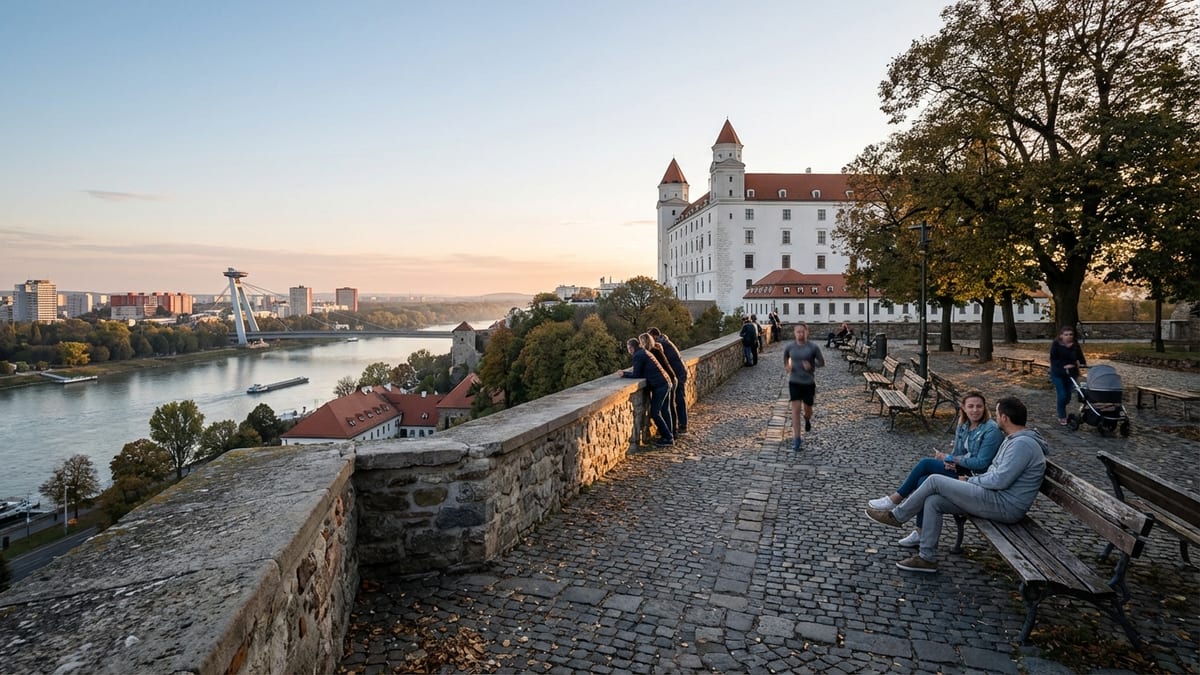
Historic visit brings heightened security to the Slovak capital
Narendra Modi’s trip to Slovakia from 14 to 16 June 2026 is described in publicly available coverage as the first visit to the country by an Indian prime minister since Slovakia became independent in 1993. The visit forms part of a wider European tour that includes France and participation in the G7-related engagements in Évian, making Bratislava a focal point of international attention over the coming days.
Reports from Indian and Slovak outlets indicate that Modi is scheduled to hold talks with Slovak President Peter Pellegrini and Prime Minister Robert Fico in Bratislava, with a programme that includes high-level meetings, ceremonial events and possible business-focused engagements. These activities are expected to be concentrated around key government buildings and representative venues in the city centre.
Given the combination of a historic diplomatic occasion and a multi-day programme, local and national security arrangements are being stepped up in and around Bratislava. Travelers can expect a visible presence of security personnel in central districts, at strategic bridges over the Danube, and around main approach roads leading into the Old Town and government quarter.
Traffic restrictions, road closures and public transport delays
Based on patterns seen during similar high-level visits in European capitals, as well as information emerging from Slovak media on preparations for the trip, visitors should anticipate intermittent road closures and rolling traffic restrictions in Bratislava between 14 and 16 June. The impact is likely to be most pronounced during motorcade movements to and from the airport, government offices and any ceremonial venues.
Disruptions are expected on routes linking Bratislava Airport with the city centre, including major arterial roads and tunnels frequently used for official convoys. Short, unannounced closures may also affect streets surrounding the Presidential Palace, Government Office, key bridges, and riverfront avenues as delegations move through the city.
Publicly available information suggests that public transport may experience delays or temporary diversions, particularly for bus and tram lines crossing central districts or serving the historic core. Travelers arriving by train to Bratislava’s main station should allow additional time for onward transfers, especially if accommodation is in or near the Old Town.
Taxi and ride-hailing services are also likely to face congestion and rerouting. Visitors with tight schedules, including airport transfers, intercity rail connections or time-sensitive business meetings, are advised to build in generous buffers and to monitor local travel updates once on the ground.
Crowd management, demonstrations and event-related congestion
Modi’s visit is attracting considerable attention from the Indian diaspora in Central Europe, business communities and political observers, according to regional media coverage. That interest is expected to translate into larger crowds in selected public spaces, particularly if any outreach events, cultural programmes or public appearances are confirmed during the stay.
Experience from previous high-profile visits in European cities suggests that small demonstrations or peaceful assemblies by groups with differing views on Indian or international issues are possible. Even when entirely peaceful, such gatherings can lead to short-notice cordons, detours and crowd-control measures in affected areas.
Travelers staying near likely focal points such as major squares, landmarks or government precincts should be prepared for short periods of restricted access or increased noise and activity. Photographers and sightseers may find certain vantage points or streets temporarily off-limits while official events are in progress.
Visitors planning to move around on foot should pay attention to temporary signage and instructions from local stewards or transport staff. Choosing alternative walking routes that skirt the busiest squares or government buildings can significantly reduce delays during peak periods of the visit.
Practical guidance for tourists and business travelers
Air travel to and from Bratislava and nearby Vienna is expected to continue operating normally, but passengers should plan for possible longer processing times when dignitary flights coincide with commercial schedules. Arriving earlier than usual for flights and checking in online where possible can help minimize stress.
Hotel bookings within central Bratislava may be tighter over the visit dates, as delegations, media teams and security personnel occupy a share of available rooms. Travelers who have not yet secured accommodation are likely to have more flexibility in districts outside the inner core or in satellite towns connected by rail or regional buses.
Those with pre-booked city tours, river cruises or restaurant reservations in the Old Town should confirm timings a day in advance and remain flexible about route changes. Tour operators may adjust itineraries at short notice to avoid cordoned areas or to adapt to traffic diversions, especially around government buildings and ceremonial sites.
Travel insurance policies that include coverage for missed connections or disrupted itineraries can provide additional reassurance during such periods of heightened activity. Visitors are also encouraged to keep essential documents, medication and valuables in easily accessible hand luggage in case movements between districts take longer than expected.
Staying informed and navigating Bratislava safely
With security and protocol-related plans subject to change during high-level visits, the most effective way for travelers to stay ahead of disruptions is to consult real-time information once in Slovakia. Publicly available updates from transport operators, local news outlets and airport or railway station information boards typically reflect the latest conditions on the ground.
Many hotels in Bratislava’s centre closely follow local advisories during such events and can often provide up-to-date guidance on the best times and routes for reaching key sights or departure points. Guests may wish to ask reception staff about expected traffic patterns and whether any city landmarks are temporarily restricted during specific time windows.
Bratislava is generally considered a compact and walkable city, which can work to travelers’ advantage while motorcades are active. When practical, planning activities within a single neighborhood on a given day, or relying more on walking and short tram rides instead of multiple cross-town journeys, can help reduce exposure to rolling closures.
While the state visit is bringing short-term complexity for movement around the Slovak capital, it also underscores Bratislava’s growing profile on the European diplomatic stage. For most travelers who remain informed and flexible, the city is expected to remain accessible and welcoming throughout the period of Modi’s historic stay.