


More news on this day
A cluster of last minute flight cancellations at Bucharest Henri Coandă International Airport on June 10 has disrupted thousands of journeys, severing multiple regional and long haul connections and sending fresh shockwaves through an already stretched European air travel network.
Get the latest news straight to your inbox!
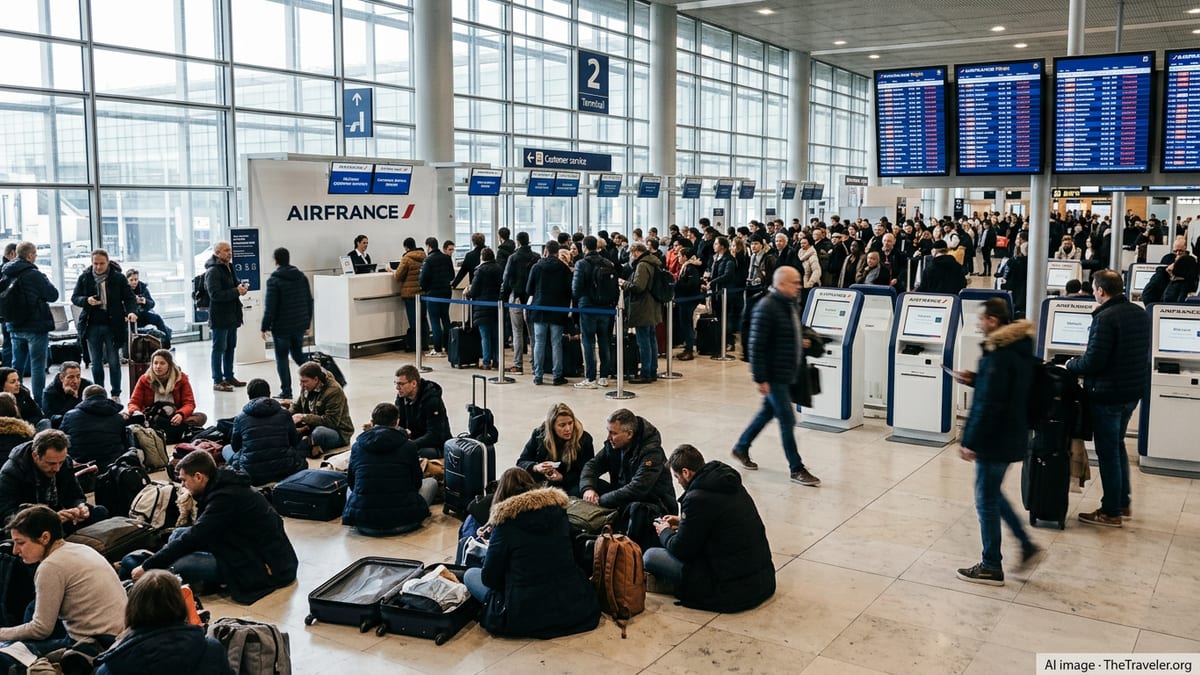
Chain Reaction From Ten Cancelled Departures and Arrivals
According to live airport boards and airline updates monitored on June 10, ten scheduled flights at Bucharest Henri Coandă were cancelled within a few hours, affecting both departures and arrivals. The cancellations hit a mix of regional and medium haul services that normally feed major hubs, multiplying the impact far beyond Romania’s borders.
Published flight information indicates that services linking Bucharest with key transit points such as Istanbul, Vienna, Tel Aviv and several leisure destinations in the eastern Mediterranean were among those withdrawn from the schedule. Cut connections on these routes typically break long chains of onward itineraries to Western Europe, the Middle East and North America, amplifying the disruption for connecting passengers.
Operational data shows that Bucharest Henri Coandă, already one of the fastest growing airports in Central and Eastern Europe, has been managing steadily rising traffic volumes this year. The sudden loss of ten flights on a single day at such a busy gateway has therefore had outsized repercussions, particularly for carriers that rely on tight banked connections through nearby hubs.
The disruption comes at a time when many European airlines are still working through backlogs caused by recent storms, staffing constraints and regional airspace issues. The new wave of cancellations in Bucharest adds further strain to an infrastructure operating close to capacity at the start of the summer peak.
Knock On Effects Across the European Transit Network
European delay tracking and industry reports show that even a relatively small number of cancellations at a strategically located airport can rapidly cascade across the continent. Bucharest sits at a crossroads between Central Europe, the Balkans, the eastern Mediterranean and the Caucasus, so cancelled departures there often translate into missed inbound connections at major hubs such as Vienna, Istanbul, Doha and various western European airports.
Publicly available data from recent weeks highlights how network congestion has left airlines with limited slack to absorb new disruptions. When a Bucharest flight feeding a larger hub is cancelled, passengers often lose not only their initial sector but also multiple onward legs, forcing widespread rebooking and contributing to rolling delays throughout the day.
Travel forums and passenger tracking platforms on June 10 pointed to growing queues at rebooking desks in Bucharest and at downline hubs as affected travelers sought new routings. Reports describe itineraries being restructured from simple one stop journeys into complex multi leg trips, with some travelers facing overnight stays and rerouted paths through secondary airports.
While European long haul traffic has been relatively resilient so far this summer, analysts note that short and medium haul feeder services remain the weakest link. The cancellations at Henri Coandă underline how vulnerable the wider network remains when pressure builds at a single regional gateway.
Recent Strains: From Weather Disruptions to Geopolitical Tensions
The latest turmoil at Bucharest Henri Coandă follows a series of recent stresses on Romania’s main airport and the broader regional network. Earlier this year, heavy snow around the capital caused notable delays and some cancellations, while construction works at the arrivals parking area have periodically complicated ground access for passengers.
In March, published coverage from Romanian media documented dozens of cancellations at Henri Coandă on a single day as flights to and from parts of the Middle East were withdrawn amid heightened regional tensions. On that occasion, multiple airlines including full service and low cost carriers scrubbed services, illustrating how external geopolitical developments can rapidly affect the airport’s schedule.
Beyond Romania, data from Eurocontrol and other European aviation bodies has highlighted a broader uptick in disruption drivers such as severe weather events, airspace restrictions and localized industrial action. These factors have combined to leave minimal buffer capacity in airline schedules, making localized incidents like the June 10 cancellations in Bucharest more likely to spread quickly through the network.
Aviation analysts also point to the continuing recovery from the pandemic period, with many carriers still rebuilding workforce levels and fleet flexibility. Under such conditions, there is less capacity to add rescue flights or spare aircraft at short notice when problems arise at a regional hub.
Growing Airport Under Pressure Ahead of Slot Coordination
Bucharest Henri Coandă’s current operational challenges are unfolding against a backdrop of structural change. In early June, the National Company Bucharest Airports announced that the facility will become Romania’s first fully slot coordinated airport from the winter 2026 season, under a multi year agreement with Airport Coordination Limited, a British slot management specialist.
Industry coverage explains that the airport will move to Level 3 slot coordination, the strictest category used in Europe, reflecting sustained growth in passenger numbers and aircraft movements. Data cited in recent aviation analysis shows a sharp rise in seasonal flight frequencies at Henri Coandă, underscoring capacity pressures on runways, aprons and terminal infrastructure.
While the new coordination regime is not yet in place, specialists suggest that today’s disruption underscores the need for more structured management of scarce airport capacity. Consistent slot allocation and tighter planning are expected to help smooth peak period operations and improve resilience once the new system comes into force in late 2026.
Until then, Bucharest’s main airport continues to function in a high growth environment with limited spare capacity, raising the risk that sudden cancellations or weather related restrictions will trigger disproportionate ripple effects across airline networks.
Passenger Options and What Travelers Are Experiencing
Travelers caught up in the June 10 disruption in Bucharest have been turning to airline apps, online travel agencies and airport information channels to seek alternatives. Consumer groups and passenger advice platforms reiterate that when flights are cancelled, travelers generally have the choice between rerouting at the earliest opportunity or seeking a refund, depending on the carrier’s policy and applicable regulations.
Recent case studies shared on aviation and consumer forums involving cancellations on routes touching Bucharest show that rebooking can sometimes result in multi day delays or significantly altered routings, particularly during busy travel periods. Passengers often report being shifted to alternative connections via less direct hubs, with longer total journey times and, in some cases, overnight layovers.
Experts cited in public guidance on European air travel recommend that passengers monitor airline notifications closely, use digital self service tools where available, and document all additional expenses incurred during extended delays. They also note that certain types of disruption, such as severe weather or airspace closures, may affect eligibility for financial compensation under European rules, even when rerouting rights remain in place.
For now, the situation at Bucharest Henri Coandă illustrates how even a limited number of cancellations can rapidly escalate into widespread travel chaos when they occur at a critical connecting point in a tightly stretched European aviation system.