


More news on this day
Travel disruption escalated at London Heathrow Airport on Wednesday, as a cluster of 10 flight cancellations and at least 113 delays involving British Airways, Etihad Airways, Virgin Atlantic, Emirates, Lufthansa, Delta Air Lines and Air Canada rippled across key routes to Dallas, Philadelphia, Oslo and Athens, stranding passengers and stretching airline operations on one of the world’s busiest travel corridors.
Get the latest news straight to your inbox!
Major Carriers Hit Across Transatlantic and European Routes
Operational data and live flight trackers for Wednesday 3 June indicate that Heathrow, already under pressure from a busy early-summer schedule, faced another wave of disruption affecting a broad mix of transatlantic and European services. British Airways, the airport’s largest operator, alongside Etihad Airways, Virgin Atlantic, Emirates, Lufthansa, Delta Air Lines and Air Canada, all registered delayed or cancelled movements that contributed to mounting congestion throughout the day.
Published aviation tracking information shows multiple Heathrow departures and arrivals running significantly behind schedule on services touching the United States, Canada and northern and southern Europe. Flights serving Dallas and Philadelphia, both key long-haul links from London, as well as Oslo and Athens within Europe, were among those experiencing extended delays or cancellations, leading to missed onward connections and crowding at transfer desks.
While the total of 10 outright cancellations is modest compared with previous large-scale meltdowns at European hubs, the combination with more than one hundred delays created a knock-on effect across airline networks. Disruptions at a major hub such as Heathrow tend to cascade quickly, with late-arriving aircraft and crew imbalances spilling over into evening rotations and, in some cases, into the following day’s schedule.
Publicly available airport and airline data also indicate that codeshare arrangements complicated the picture. Several delayed flights were marketed simultaneously by Delta, Virgin Atlantic and Etihad on shared services between London and Oslo, and by British Airways and its transatlantic partners on routes linking Heathrow with U.S. gateway cities.
Routes to Dallas, Philadelphia, Oslo and Athens Disrupted
Among the most visible disruptions on Wednesday were long-haul services between Heathrow and Dallas–Fort Worth and Philadelphia, both important hubs for transatlantic traffic. Flight status tools tracking British Airways and partner-operated flights on these routes showed extended departure or arrival delays, with some services rescheduled well beyond their original time slots and at least one rotation removed from the timetable.
In Europe, connections linking London with Oslo and Athens also featured in the day’s irregular operations. An Oslo-bound service jointly marketed by Delta, Etihad, Virgin Atlantic and others was running behind schedule, while Athens flights operated by British Airways displayed timetable adjustments, illustrating how a relatively small number of delayed departures at Heathrow can disrupt multiple brands through shared codes.
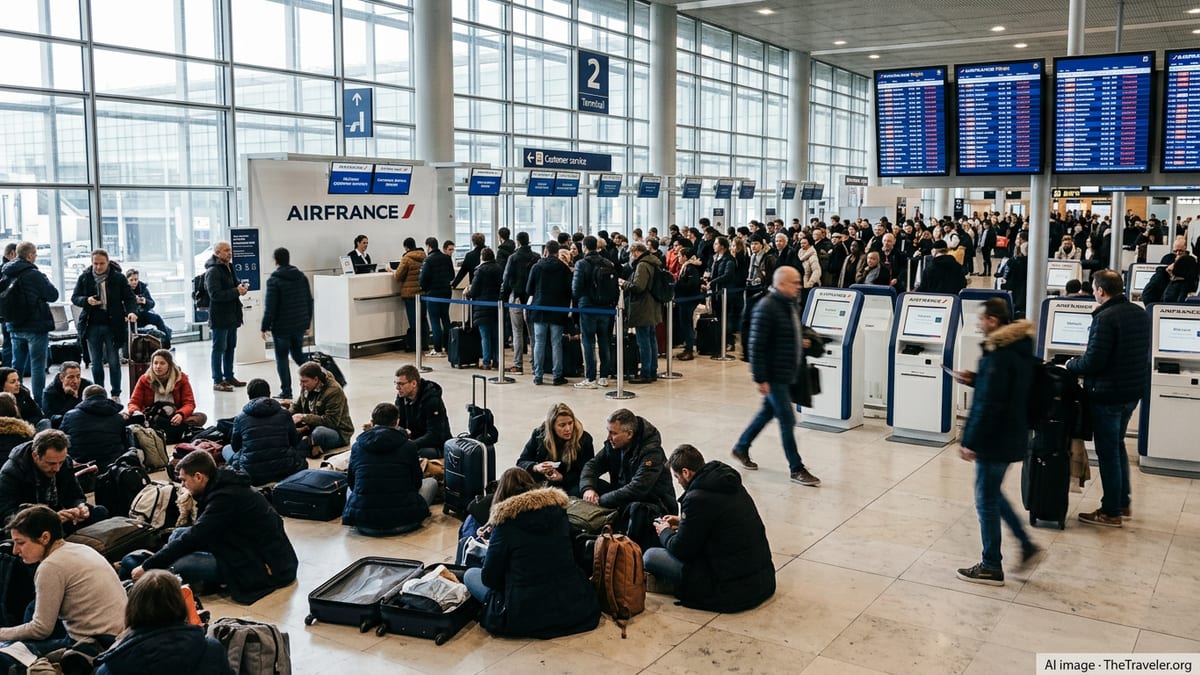
For passengers, the impact was immediate. Travelers expecting direct or single-connection journeys between London and cities such as Dallas, Philadelphia, Oslo and Athens encountered late departures, missed onward flights and, in some cases, rebookings onto alternative routings via other European or North American hubs. Travel forums and social media posts highlighted long queues at customer service desks and busy departure lounges as airlines worked through re-accommodation and overnight arrangements.
Several carriers had already flagged a tightly packed summer schedule for 2026, particularly across the North Atlantic and Mediterranean markets, leaving limited slack in the system when disruptions occur. The latest Heathrow delays therefore arrived at a time when aircraft utilization is high and spare seats for same-day rebooking can be difficult to find, especially on peak midweek travel days.
Multiple Factors Behind Heathrow’s Latest Wave of Delays
The precise mix of causes behind Wednesday’s disruptions at Heathrow is not yet fully clear, but publicly available information points to a familiar combination of operational and capacity pressures. Earlier in the season, aviation analysts had already highlighted staffing constraints at some ground-handling providers, as well as tight turnaround times built into summer timetables.
Weather played a role elsewhere in Europe in recent days, and any knock-on effect on inbound aircraft can quickly feed into Heathrow’s schedule. Even minor holding patterns or air traffic control restrictions can generate rolling delays when an airport is operating close to capacity, as Heathrow typically does during peak hours.
Industry commentary in recent months has also pointed to elevated strain on long-haul fleets, as airlines redeploy aircraft to meet strong demand on transatlantic and Middle Eastern routes. For carriers such as British Airways, Virgin Atlantic, Emirates and Lufthansa, a single aircraft going out of service unexpectedly can force last-minute consolidation of flights or outright cancellations, especially on routes that operate only once daily.
Aviation rights organizations tracking irregular operations noted that Heathrow has seen several clusters of cancellations and severe delays since May, involving both European legacy carriers and North American partners. While Wednesday’s figures were less extreme than some earlier events, the breadth of airlines and destinations affected underlined the continuing fragility of schedules in the early summer period.
What Stranded Passengers Can Expect in Support and Compensation
Passenger-rights specialists note that travelers affected by delays or cancellations at Heathrow may be eligible for assistance and, in some cases, financial compensation, depending on the cause and length of disruption and the operating carrier. Under UK and European air passenger regulations, airlines generally must offer rerouting or refunds when a flight is cancelled, as well as basic care such as meals and accommodation during extended waits.
However, eligibility for fixed-sum compensation is more complex and can depend on whether the disruption is within the airline’s control. Technical faults or crew rostering issues are often treated differently from severe weather or air traffic control restrictions. Consumer-advocacy sites advise passengers to keep documentation of boarding passes, booking references and any written notifications from their airline to support potential claims.
Travel experts also recommend that stranded passengers check the status of downstream connections, including separate tickets, as delays on a first leg can easily disrupt unrelated itineraries. With major networks such as those operated by British Airways, Delta, Lufthansa and Air Canada funneling through Heathrow and other European hubs, a single missed departure can result in substantial rerouting via alternative cities.
Given the scale of Wednesday’s disruptions, travel guidance circulating online encouraged affected passengers to explore self-service options in airline apps where possible, including rebooking tools and same-day change features. At times of high demand on airport customer-service counters, digital options can offer faster confirmation of new flights, although availability is often limited on heavily booked transatlantic and Mediterranean routes.
Ongoing Monitoring as Summer Travel Peaks
With the northern hemisphere summer travel season ramping up, aviation analysts expect Heathrow and its largest carriers to remain under close scrutiny in the coming weeks. Operational bulletins and live trackers are being watched carefully for signs of further clusters of cancellations or prolonged delays, particularly on pressure points such as North Atlantic links and popular leisure routes to southern Europe.
Recent coverage of wider disruptions at major European hubs, including events at Frankfurt and Munich affecting Lufthansa and its partners, illustrates how tightly coupled airline networks have become. Irregular operations at one airport often feed quickly into another, especially where joint ventures and codeshares link carriers across the Atlantic and beyond.
For now, the situation at Heathrow on Wednesday stands as another reminder of the thin margin for error in modern hub operations. Even a limited set of 10 cancellations, when combined with more than a hundred delays across multiple airlines, proved sufficient to disrupt thousands of journeys and leave passengers bound for cities such as Dallas, Philadelphia, Oslo and Athens searching for alternative ways to reach their destinations.
As airlines adapt schedules and adjust capacity, travelers planning transits through Heathrow in the coming days are being advised by travel commentators to monitor flight-status tools closely, allow extra time for connections and remain prepared for last-minute gate changes or rebookings, particularly on the busiest long-haul and regional routes.