


More news on this day
Passengers at Louisville Muhammad Ali International Airport in Kentucky faced an unexpectedly difficult start to the week as publicly available tracking data showed at least 27 delayed departures and six outright cancellations affecting services operated by American Airlines, Delta Air Lines, Southwest Airlines, United Airlines and other carriers to major U.S. and international hubs on Monday.
Get the latest news straight to your inbox!
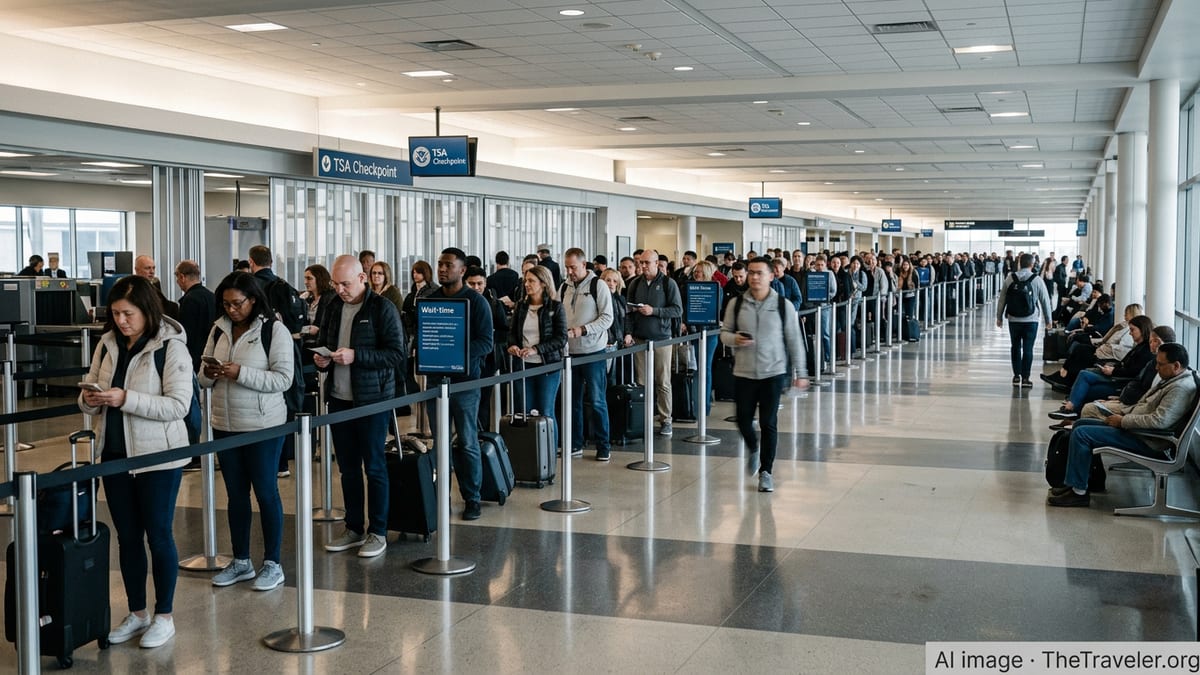
Morning Disruptions Ripple Across Major Airline Schedules
The disruptions began building in the early morning hours, when a cluster of departures from Louisville to major connection points in Chicago, Dallas Fort Worth, Atlanta, Charlotte and Denver began to register late on airline status boards and third party flight tracking platforms. By midmorning, the number of affected flights had grown into the dozens, concentrating delays on some of the country’s most heavily used domestic corridors.
American Airlines, Delta, Southwest and United, which together handle the bulk of Louisville’s scheduled passenger traffic, appeared among the most affected operators. Publicly available information showed pushed back departure times on multiple short haul routes, often in the 45 to 90 minute range, as crews, aircraft and ground operations struggled to reset after a turbulent June for U.S. aviation more broadly.
Regional affiliates operating under the big four brands were also caught up in the disruption, with several feeder flights to connecting hubs experiencing rolling delays. For travelers booked on multi segment itineraries, even modest schedule changes out of Louisville threatened to cascade into missed connections at crowded hub airports already managing heavy summer passenger loads.
Six Cancellations Add to Passenger Strain
While most affected flights were eventually expected to depart, six cancellations stood out on boards at Louisville Muhammad Ali International Airport, instantly forcing passengers to seek scarce seats on alternative departures. The canceled services included a mix of mainline and regional operations, according to tracking services, and impacted journeys both to nearby Midwest cities and longer range domestic destinations.
For many travelers, the loss of a flight at a mid sized airport like Louisville can be more disruptive than at a mega hub, because there are simply fewer same day alternatives on the same route. With June demand running high following recent nationwide aviation disruptions, rebooking options on remaining departures from Louisville were already constrained.
Publicly available information suggests that standard re accommodation policies were in effect across carriers, with passengers shifted onto later flights where space allowed or offered refunds and credits. However, the combination of crowded aircraft, tight connection windows and higher seasonal fares limited how easily many people could adjust their plans, particularly those headed to time sensitive events, cruises or international onward connections.
National Turbulence and Local Weather Complications
The localized disruption in Louisville unfolded against a wider backdrop of strain across the U.S. aviation system in June 2026. Recent days have seen major operational challenges at large hubs, including severe weather related delays in Denver and Denver linked ground stops, as well as high volume congestion at East Coast gateway airports. These issues have contributed to a fragile operating environment in which even smaller schedule shocks at one airport can rapidly spread through airline networks.
Airports like Dallas Fort Worth, John F. Kennedy in New York and LaGuardia have all experienced significant bouts of travel chaos this month, with hundreds of delays and dozens of cancellations reported on single days. That broader pattern has made it more difficult for carriers to restore normal rhythms on smaller spokes such as Louisville, where flights depend heavily on aircraft and crews arriving from larger hubs.
In addition to national pressures, local factors around Louisville may have contributed to operational complexity. The airport sits in a region subject to rapidly changing summer weather, and thunderstorms moving through the Ohio Valley can periodically disrupt both departures and arrivals, complicating gate availability and pushing back turn times. Even where conditions at Louisville itself remain flyable, constraints at destination airports can ripple back into departure schedules.
Impact on Key U.S. and International Connections
Despite lacking regular scheduled long haul passenger flights, Louisville Muhammad Ali International Airport functions as an important jumping off point for international travel, given its frequent links to major U.S. hubs with onward global connections. Delays and cancellations on routes to cities such as Chicago, Atlanta, Dallas Fort Worth, Charlotte and New York can therefore reverberate far beyond Kentucky, affecting connections to Europe, Latin America and Asia.
Passengers connecting from Louisville to transatlantic services in particular faced heightened uncertainty, as relatively short minimum connection times at busy hubs left little margin to absorb upstream disruption. Even a brief hold on departure from Louisville could force travelers to be rebooked onto later long haul flights, in some cases arriving a full day later than planned at overseas destinations.
Business travelers and leisure passengers alike were advised by airlines and travel agents in recent days to build additional time into their itineraries and to monitor flight status closely, in recognition of the unsettled operating environment across U.S. airspace this month. On a day when 27 delays and six cancellations were recorded in Louisville alone, those precautions appeared particularly relevant.
What Travelers Through Louisville Can Do Next
For those still scheduled to depart Louisville Muhammad Ali International Airport later in the day or in the coming 24 hours, publicly available guidance from airlines and aviation agencies points to several practical steps. Passengers are encouraged to check their flight status frequently before leaving for the airport, use carrier apps or kiosks to proactively explore alternative routings if delays lengthen, and consider traveling with carry on luggage only when feasible to preserve flexibility in the event of last minute rebookings.
Travel experts also suggest that passengers with critical same day connections, particularly to international flights, should evaluate whether earlier departures from Louisville are available, even if that means spending more time in a hub airport. In an environment where irregular operations can develop quickly, having a larger time cushion between flights can significantly reduce the risk of becoming stranded midjourney.
For Louisville’s airport, the difficult day unfolded as it continues to manage rising passenger numbers and ongoing infrastructure projects. Recent reporting has highlighted the facility’s growth in both passenger volumes and cargo operations, anchored by the UPS Worldport hub. That growth underscores the airport’s significance within the national network and helps explain why even a few dozen disrupted flights can have an outsized impact on travelers across the country and beyond.