


More news on this day
Urban travelers face fresh disruption in early September as new city road closures for construction and maintenance works take effect, prompting warnings to plan extra time and check alternative routes before setting out.
Get the latest news straight to your inbox!
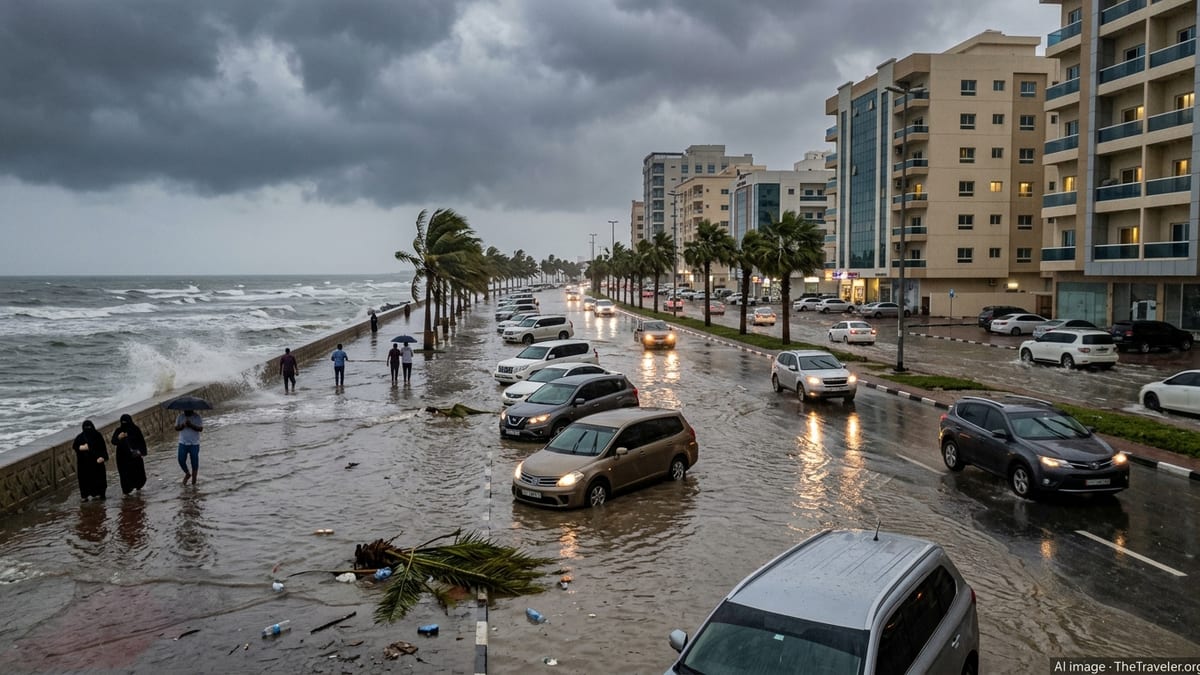
City road works create new early-September bottlenecks
Multiple cities have announced temporary full or partial closures on key streets and arterials in the coming days, with transport agencies highlighting the potential for delays to commuter, business and leisure travel. Updated public notices and traveler advisories released in recent days show that closures linked to resurfacing, utility upgrades and long-planned infrastructure schemes will coincide with late-summer trips and back-to-work journeys.
In Denver, publicly available information from the city’s Department of Transportation and Infrastructure highlights a series of lane closures on major downtown corridors including Speer Boulevard, Blake Street and Auraria Parkway for pavement replacement and concrete panel work. The advisory describes reduced capacity over several days, with only a single travel lane remaining open along part of Auraria Parkway, and urges drivers to consider alternate routes to avoid congestion.
On the U.S. West Coast, an advisory from the Santa Clara Valley Transportation Authority outlines daytime construction, overnight work and a long-term ramp closure affecting the I-280 and Wolfe Road interchange area in California’s Silicon Valley. The notice indicates that between September 7 and 18, lane closures, detours and a new traffic configuration from mid-September are expected to slow traffic near hotels, offices and residential areas, increasing the risk of unexpected delays for airport transfers and regional trips.
In other cities, road agencies are using weekly traffic alerts and construction trackers to flag closures that sit alongside broader lane reductions on regional highways. These updates, covering everything from downtown street maintenance to slip road shutdowns, collectively point to a more challenging landscape for drivers entering and crossing busy urban cores at the start of September.
International cities add to closure picture
Beyond North America, city authorities in other regions are also signaling fresh disruptions on central streets as major works move ahead. In Perth, Western Australia, the City of Perth’s regularly updated road works and closures listing includes a new notice for a full closure around Roe Street and Queen Street from September 7, affecting vehicle access on the northern edge of the central business district. The city’s public information explains that these full closures are linked to permitted activities and advises drivers to consult detailed maps and diversion information before travel.
In the United Kingdom, Hampshire County Council has issued a September travel alert focused on motorway and slip road closures linked to major construction at the M27 Junction 10 upgrade. The council’s September 2026 progress update details overnight full carriageway closures and repeated closures of the westbound off-slip around Fareham on specific dates. While these works are largely outside city centers, they directly affect access to urban areas and ports, and can have knock-on effects for drivers heading into Southampton and surrounding communities.
City-level information systems in other destinations are also flagging construction-related restrictions that can intersect with urban tourism. Portland’s latest neighborhood update for major water infrastructure works, for instance, sets out lane restrictions and single-lane traffic controls on Dodge Park Boulevard between early September and the end of October. Although this site sits outside downtown, the reduced capacity and flagger-controlled access can slow visitor journeys between Portland and nearby recreation areas.
These examples illustrate how a mix of local road upgrades, regional projects and utility works in different countries can converge on the same busy travel window, creating a patchwork of closures that travelers may only discover at short notice if they do not check local advisories in advance.
Regional traveler advisories highlight timing and scope
State and regional transport departments are using detailed traveler advisory pages to outline when, where and how closures will affect access to urban areas. In New York State, for example, the transportation department’s September traveler advisories list upcoming full road closures, ramp shutdowns and alternating lane operations on state routes in and around cities including Utica and communities in the Hudson Valley. The advisories specify dates, affected road segments and the nature of traffic control, signaling intermittent but sometimes overnight impacts for drivers approaching urban centers.
Local city websites complement these state-level updates. In Raleigh, North Carolina, the closures and detours page aggregates information about scheduled downtown closures such as the recent shutdown of sections of Hargett Street for water and sewer improvements, alongside longer-term closures at locations like the New Hope Church Road rail crossing. The resource explains that these closures cover both city and state projects as well as private utility works within the right-of-way, indicating the breadth of activity that can influence urban mobility.
In New York City, the municipal transport department’s weekend traffic advisory and construction embargo listings provide another layer of insight for urban travel. The weekend advisory outlines specific streets and date ranges for closures, including multi-week daytime closures on residential and commercial blocks for pump station reconstruction, while the embargo notices highlight dense central areas where routine construction-related lane closures are temporarily restricted to keep traffic flowing during major events. For visitors, this combination of targeted closures and special-event constraints can significantly alter preferred driving routes across the city.
Together, these advisory tools show a consistent pattern: even when full road closures are limited to particular blocks, the cumulative effect can be substantial in dense downtown grids, especially where detours intersect with other maintenance or event-related restrictions.
What drivers should expect in affected cities
For travelers planning city breaks, business trips or regional drives through early and mid-September, the current pattern of roadworks suggests that extra journey time is a practical necessity. Publicly available notices repeatedly emphasize the possibility of slower traffic near lane drops, complete block closures and reconfigured junctions, particularly around major interchanges and in downtown corridors used by commuters and freight vehicles alike.
In practice, this can mean more congestion on secondary streets as drivers follow signed detours away from closed segments, or delays at intersections where temporary traffic signals and flagging operations replace normal patterns. Areas with large numbers of hotels, entertainment venues or sports facilities may see added pressure during evenings and weekends when visitor volumes peak, especially where overnight works remove key access ramps or narrow bridges to a single lane.
Travelers who normally rely on familiar shortcuts or lesser-known back streets may find those options temporarily removed or heavily managed, as seen in city notices where whole blocks are taken out of circulation for resurfacing, bridge work or safety upgrades. Unfamiliar signal timings, new lane markings and temporary barriers can also increase stress for drivers arriving from out of town.
Given that many of the current closures overlap with late-summer holiday returns and early autumn events, some congestion is likely to extend beyond traditional rush hours. Early-morning airport transfers and late-evening intercity drives may encounter work zones where overnight construction is concentrated, particularly around interchanges and bridge approaches.
How travelers can minimize disruption
While the scope of works is extensive, travelers can mitigate some of the impact by paying close attention to official city and regional information channels before setting out. Many road agencies maintain daily-updated closure pages, dynamic construction maps and weekly traffic bulletins that summarize major works and highlight the most significant potential delays. These resources typically point to real-time traffic tools and state-level travel information platforms for live updates.
Journey planning tools that incorporate local road-closure feeds can help drivers compare alternative routes into city centers, airports and attractions, while public transport options may provide a viable substitute in corridors with heavy construction activity. Where closures are confined to predictable overnight windows, rescheduling arrival or departure times slightly earlier or later may avoid the heaviest disruption.
Travelers with fixed appointments, such as conference sessions, medical visits or cruise departures, may wish to build a larger buffer into their itineraries, particularly in areas highlighted by recent advisories in Denver, Silicon Valley, Perth and along key regional corridors in New York State and southern England. Checking both origin and destination city websites on the day of travel can provide an extra layer of assurance that no new closures have been added that could affect the final approach.
With infrastructure agencies signaling that schedules can still change at short notice due to weather or operational requirements, treating roadwork advisories as a starting point rather than a complete guarantee remains important. Flexibility, up-to-date information and a willingness to adjust routing or modes of transport offer the best chance of keeping urban journeys on track during this period of intensive construction activity.
Denver Department of Transportation and Infrastructure – travel advisory
Santa Clara Valley Transportation Authority – I-280/Wolfe Road advisory
City of Perth – road works and closures
Hampshire County Council – M27 Junction 10 travel alert
New York State Department of Transportation – 2026 traveler advisories