


More news on this day
Travelers considering a trip to a popular South American vacation hot spot are being urged to reassess their plans after recent coverage of a U.S. advisory highlighted risks of murder, kidnappings and drink-spiking robberies affecting visitors in busy urban and nightlife districts.
Get the latest news straight to your inbox!
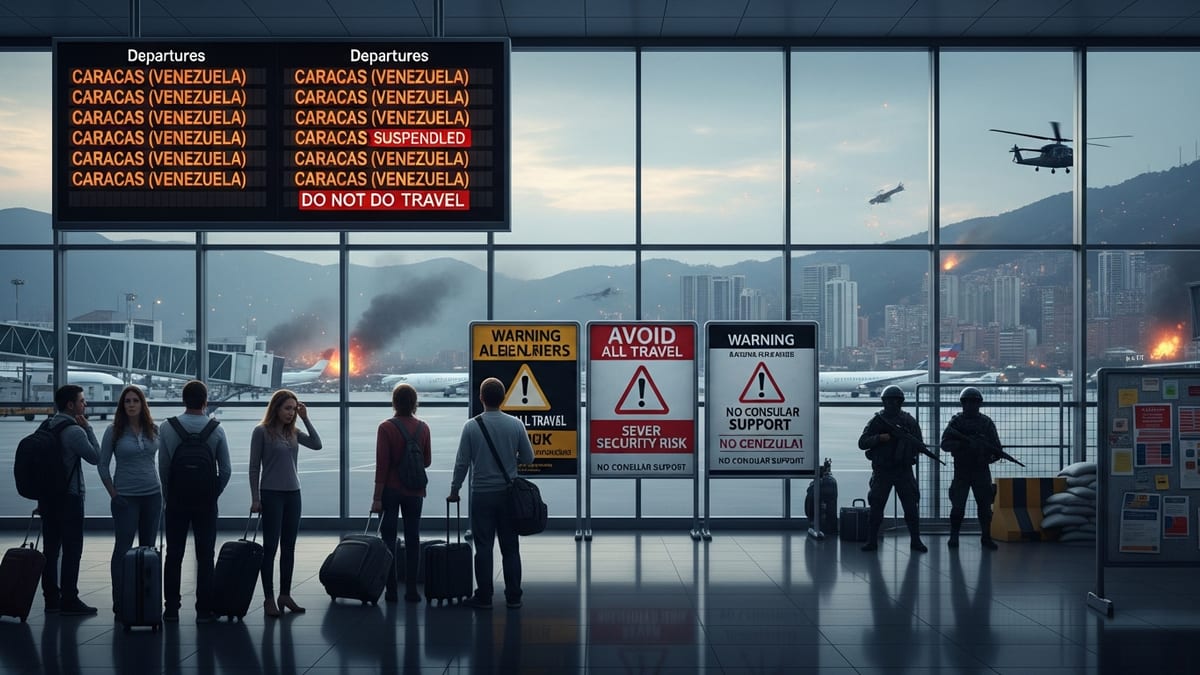
Fresh warning puts spotlight on violent crime risks
Recent reports summarizing a U.S. State Department advisory describe a concerning security picture in at least one major South American destination, where violent crime has prompted a renewed call for vigilance among foreign visitors. Coverage of the notice indicates that incidents of homicide, kidnapping, carjacking and robbery remain a risk in urban areas that serve as gateways to beaches and resort zones, and that travelers may be targeted in locations popular with tourists both day and night.
Summaries of the alert emphasize that the warning is not limited to isolated neighborhoods, but instead references crime patterns across major cities, including areas with heavy visitor traffic. The wording mirrors broader regional advisories for parts of Latin America that link elevated risk levels to a combination of organized crime, opportunistic street offenses and occasional high-profile attacks that have previously drawn international attention.
Publicly available travel-advisory guidance notes that such warnings are periodically updated to reflect new information on criminal tactics and geographic hot spots. The latest coverage underscores that murder and kidnapping remain headline concerns in some destinations, even as visitor numbers recover and beach resorts continue to market themselves aggressively to international tourists.
Drink-spiking robberies emerge as a key concern
Alongside references to murder and kidnapping, the advisory coverage draws particular attention to drink-spiking robberies, a form of crime that has been documented in nightlife districts across several countries. Recent travel-security briefings describe a pattern in which victims are approached in bars, clubs or via dating apps, then incapacitated with drugs slipped into drinks or food before being robbed of cash, phones and high-value items.
Government advisories for destinations such as Brazil, Colombia, Thailand and the Philippines have in recent months cited spiked drinks or food as a method used by criminals to facilitate robbery or sexual assault, especially in entertainment zones and red-light districts that attract large numbers of foreign visitors.
Security analysts who track these incidents characterize drink-spiking robberies as relatively low in frequency compared with petty theft, but high in impact because victims can suffer serious medical complications and substantial financial losses. Public guidance typically encourages travelers to watch drinks being prepared, avoid leaving glasses unattended and treat approaches from strangers offering food, drinks or cigarettes with particular caution.
Global pattern of risk across popular holiday hubs
The latest South American warning fits into a wider pattern of concern about violent crime affecting tourists in busy resort and city destinations. Travel-advice updates for Brazil in August 2026, for example, highlight homicide, robbery and kidnapping risk in major urban centers, while noting that criminals may monitor visitors leaving bars or withdrawing cash at night.
Other widely visited destinations have also appeared in recent advisories and embassy notices. Public guidance for the Philippines, updated on September 1, 2026, urges travelers to exercise increased caution nationwide due to crime, terrorism, unrest and kidnapping, and records incidents affecting foreigners that include robberies, assaults and homicides. Separate notices for Southeast Asian beach islands and European party resorts point to drink spiking and late-night muggings in bar districts, particularly during peak holiday seasons.
Despite these concerns, travel-industry data and tourism-board statements indicate that visitor numbers to many of the highlighted countries continue to rebound strongly compared with earlier in the decade. Analysts suggest that this creates a complicated risk environment in which booming nightlife and relaxed holiday expectations exist alongside persistent criminal threats, especially in dense urban neighborhoods adjacent to tourist infrastructure.
How travelers are being urged to respond
Publicly available safety advice in response to the latest warnings stresses preparation rather than panic. Travelers are encouraged to read full country and city-level advisories on official government websites before booking, paying particular attention to maps or text that identify higher-risk neighborhoods, rural regions affected by armed groups or areas where kidnapping has occurred.
Security guidance also highlights practical steps within cities. Visitors are often advised to arrange airport transfers through reputable hotels or licensed services, use registered taxis or ride-hailing apps rather than unmarked vehicles, and avoid displaying expensive jewelry or electronics in crowded streets. Many advisories recommend traveling in small groups at night, sticking to well-lit routes and keeping a low profile when leaving bars or clubs.
With respect to drink-spiking risks, recommendations usually include ordering directly from the bar, declining drinks from strangers, monitoring beverages at all times and seeking medical help immediately if sudden drowsiness, confusion or loss of coordination occurs. Travelers are also urged to store copies of passports and key documents separately, use hotel safes where available and maintain regular contact with family or friends who know their itinerary.
Advisories stress context, not blanket fear
Although the latest coverage of murder, kidnappings and drink-spiking robberies in a South American vacation hot spot has attracted significant attention, official travel-advisory systems generally frame these incidents within a broader context. Many destinations with heightened warnings still host millions of visitors each year whose trips pass without serious incident, and risk levels can vary sharply from one region or neighborhood to another inside the same country.
Government travel pages typically provide graded advisory levels and detailed explanations of specific threats, allowing travelers to differentiate between areas where extra vigilance is recommended and locations where nonessential travel may be discouraged entirely. Some advisories also offer practical checklists and links to traveler-enrollment programs that can provide security updates while people are abroad.
For now, publicly available information suggests that the primary response expected from visitors is careful planning and situational awareness, rather than wholesale cancellation of trips. The recent focus on murder, kidnappings and drink-spiking robberies in vacation hot spots serves as a reminder that even in destinations marketed for carefree relaxation, understanding local conditions and following basic precautions remain central parts of any travel plan.
FOX 5 DC: Travelers warned of murder, kidnappings and drink-spiking robberies in vacation hot spot
U.S. Department of State: Travel advisories
TheTraveler.org: New travel warnings highlight violent crime in tourist hotspots