


More news on this day
Travelers heading to some of the world’s most popular beach and city getaways are being urged to tighten their safety habits as fresh government advisories highlight a rise in murders, kidnappings and drink-spiking robberies targeting visitors in nightlife and resort zones.
Get the latest news straight to your inbox!
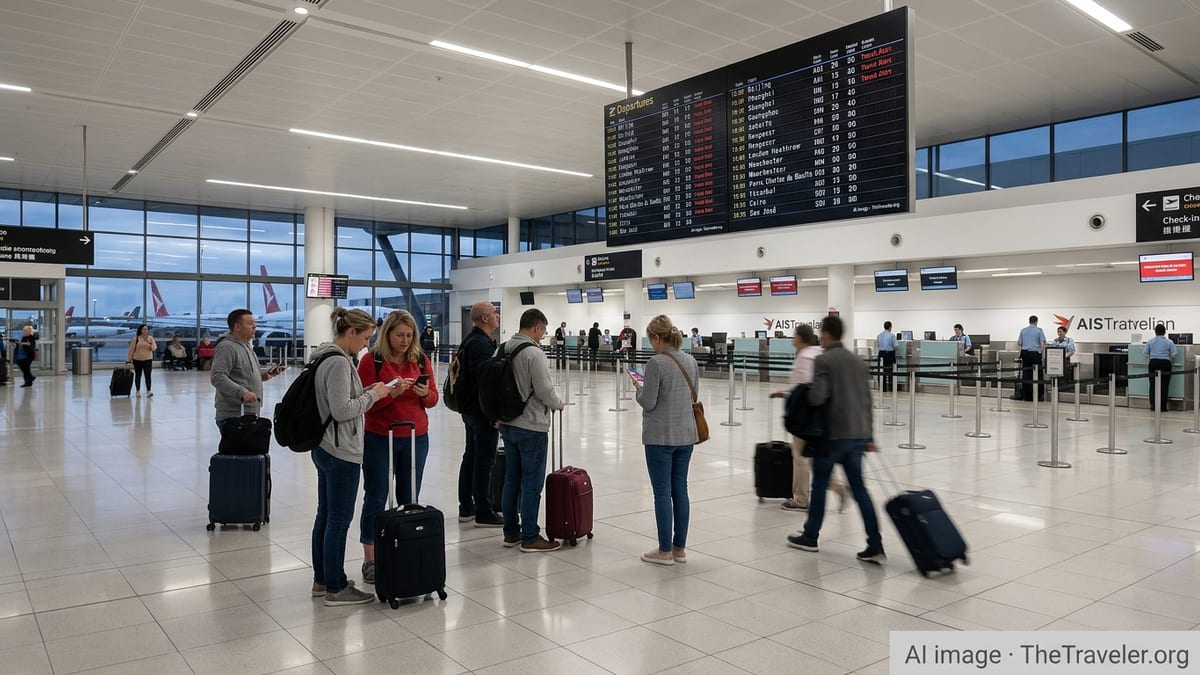
Fresh advisories flag rising risk in major vacation markets
New and updated government travel advisories issued in recent weeks point to increased risks for tourists in destinations that have long been mainstays of international vacations. Publicly available information from the United States and other governments describes patterns of violent crime, including homicide, kidnapping, armed robbery and sexual assault, in or near areas popular with foreign visitors.
The latest advisory for the Philippines, updated on September 1, 2026, urges travelers to exercise increased caution nationwide due to crime, terrorism, unrest and kidnapping, and notes that incidents affecting foreigners include robberies, kidnappings, assaults and homicides. Some regions in the south are singled out as areas where the risk of kidnapping and other serious crimes is considered high enough that travel is strongly discouraged.
Mexico, another top leisure market for North American and European travelers, remains under a Level 2 advisory that highlights terrorism, crime and kidnapping. Official guidance underscores that violent crime, including homicide, kidnapping, carjacking, sexual assault and robbery, can occur in popular tourist destinations as well as less visited regions, prompting calls for visitors to remain alert even inside resort corridors and nightlife areas.
Brazil and Colombia, both experiencing strong tourism rebounds, are also cited in current advisories and safety notices that reference kidnapping, armed robbery and targeted crimes near international borders and in certain urban districts. Travelers are urged to be cautious around ATMs, in entertainment districts and when moving between airports, hotels and beaches, particularly at night.
Drink-spiking robberies emerge as a persistent threat
Beyond headline-grabbing incidents of kidnapping or homicide, multiple national advisories now stress the danger of drink spiking in bars, clubs and informal social settings. General crime-prevention guidance from the U.S. government warns that criminals sometimes drug drinks to assault or rob travelers, referencing substances such as Rohypnol, ketamine and scopolamine, which can quickly incapacitate victims and impair memory.
Recent advisories issued by governments including Canada and Australia for destinations such as the Philippines, Thailand, Colombia and Portugal warn of spiked food and drinks used to facilitate robbery or sexual assault. These notices describe cases where tourists accepted snacks, beverages, gum or cigarettes from new acquaintances, only to later experience rapid disorientation and memory loss before discovering money, phones and other valuables missing.
Travel guidance for Colombia, for example, points to the use of scopolamine and similar drugs administered through drinks, cigarettes, chewing gum or even paper handouts, with some victims later reporting serious medical complications after being robbed. In Southeast Asia, advisories for Thailand caution that robberies and assaults, including sexual assaults, have occurred in nightlife environments where spiked drinks were suspected.
Consular information pages and safety briefings consistently recommend that visitors never leave drinks unattended, avoid accepting open beverages from strangers, observe drinks while they are prepared and remain attentive to sudden onset of unusual symptoms that feel different from typical alcohol intoxication.
Kidnapping risk concentrates in specific regions
While most trips to major vacation hotspots still conclude without serious incident, recent advisory changes highlight that kidnapping risk in some regions is significant enough to affect travel planning. The updated U.S. advisory for the Philippines flags kidnapping as a key risk indicator, citing repeated incidents in parts of Mindanao and the Sulu Archipelago where armed groups have previously targeted both locals and foreigners.
Current U.S. and other government travel advisory summaries show kidnapping or hostage taking as a formal risk factor in several countries, particularly in parts of Latin America, the Middle East and Africa. Official risk indicators used by the United States categorize kidnapping separately from general crime and terrorism, underscoring how abductions can be linked to criminal extortion, insurgent activity or other forms of organized violence.
In Mexico and Brazil, travelers are advised to exercise heightened caution on certain highways and in some border regions due to carjackings, express kidnappings and roadside robberies. In Colombia, security advice urges visitors to reconsider travel in some departments where criminal groups retain the capability to stage kidnappings alongside other violent activities.
Analysts note that while these risks tend to be concentrated geographically, they can still intersect with tourism when visitors venture beyond standard resort zones or undertake overland travel at night, sometimes without realizing they have entered higher-risk areas.
Popular resorts grapple with violent crime headlines
Alongside formal government advisories, media and industry reporting in 2025 and 2026 has documented violent incidents in or near well-known resort strips that cater to international tourists. Coverage of Mexico’s Caribbean coast, including the hotel zone of Cancún, has highlighted cases of murders linked to organized crime and incidents where tourists or hospitality workers were caught in the crossfire, contributing to a perception of rising insecurity even as overall visitor numbers remain strong.
Travel reporting on Caribbean and Latin American destinations notes that foreign governments have periodically updated their guidance for resort areas when violent incidents occur close to hotels or popular beaches. In some instances, local properties have issued their own guest advisories urging visitors to use vetted transportation services, avoid certain streets after dark or stay within well-lit zones monitored by private security.
Tourism data and analysis suggest that crime patterns can fluctuate seasonally, with some destinations seeing spikes in robberies, assaults and fraud during peak holiday periods when visitor numbers surge. Financial sector research has also identified increases in travel-related fraud around major vacation seasons, reflecting a broader environment in which tourists may be viewed as attractive targets for both physical and online crimes.
Despite these concerns, many advisories emphasize that millions of travelers continue to visit affected countries every year without serious problems, but that informed planning and adherence to basic safety measures significantly reduce the likelihood of becoming a victim.
Officials urge practical precautions, not panic
Across the various advisories and safety bulletins, a common message emerges: travelers are encouraged to adjust their behavior to the local risk environment rather than cancel trips outright. Public guidance repeatedly advises booking reputable accommodations in advance, using registered or app-based transportation providers where possible, and avoiding isolated beaches or poorly lit streets at night, even within otherwise busy resort zones.
Security advice from multiple governments stresses that visitors should closely monitor official travel advisory pages before and during a trip, pay attention to local news, and sign up for alert services where available. Travelers are also encouraged to safeguard passports and valuables, limit the number of bank and credit cards they carry on a typical outing, and leave high-value items such as expensive jewelry in secure hotel storage.
On the nightlife front, authorities and consular services advise that groups designate a sober or low-drinking companion, check in with friends regularly and seek immediate medical assistance if anyone displays sudden confusion, severe drowsiness or memory gaps after consuming food or drinks. Guidance also emphasizes the importance of reporting suspected drink spiking or violent crime to local law enforcement and, where appropriate, contacting the nearest embassy or consulate for support.
For now, tourism to many of the highlighted destinations continues to recover strongly, but the latest advisories and reports make clear that travelers should weigh the specific risks in each region, adapt their plans accordingly and remain vigilant, particularly where recent alerts reference murder, kidnapping and drink-spiking robberies linked to nightlife and resort districts.
Philippines Travel Advisory – U.S. Department of State
Mexico Travel Advisory – U.S. Department of State
Colombia Travel Advice – Australian Smartraveller
Philippines Travel Advice – Government of Canada
Global Travel Advisories Overview – U.S. Department of State