


More news on this day
Travelers heading to a popular South American vacation destination are being urged to reassess their safety plans after a new U.S. advisory highlighted risks of murder, kidnappings and drink-spiking robberies in urban areas frequented by visitors.
Get the latest news straight to your inbox!
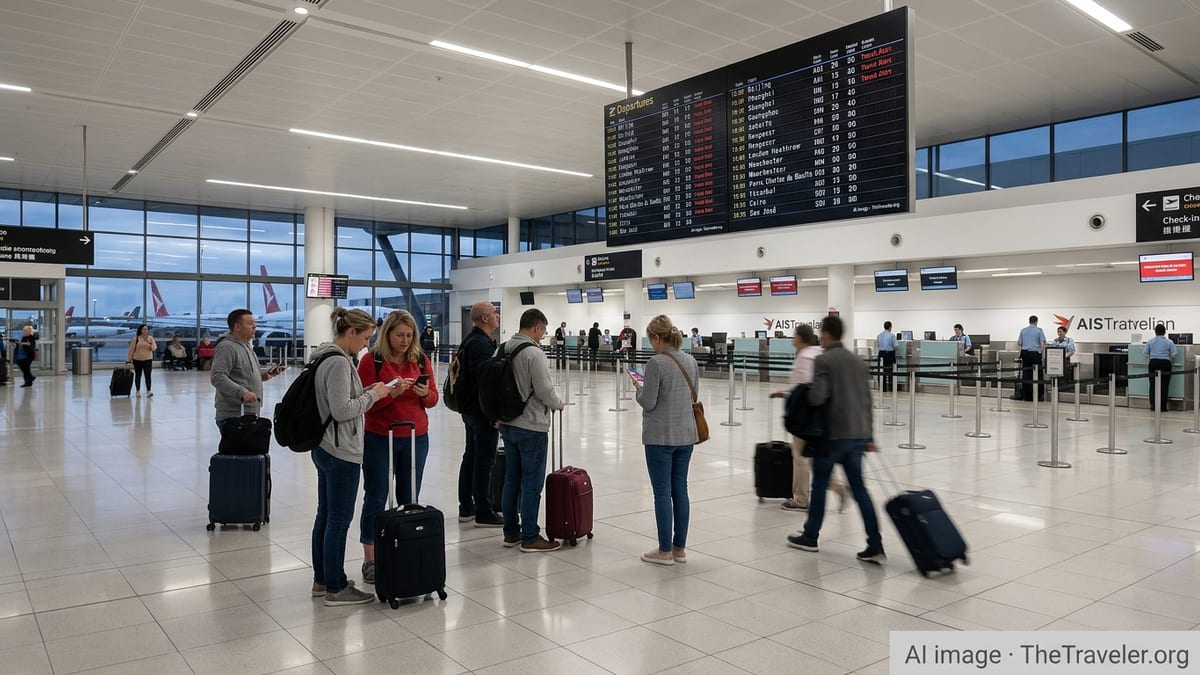
Fresh warning highlights violent crime risks
Recent coverage of a U.S. State Department advisory indicates that violent crime remains a concern in at least one South American vacation hot spot, with the notice drawing particular attention to incidents of murder, kidnappings and robberies that can occur at any time in major cities and resort gateways.
The summarized advisory, reported this week, notes that crime is not confined to outlying neighborhoods and can affect visitors in business districts, nightlife corridors and other areas that attract large numbers of foreign tourists. According to media reports, the updated language is intended to make travelers more aware of how quickly routine outings can escalate into dangerous encounters when basic precautions are not followed.
While the advisory does not suggest avoiding travel altogether, it places the destination in a category that calls for increased caution due to crime and kidnapping risks. That level is similar to guidance applied to several other high-profile tourist markets where homicides, armed robberies and abductions have been documented in recent years.
Security analysts interviewed in previously published reports have pointed out that the latest notice comes as global tourism rebounds and more travelers return to large cities and coastal resorts that experienced both economic hardship and shifts in criminal activity patterns during and after the pandemic.
Drink-spiking and robbery tactics in nightlife districts
The newly highlighted risk of drink-spiking robberies reflects a pattern that has been reported in several tourist-heavy destinations, where criminals reportedly use sedatives or other substances to incapacitate visitors before stealing valuables.
The advisory language closely mirrors warnings seen in other countries, such as Indonesia, where official guidance flags incidents of drink spiking and poisoning in clubs and night spots in Bali and nearby islands, and urges tourists never to leave drinks unattended, accept beverages from strangers or lose sight of how drinks are prepared.
In Mexico, recent messages to U.S. citizens ahead of spring break have also underscored the danger of spiked drinks in resort areas, advising travelers to monitor their alcohol consumption, avoid leaving beverages on tables while dancing or socializing, and seek medical help immediately if they feel suddenly disoriented or unusually intoxicated.
Similar concerns have been raised in Brazil, where reports have described a scam in which visitors are allegedly targeted through dating apps or in nightlife zones, then provided drugged drinks in private settings so that thieves can strip hotel rooms and apartments of valuables. Security commentary notes that while some cases are motivated by robbery, drugging incidents can escalate into kidnapping, assault or even homicide.
Kidnappings and homicides remain part of the risk picture
The South American warning places particular emphasis on the risk of kidnapping, a crime that continues to appear in travel advisories for a number of countries and regions. The U.S. State Department’s own risk indicators mark kidnapping and hostage-taking as distinct categories, recognizing that abductions may target both residents and foreign visitors.
In Mexico, for example, the current nationwide advisory cites homicide, kidnapping, carjacking and robbery as continuing threats in parts of the country, and urges travelers to review state-by-state guidance before choosing routes or resorts. Embassy messages over the past two spring break seasons have stressed that crime, including violent crime, can occur anywhere, including popular beach destinations.
Recent updates for the Philippines similarly describe robberies, kidnappings, physical assaults and homicides as part of the overall security landscape, with specific no-travel recommendations for certain cities in Mindanao due to elevated risks of crime, terrorism and abduction. Canadian travel advice for the Philippines has also recorded cases where solo tourists were allegedly drugged and robbed after accepting invitations to visit local attractions.
Outside the Americas and Southeast Asia, travel risk bulletins and security assessments compiled over the past two years have tracked incidents ranging from kidnappings near resort corridors to high-profile murder cases involving tourists or foreign residents. Analysts say that while such episodes remain relatively rare compared with the total volume of international arrivals, they can reshape perceptions of a destination and trigger rapid changes in government advice.
How travelers are urged to respond
The latest warning does not recommend avoiding travel to the affected vacation destination altogether, but it underscores that visitors need to adapt their behavior to evolving risk conditions. Publicly available guidance from U.S. and Canadian authorities stresses measures such as keeping a low profile, avoiding displays of wealth, arranging airport transfers through reputable providers and using registered taxis or ride-hailing services rather than unmarked vehicles.
For nightlife, safety recommendations across multiple advisories focus on simple but strict rules: stay with trusted companions, arrange meeting points if groups separate, and leave venues together rather than alone late at night. Travelers are also encouraged to pre-plan routes back to their accommodation, keep hotel staff informed of expected return times when possible, and avoid walking through poorly lit or unfamiliar neighborhoods.
Health and insurance guidance has become more explicit as well. Embassies in countries with higher crime rates increasingly advise visitors to carry travel insurance that includes emergency medical care and, where appropriate, medical evacuation coverage. In locations where emergency response can be delayed, travelers are urged to research nearby hospitals and clinics in advance and program local emergency numbers into their phones.
Enrollment in consular notification systems, which provide security updates by email or mobile alert, is also widely promoted. Such services can quickly flag changes in local situations, from sudden spikes in violent crime to civil unrest that might affect airport access or major tourist corridors.
Balancing demand for travel with practical precautions
Despite the concerns highlighted in the latest advisory, tourism demand for many of the destinations mentioned in recent crime and safety reports remains strong. Industry data and travel booking trends show that travelers continue to seek out coastal resorts and vibrant cities, even in countries where homicide and kidnapping figures are significantly higher than global averages.
Specialists in risk and security note that this tension between strong demand and elevated risk is reshaping how both travelers and tour operators plan trips. Some agencies now emphasize pre-trip safety briefings, share links to official advisories and encourage clients to think carefully about nightlife habits, transportation choices and the neighborhoods where they choose to stay.
Publicly available reports also point out that crime patterns within a country are often highly localized. Even where national advisories reference murder, kidnapping and drink-spiking robberies, some districts and resort areas have significantly lower incident rates than others, which can influence how travel companies design itineraries and how experienced visitors plan repeat trips.
For individual travelers, the emerging consensus across advisories is straightforward: understand the specific risks described for each destination, calibrate activities accordingly, and remain alert in situations that combine alcohol, nightlife and unfamiliar surroundings. The latest warning about murder, kidnappings and drink-spiking robberies in a vacation hot spot is the most recent reminder that personal vigilance remains a critical part of any trip checklist.
https://travel.state.gov/en/international-travel/travel-advisories/mexico.html
https://travel.state.gov/en/international-travel/travel-advisories/indonesia.html
https://travel.state.gov/en/international-travel/travel-advisories/philippines.html