


More news on this day
A recent collision between a freight train and a commercial truck, in which the truck driver escaped injury, has renewed attention on rail-grade crossing safety and the broader impact such crashes can have on passenger travel and local mobility.
Get the latest news straight to your inbox!
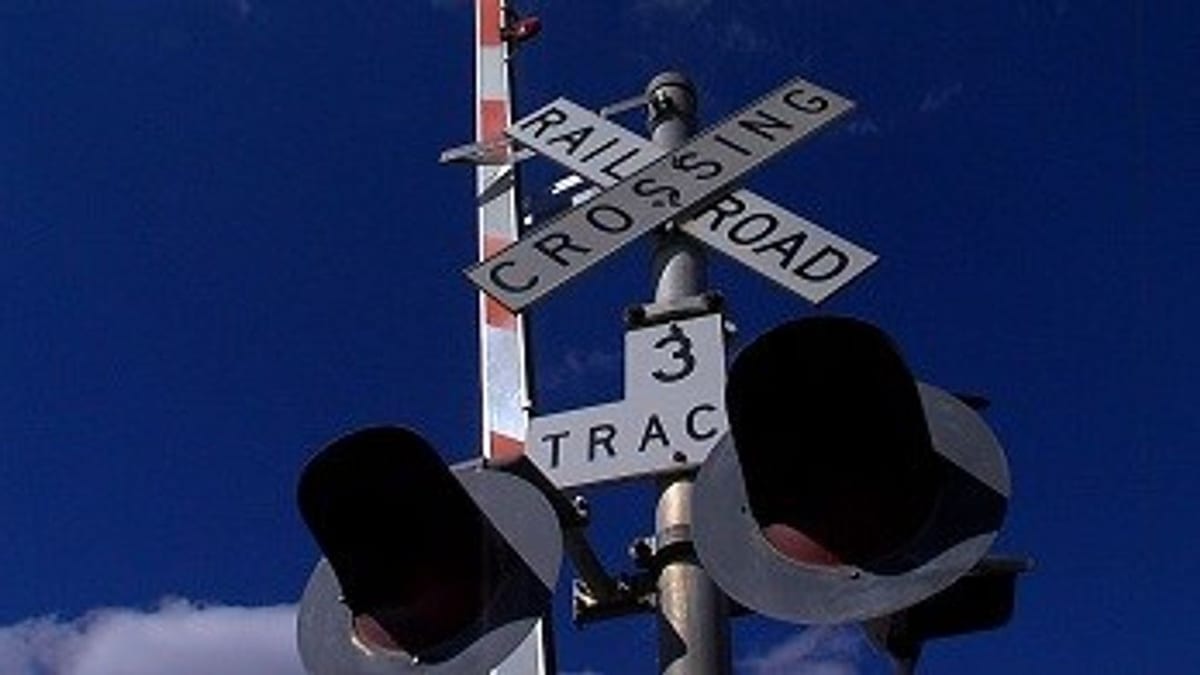
Collision Leaves Driver Unharmed but Travel Disrupted
Initial reports indicate that the truck was struck as it crossed the tracks, with the impact damaging the trailer and forcing rail operators to halt service while crews inspected the line and cleared debris. The truck driver was evaluated and found to be unharmed, a relatively rare outcome in incidents involving heavy road vehicles and moving trains.
The crash led to temporary suspension or rerouting of trains in the area, affecting commuters and leisure travelers who rely on regional rail connections. Replacement bus services and detours were put into place, but passengers still faced extended journey times and crowded conditions as operators worked to restore normal schedules.
Publicly available information from similar recent incidents shows that even when there are no serious injuries, the operational disruption can be extensive. Schedules are often reset for the rest of the day, equipment may require inspection or repairs, and crews can time out on their working hours, creating knock-on delays well beyond the crash site.
For travelers passing through the affected corridor, the collision became an unexpected reminder of how closely rail reliability is tied to what happens at hundreds of level crossings along the network.
Rail Grade Crossings Under Renewed Scrutiny
The latest crash in which a truck driver walked away physically unhurt adds to a growing collection of grade-crossing incidents reported across North America and Europe in recent months. In several of those cases, including collisions in Texas, Colorado and Ontario, publicly available coverage notes that truck drivers or motorists survived with little or no injury, while rail services were heavily disrupted.
Investigative summaries and transportation safety data consistently identify a mix of factors in such events, including drivers attempting to cross after warning signals activate, misjudging train speed and distance, or becoming stuck on the tracks with low-clearance trailers. In some urban locations, congestion and complex intersections near stations add further risk, particularly where drivers unfamiliar with the area encounter multiple signals in quick succession.
Safety advocates point out that the physics of a train-truck collision tend to favor those inside the truck cab more than passengers seated in rail cars, where sudden decelerations and derailments can cause falls, flying debris and secondary impacts. As a result, even when a truck driver is reported to be “OK,” the same crash may leave passengers shaken, infrastructure damaged and timetables in disarray.
These patterns have prompted renewed debates over whether the current mix of flashing lights, gates and signage is sufficient at busy crossings that serve both local freight and passenger rail traffic, especially where commercial trucking routes cross mainline tracks used by long-distance trains.
Implications for Rail Passengers and Local Communities
For travelers, the most immediate consequence of any truck-train collision is disruption. Delays of several hours are common while track integrity, signaling equipment and rolling stock are inspected. In some recent cases, regional rail providers have shifted to bus bridges around the incident site, extending trips and complicating connections to airports and long-distance services.
Communities along impacted corridors also feel the ripple effects. When rail lines are shut down, level crossings can remain closed for extended periods, creating traffic backlogs and complicating access for local residents and businesses. Freight movements may be held, affecting supply chains for everything from consumer goods to construction materials.
Tourism-dependent areas can see a short-term dip in visitor numbers if a prominent rail route is interrupted, particularly on weekends or holiday periods when many travelers rely on trains to avoid road congestion. Hotels, attractions and tour operators may face last-minute cancellations or late arrivals, even though the incident itself occurs far from the final destination.
Although the truck driver in the latest collision emerged unscathed, the combination of service interruptions, infrastructure inspections and public concern illustrates how a single moment at a crossing can reshape travel plans across a wide area.
Safety Measures and Technology Shaping the Future
Transportation agencies and rail operators are increasingly looking to technology to reduce the likelihood and severity of train-truck collisions. Current initiatives, as outlined in publicly available policy and safety documents, range from upgrading crossings with improved lighting and clearer road markings to experimenting with in-vehicle alerts that can warn commercial drivers of an approaching train.
In some regions, programs prioritize eliminating level crossings altogether by replacing them with overpasses or underpasses, particularly on routes carrying frequent passenger trains. These projects are costly and logistically complex, but they remove the possibility of direct conflict between road traffic and rail operations in high-risk locations.
For trucking companies, training and route planning also play a role. Industry guidance encourages drivers to avoid stopping on tracks, to use designated heavy-vehicle routes where available, and to treat active warning devices as absolute stop signals rather than invitations to “beat the train.” Dash cameras and telematics are increasingly used to analyze driver behavior near crossings, supporting both accountability and education.
Travelers, too, are becoming more aware of the risks around rail corridors. Public information campaigns stress that any vehicle on the tracks when a train approaches is in a vulnerable position, regardless of how familiar the crossing feels or how light the road traffic may appear.
What Travelers Should Know When Rail Lines Are Hit
When a collision occurs and a rail line is temporarily shut, passengers typically face a mix of delays, partial cancellations and alternative transport arrangements. Travelers are often advised to monitor operator alerts, allow extra time for transfers and consider flexible tickets that can be used on later departures if disruptions persist.
Trip planners also recommend having a backup route in mind, particularly for journeys that connect to flights or cruise departures. In regions with dense transportation networks, that may mean switching to other rail lines or intercity buses. In more rural areas, options can be limited, making it even more important to build in time buffers for critical connections.
The recent collision in which the truck driver was reported to be OK serves as a reminder that safety outcomes for individuals can differ sharply from the operational impact on the broader system. Even when those directly involved avoid serious harm, the incident can shape the travel experience of hundreds of people who never see the crash scene.
For both road users and passengers, continued attention to safety at rail crossings, combined with awareness of how disruptions unfold, remains central to keeping journeys as smooth and predictable as possible.