


More news on this day
A newly announced plan by President Donald Trump to back construction of a coal export terminal on Oakland’s waterfront is sharpening debate over how heavy industry, global trade and tourism can coexist in one of Northern California’s most visited urban gateways.
Get the latest news straight to your inbox!
Emergency Energy Strategy Reaches the Bay Area
According to recent coverage of federal energy policy, the Oakland project appears tied to a wider national push to expand coal shipments abroad as part of an emergency effort to secure power supplies and support domestic mining regions. Publicly available information indicates that the terminal is framed as a way to relieve bottlenecks at existing Western coal ports while creating a new export outlet on the U.S. Pacific coast.
Reports circulating in national and regional outlets describe the facility as a multimillion dollar investment directed to a long contested site on the city’s working waterfront. The project is being discussed alongside broader federal moves to accelerate fossil fuel infrastructure, including pipelines and gas export facilities, in response to higher energy prices and surging demand from data centers and heavy industry.
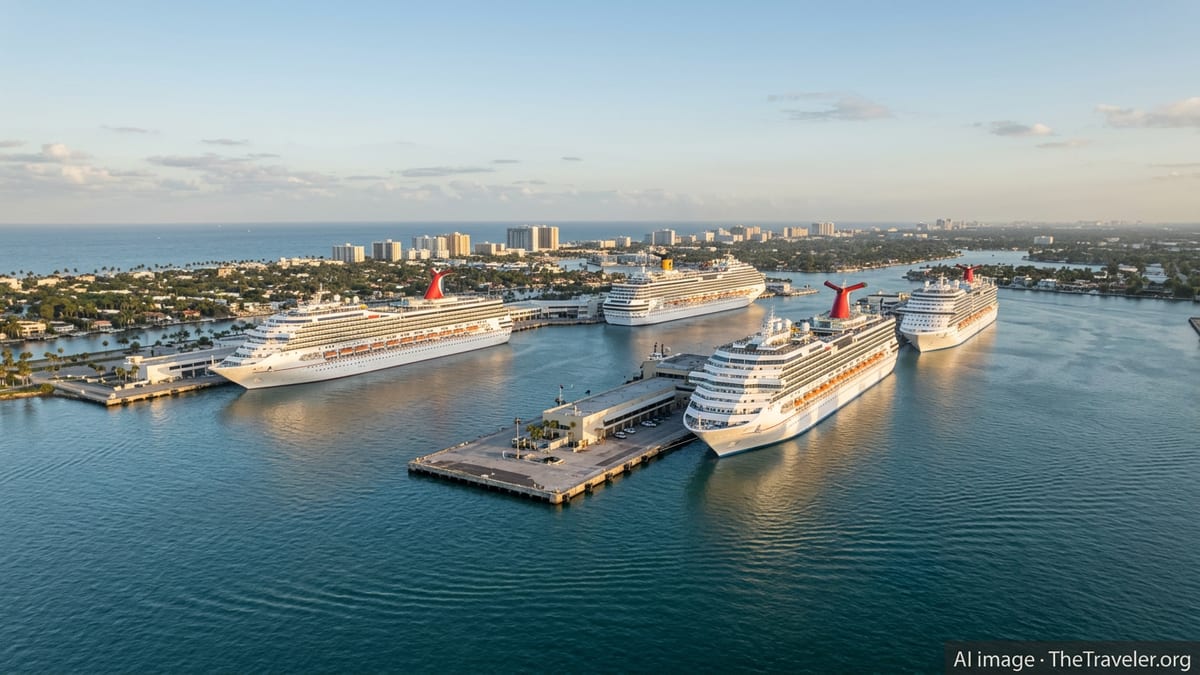
In Oakland’s case, the proposed coal terminal would share shoreline with one of California’s busiest container ports, a major cruise and ferry hub, and popular waterfront districts that draw visitors from across the Bay Area and beyond. That combination is turning a local land-use fight into a national story about how tourism cities manage the return of coal to global trade routes.
Long Contested Waterfront, New Political Backing
The idea of a coal terminal in Oakland is not new. Public records show that developers have pursued a bulk export facility at the former army base site for more than a decade, running into city efforts to restrict coal handling on health and environmental grounds. Court filings and advocacy documents from that period describe West Oakland as an area already burdened by diesel truck traffic, rail yards and industrial pollution.
What is new is the level of federal attention. Recent reporting on the Trump administration’s energy initiatives indicates that the White House is now treating the Oakland coal project as a symbolic and strategic priority, positioning it as a showcase for reviving coal exports and challenging coastal states that have tried to limit fossil fuel infrastructure. The announcement that federal support would be directed to Oakland has quickly moved the project from a regional dispute into a high profile test of federal and local power.
For travelers, the political dimension matters because it could shape how the waterfront evolves over the next decade. The same rail corridors that would move coal to the terminal run beside popular urban cycling routes and cross key access roads to Jack London Square, the city’s best known leisure waterfront. Any change in traffic patterns will influence how visitors experience the city’s emerging food, arts and hotel scene along the harbor.
Tourism Image at Odds With Coal Cargoes
Oakland has spent years repositioning itself as a cultural and culinary destination in the Bay Area, with new hotels, upgraded ferry services and festivals that spill out along the estuary. Travel industry promotions highlight murals, historic warehouses converted to restaurants and views across the bay to San Francisco. Against that backdrop, the image of mile long coal trains and stockpiles of black fuel is generating concern among local businesses that depend on visitors.
Published commentary in regional media and community forums reflects worries that coal handling could clash with efforts to market Oakland as a green and creative city. Travel planners increasingly factor in a destination’s environmental policies and air quality record when recommending urban getaways, especially for family and educational trips. A high profile coal terminal has the potential to complicate that narrative at the very moment Oakland is emerging more prominently on California itineraries.
At the same time, some voices in business circles describe the project as part of the city’s long standing role as a gateway for global trade. Port data and logistics reports emphasize that bulk exports, including commodities such as grain and minerals, remain an important part of West Coast shipping. Supporters argue that, properly regulated, a coal terminal could slot into that mix while generating jobs and tax revenue that help fund public amenities relied on by residents and visitors alike.
Rail, Neighborhoods and Traveler Experience
The coal terminal proposal is tightly linked to rail infrastructure that already threads through Oakland’s urban fabric. Freight lines serving the port run close to West Oakland homes and pass through areas often used by visitors, including the Amtrak station near Jack London Square and underpasses that connect downtown to the waterfront. Travel guides frequently encourage tourists to use these rail corridors for scenic rides and regional day trips.
Publicly available planning documents and environmental analyses produced during earlier iterations of the project flagged potential increases in train traffic, noise and particulate pollution if coal exports ramp up. Community groups and health advocates have long argued that these impacts would fall disproportionately on neighborhoods with higher rates of asthma and lower income residents, raising equity questions that resonate well beyond local politics.
For travelers, the practical implications could include more frequent train movements at grade crossings, longer waits at intersections near hotels and attractions, and a changing visual landscape along the tracks. Depending on how the terminal is designed and operated, visitors arriving by rail or car may see expanded industrial activity beside the same waterfront promenades that feature in tourism campaigns.
Environmental Scrutiny and Global Market Shifts
The Oakland coal terminal announcement is unfolding amid rapid changes in global energy markets. Analysts cited in national business coverage note that power shortages, disruptions in gas supplies and geopolitical tensions have led some countries to lean more heavily on coal in the short term. That has pushed up demand for U.S. exports, particularly from Western mines that can serve Asian buyers via Pacific ports.
Environmental organizations and climate researchers, however, continue to highlight the role of coal in driving greenhouse gas emissions and local air pollution. Background materials on prior lawsuits over the Oakland project emphasize concerns about coal dust, train emissions and the climate impact of shipping millions of tons of coal overseas. Those arguments are expected to resurface as the new federal backed plan moves through permitting and potential legal challenges.
For the wider travel sector, the dispute underscores how climate policy and tourism are increasingly intertwined. Many destinations, including coastal cities around the Pacific, are promoting low carbon travel and cleaner ports at the same time that global trade is pressing for expanded fossil fuel terminals. How Oakland navigates this tension could serve as a reference point for other waterfront cities balancing cruise ships, container traffic, energy exports and a growing influx of visitors.