


More news on this day
Edinburgh Airport suffered hours of disruption on Friday after a security alert prompted the evacuation of parts of the terminal, halting screening, delaying departures and triggering widespread knock-on disruption across the UK and European airline networks.
Get the latest news straight to your inbox!
Terminal Evacuated After Suspicious Item Reported
Reports from passengers and aviation tracking communities indicate that operations at Edinburgh Airport were abruptly interrupted on Friday 19 June after a suspicious item was reported inside the terminal. Publicly available updates suggest sections of the building, including the security search area, were cleared while specialist teams assessed the situation, leaving thousands of departing passengers and some staff outside the main building.
Images and first-hand accounts shared on social platforms described police cordons around the terminal and crowds assembling on access roads and forecourts while the alert was investigated. Several passengers reported being moved out shortly after checking in, while others said they were prevented from entering the building at all as the evacuation continued.
Although formal details about the nature of the security alert remained limited by Friday evening, the incident effectively paused routine security screening and restricted movement between landside and airside areas. According to publicly shared information, the alert was later stood down and the terminal gradually reopened, but not before a significant backlog of passengers and flights had built up.
Flight tracking data and passenger posts suggest that aircraft already boarded before the evacuation continued to hold at stands or on taxiways while activity in the terminal was suspended, compounding congestion once operations resumed.
Arrivals Diverted and Approaches Cancelled
Real-time aviation tracking feeds and enthusiast forums showed an immediate impact on arriving traffic into Edinburgh once the incident unfolded. Several inbound aircraft abandoned their approaches and either entered holding patterns or diverted to other UK airports while ground operations were constrained.
Passengers travelling from English regional airports reported that their flights to Edinburgh were diverted to Glasgow, with crews citing the unfolding security situation and temporary suspension of normal operations. Other services appeared to remain in airborne holding until clarity emerged over the status of the terminal and its ability to handle new arrivals.
Data shared by flight tracking users indicated a pattern of go-arounds and diversions during the height of the disruption, consistent with an airport operating at reduced capacity while ground access was limited. Even after the alert was resolved, aircraft and crews were out of position, leaving residual delays on routes in and out of Edinburgh into the evening peak.
According to travel updates, the disruption affected both domestic connections to hubs such as London and Birmingham and international services to European destinations, as airlines worked to re-sequence their schedules around displaced aircraft.
Departures Delayed, Cancellations Ripple Through Airline Schedules
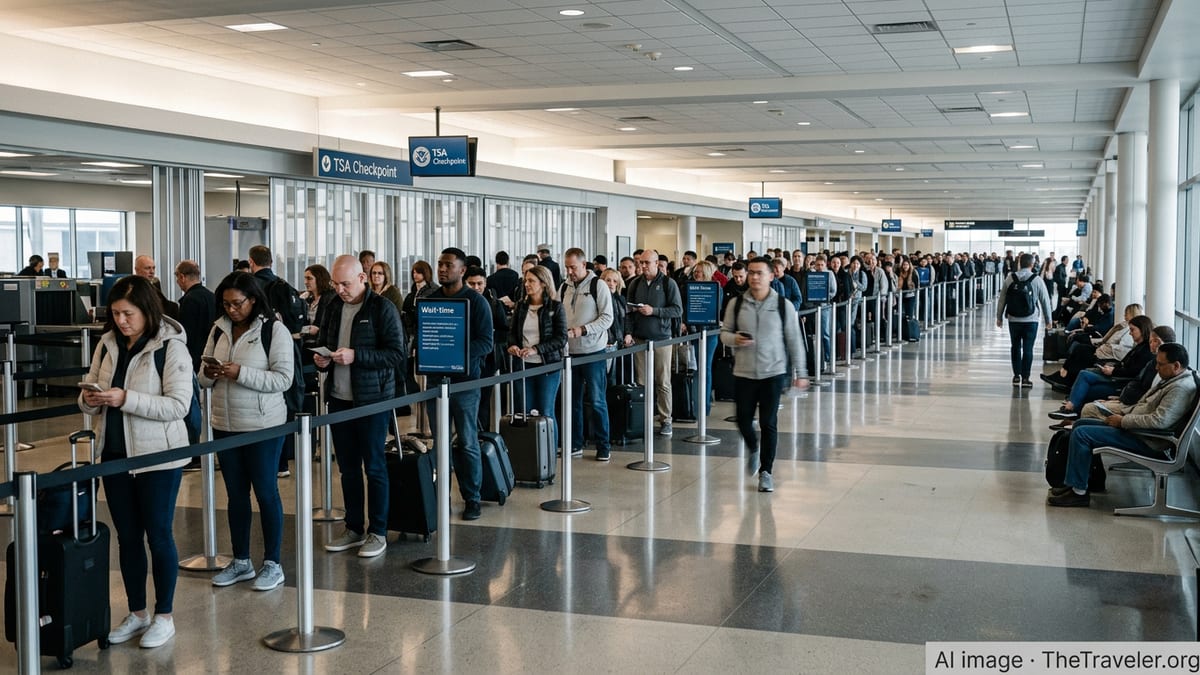
The suspension of security screening and temporary closure of parts of the terminal led to a wave of departure delays as passengers were unable to reach their gates. Travellers reported being held in long queues once screening resumed, with some missing their scheduled departures despite arriving at the airport well ahead of time.
Publicly available flight information indicated that several services from Edinburgh to major European cities, including Amsterdam and other hub airports, were delayed or subject to rolling estimated departure times. Some short-haul services were ultimately cancelled, with passengers rebooked onto later flights or advised to travel the following day.
The timing of the incident, hitting the busy Friday travel window at the start of the summer holiday build-up, magnified its impact. Airlines had limited spare capacity to absorb displaced passengers, and many travellers reported difficulties securing same-day alternatives once their original flights were disrupted.
Under widely referenced passenger rights frameworks, customers whose flights were cancelled or significantly delayed by the security incident are expected to be offered rerouting or refunds, although the precise level of compensation may vary depending on the final classification of the disruption.
Knock-On Disruption Across UK and European Networks
Because Edinburgh acts as both an origin and connecting point for a range of UK domestic and European services, the security alert quickly produced ripple effects beyond Scotland. Aircraft and crews scheduled to operate onward legs from Edinburgh were delayed or left out of position, prompting further timetable changes on routes elsewhere in the network.
Travel forums and airline updates described missed connections for passengers heading from Edinburgh via larger hubs to destinations across mainland Europe and North America. Delays on feeder flights meant some travellers arriving into airports such as Amsterdam and London had to be rebooked onto later long-haul departures, contributing to crowding at transfer desks and call centres.
Operational data available on Friday evening pointed to extended turnaround times at several regional airports that receive or send aircraft to Edinburgh, as ground teams coped with late arrivals and compressed departure windows. This, in turn, created secondary delays on flights that had no direct link to the initial security alert but were relying on aircraft cycling through the Scottish capital.
Industry analysts have previously noted that events at a single busy regional airport can quickly reverberate across airline networks, particularly on Fridays when schedules run close to full and there is limited spare capacity to recover from shocks.
Travellers Urged To Check Status and Allow Extra Time
In the immediate aftermath of the incident, airport communications and airline channels urged passengers to monitor live flight information and arrive early for check-in while operations stabilised. Publicly available guidance advised travellers with imminent departures to contact their airline before setting off, as schedules remained fluid into the night.
Passenger experiences shared online highlighted the value of regularly refreshing airline apps and departure boards, as gate changes and altered boarding times were common while the airport worked through the backlog. Some travellers reported being able to depart only a short time after the terminal reopened, while others faced multi-hour waits or overnight rebooking.
Travel commentators suggested that passengers flying over the weekend should anticipate possible residual disruption, including minor delays and swapped aircraft types, as airlines continue to reposition jets and crews that were displaced during Friday’s alert. Those with tightly timed connections were advised to consider building in longer transfer windows or consulting their carriers about alternative routings.
The incident comes during a period of strong traffic growth at Edinburgh, with recent airport reports describing record first-quarter passenger numbers and expanding transatlantic and leisure networks. The scale of Friday’s disruption is likely to prompt renewed scrutiny of contingency planning and communication practices at one of the UK’s busiest regional hubs.